
After a long flight, a delayed connection, or hours on the road, getting to your hotel can feel like a huge relief. Most people walk in, drop their bags on the bed, switch on the lights, and start unpacking.
Some frequent travelers have a different routine. Before getting comfortable, they leave the main lights off, grab a flashlight or their phone, and take a closer look around the bed.
They’re checking for signs of bed bugs before their luggage and clothing come into contact with anything suspicious. A few minutes of checking can save them from dealing with a much bigger headache later.
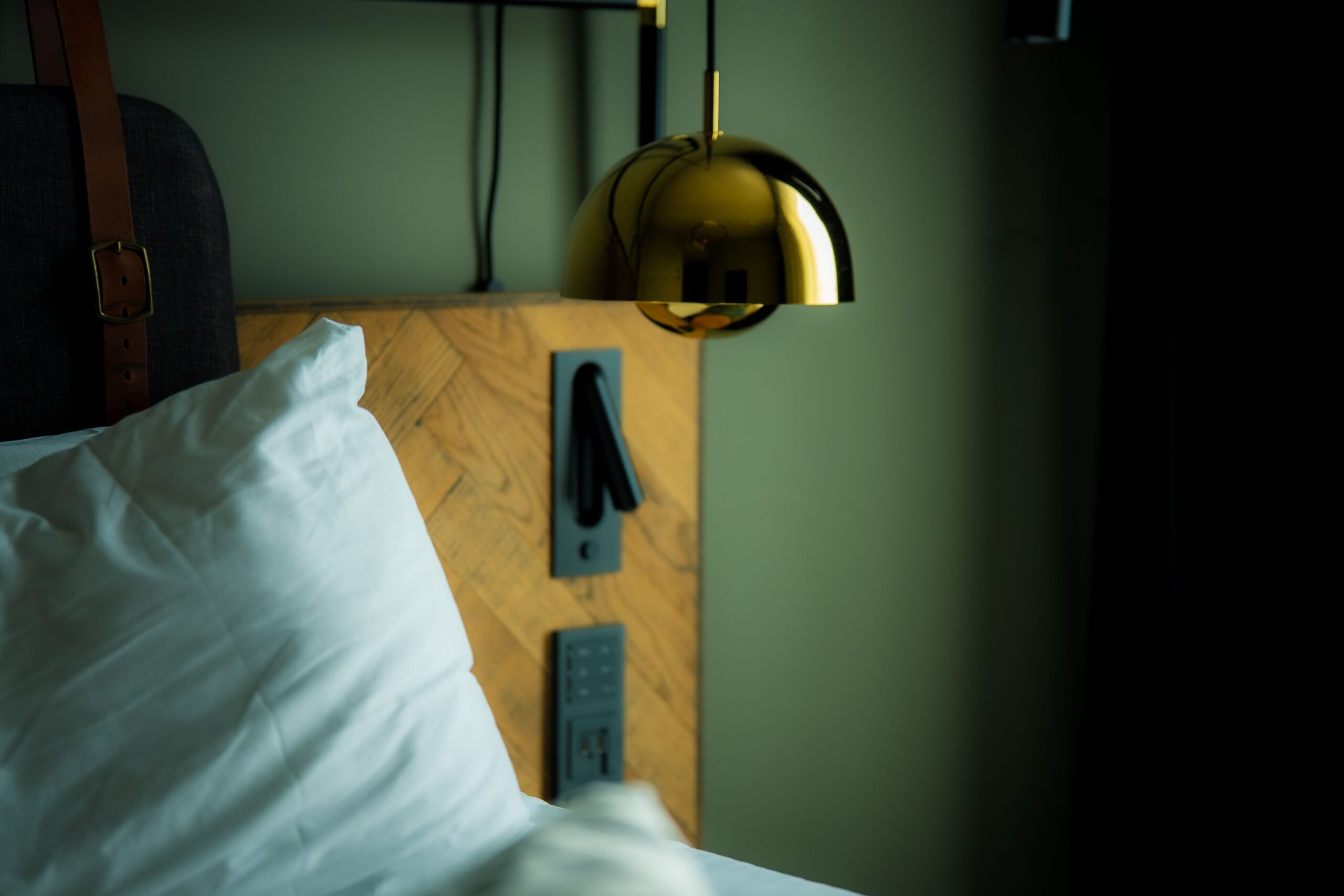
Why Some Travelers Keep the Room Dim at First
Keeping the room dark while using a flashlight might seem unusual, but it lets travelers focus on small areas that are easy to overlook. Rather than relying on the overhead lights, they can direct the beam along mattress seams, bed frames, and other places where bed bugs may hide.
The inspection doesn’t have to take long. A quick look around the sleeping area and nearby furniture can help reveal dark spots, shed skins, or insects that deserve a closer look.
Where Bed Bugs Usually Hide
Bed bugs tend to stay close to where people sleep, so the bed is a good place to start checking. They can hide in mattress seams, box springs, bed frames, headboards, upholstered furniture, and small cracks or gaps.
Look for tiny dark stains, reddish marks, shed skins, eggs, or live bugs. Finding any of these signs is a reason to stop unpacking and contact hotel staff.
Related: 5 Warning Signs You Might Have Bed Bugs in Your Bed
Don’t Put Your Luggage on the Bed Right Away
After checking into a hotel, many people toss their suitcase straight onto the bed without thinking twice. Some frequent travelers avoid doing this until they’ve had a chance to inspect the room.
If bed bugs are present, luggage placed on the bed or upholstered furniture could give them a chance to get into your belongings. Keep your suitcase closed and place it on a hard, elevated surface, such as a luggage rack, while you check the sleeping area.
Check the Headboard Too
The mattress isn’t the only place worth checking during a quick bed bug inspection. Headboards can have gaps, joints, and narrow spaces where insects may hide close to the bed.
Shine your flashlight along the edges and check behind the headboard if you can do so safely. Pay attention to the spots where it connects to the wall or bed frame.
What to Do If You Spot Something Suspicious
If you notice what looks like evidence of bed bugs, leave your belongings packed and avoid putting anything else on the bed. Take a few clear photos so you can show hotel staff exactly what you found.
Call the front desk or speak with the hotel manager and explain the situation. Ask them to inspect the room and discuss your options, which may include moving you to another room that has been checked.
A quick inspection might be the last thing you feel like doing after a tiring day of travel, but it can save you a lot of trouble. Taking a few minutes to check the bed, headboard, and nearby furniture before unpacking is a small precaution that can help you settle in with more confidence.
Other Topics You Might Like
- Forget Flying: Americans Are Hitting the Road for the Holidays— And Their Reasons Make Sense
- Before You Use Water on a Plane, Here’s What Experts Want You to Know
- Rising costs are forcing Californians to pack up and leave—Here’s where they’re going
- 13 Airbnb and Vacation Rental Scams Every Traveler Should Know About