Grocery shopping has gotten more expensive, and many shoppers are looking more closely at what goes into their carts. They’re skipping items they once bought without thinking twice and choosing cheaper options that still get the job done.
For many households, the goal isn’t to stop buying the foods they enjoy but to spend more carefully on everyday groceries. Here are 13 grocery items shoppers are cutting back on to lower their bills.
Name-Brand Cereals
Name-brand cereals can cost much more than store-brand versions, even when the ingredients are similar. Some shoppers are switching to supermarket labels, oatmeal, or homemade breakfasts to spend less on the first meal of the day.
Related: 10 Ways Grocery Stores Get You to Spend More Than Planned
Single-Serve Snacks and Drinks
Individually wrapped snacks and bottled drinks are handy for lunches and trips, but buying them one at a time can add up. Larger packages divided into reusable containers are often cheaper per serving and create less packaging waste.
Related: Groceries Cost More in These 15 States — See Where Yours Ranks
Bottled Water
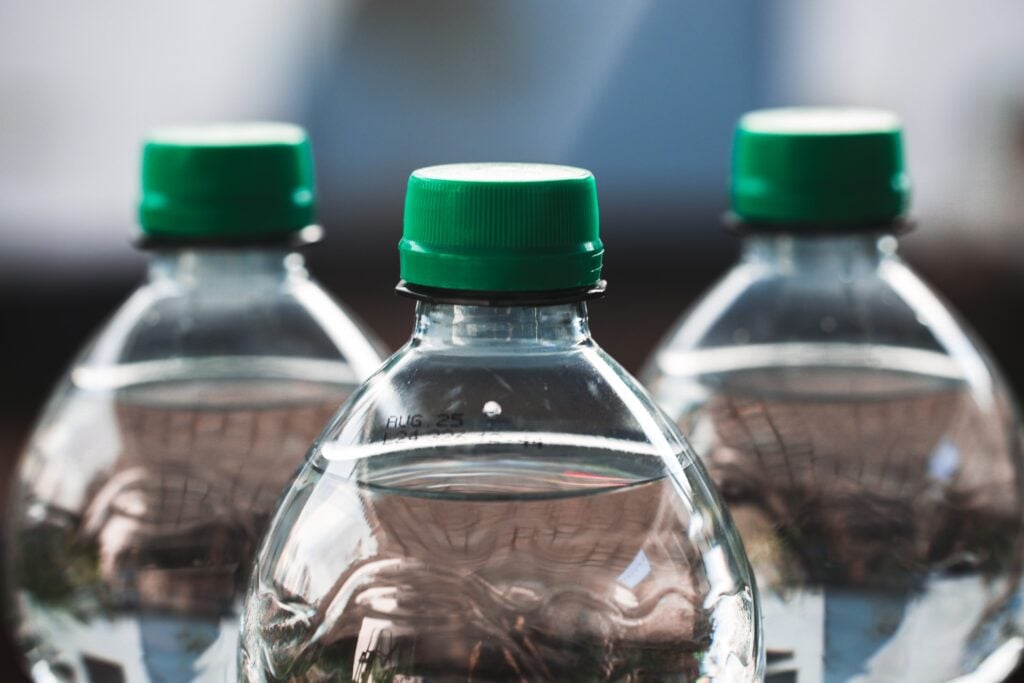
Buying cases of bottled water every week can take a noticeable bite out of a grocery budget. Many households are switching to refillable bottles and home water filters, as long as their tap water is safe to drink.
Pre-Cut Fruits and Vegetables
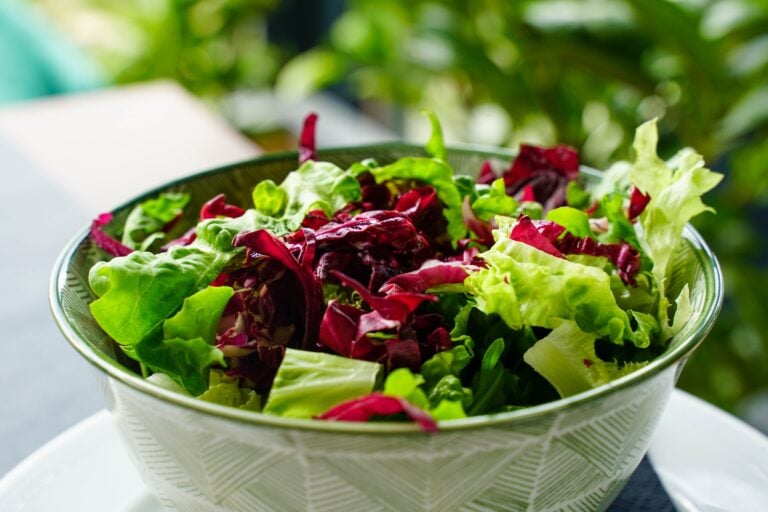
Pre-cut produce saves preparation time, but the price per pound is often much higher than buying whole fruits and vegetables. Chopping produce at home takes a little extra time and can leave more money in your pocket.
Gourmet Condiments
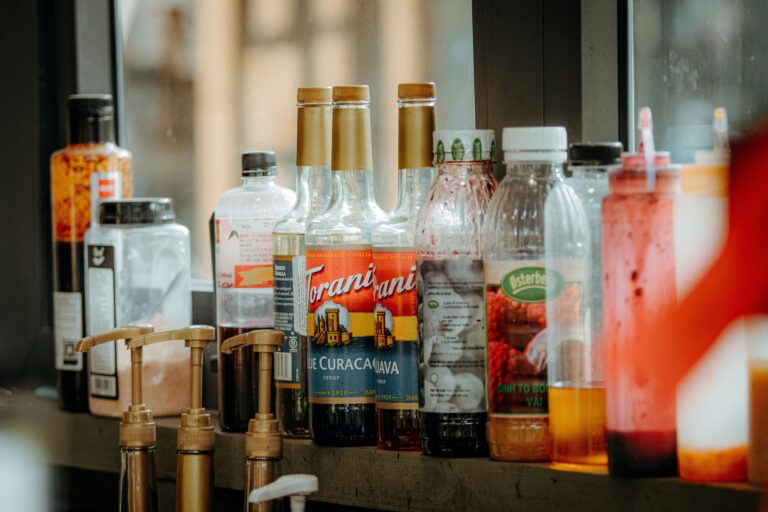
Specialty sauces, imported mustards, and unusual spreads can be tempting, but some end up sitting in the refrigerator after just one or two uses. Budget-conscious shoppers may be sticking with everyday condiments that work in several recipes instead of buying jars they’ll rarely finish.
Meal Kits and Subscription-Style Meals
Meal kits offer convenience, but the per-serving cost can be higher than buying the same ingredients at the grocery store. More households plan meals ahead, shop with a list, and cook larger batches to cover more than one dinner.
Related: 14 Things Shoppers Dread The Most About Grocery Shopping
Frozen Dinners
Frozen meals can be handy on busy evenings, but individual portions may cost more than a homemade meal. Cooking extra at dinner and freezing leftovers gives you quick meals later without paying for a separate packaged entrée.
Expensive Cuts of Meat
Premium steaks and other costly cuts of beef can quickly drive up your grocery bill. Some shoppers choose chicken thighs, ground meat, pork, beans, or lentils to make filling dinners for less.
Related: 30 Cheap Dinner Ideas To Help Stretch Your Grocery Budget
Energy Drinks
Buying energy drinks every day can become an expensive habit, especially if you drink more than one. Brewing coffee or tea at home is often cheaper than buying a can each time.
Coffee Shop-Style Drinks
Ready-to-drink coffees and specialty beverages from the refrigerated section often cost much more per serving than homemade coffee. Making iced coffee or flavored drinks at home lets shoppers control the ingredients and get more servings from a single bag of coffee.
Specialty Imported Foods
Imported cheeses, olive oils, chocolates, and spices can cost more than similar products made closer to home. Some shoppers save these purchases for special occasions and choose everyday staples they can use across several meals.
Restaurant-Style Convenience Foods
Prepared deli meals and ready-made dinners save time, but they often cost more than cooking from scratch. Some families are saving these items for particularly busy days rather than making them a regular part of their weekly grocery shop.
Trendy or Nonessential Items
Shoppers often cut specialty snacks, premium desserts, seasonal treats, and impulse buys first when their grocery budget gets tight. These treats can still make the cut, but buying them less often leaves more money for everyday staples.