An ordinary-looking dollar bill could be worth much more than its face value if it has an unusual design, a rare printing detail, or a history collectors find interesting. Some old pieces of American paper money have sold for hundreds, thousands, or even tens of thousands of dollars.
Age alone doesn’t make a bill valuable, though. Its condition, rarity, printing details, and collector demand all help determine what someone might pay.
Some of these notes once passed through banks, stores, and everyday wallets before becoming collectible pieces of American history. Here are five types of dollar bills worth looking for in old family collections, estate-sale finds, and boxes of paper money.
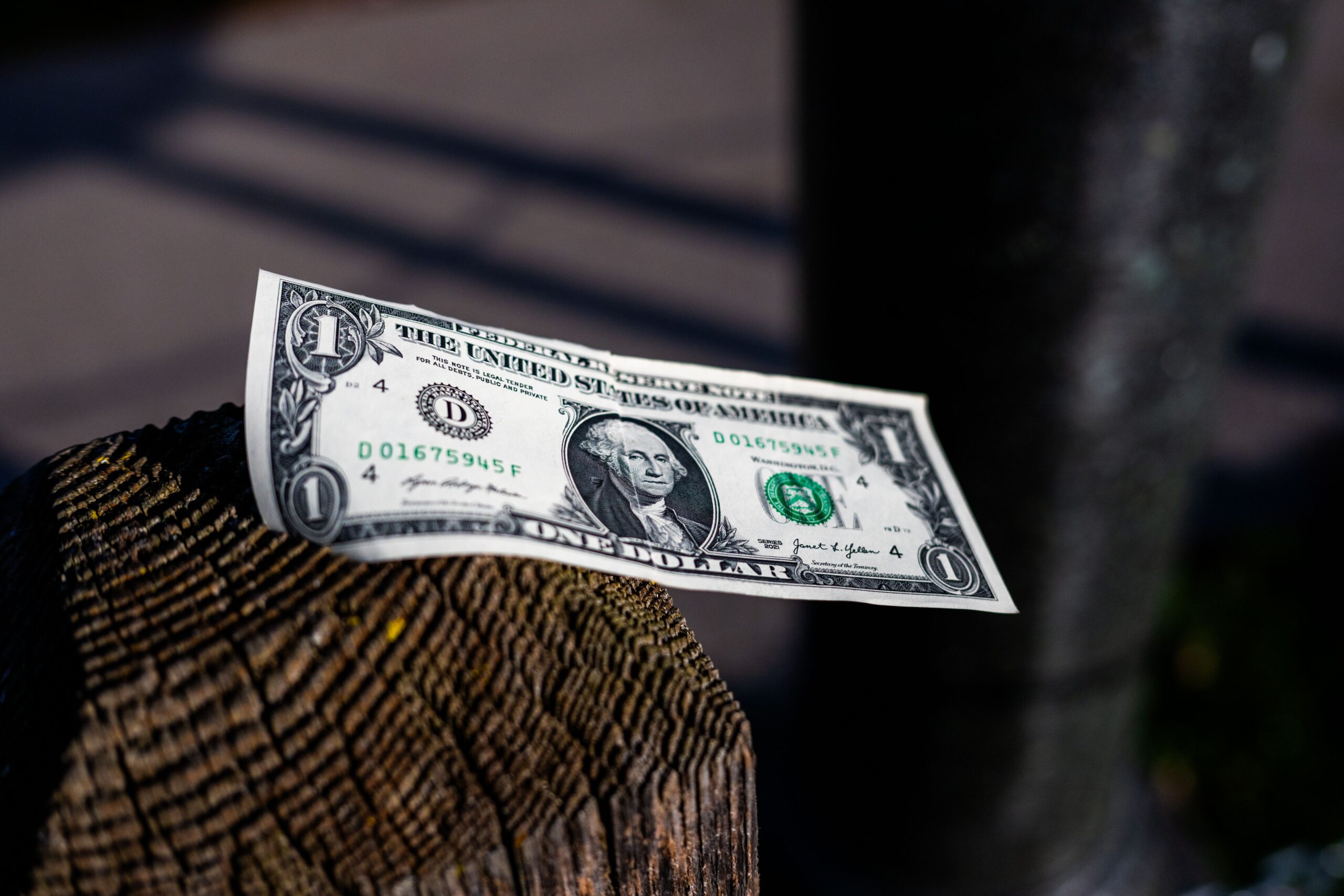
1995 $1 “Web Press” Experimental Note
During the 1990s, the Bureau of Engraving and Printing tested a web-fed printing process as a possible way to produce paper currency more efficiently. The experimental notes from this process are unusual because they weren’t part of the regular printing system used for everyday dollar bills.
Collectors have taken an interest in these notes because of their connection to the printing experiment and their limited production. If you find a suspected example in an old collection, have its identifying details checked before assuming it is valuable.
Related: 10 Rare Dollar Coins That Could Be Worth a Small Fortune
1896 $1 Silver Certificate “Educational Series”
The 1896 $1 Silver Certificate is one of the most recognizable notes in American currency collecting. Its front features the famous “History Instructing Youth” design, with detailed engraved artwork that looks quite different from the dollar bills people use today.
Its age, artwork, and relatively limited number of surviving examples make it a favorite among paper-money collectors. Notes with bright colors, clean paper, and little damage tend to attract more interest than heavily worn examples.
1935A North Africa Silver Certificate
The 1935A North Africa Silver Certificate stands out because of its distinctive yellow Treasury seal. These $1 bills were issued during World War II for use by American military personnel in North Africa.
The yellow seal had a practical purpose: the government could invalidate the notes if they fell into enemy hands. Their wartime history and unusual appearance have made them popular with collectors of American currency and military memorabilia.
1928B Funnyback Silver Certificate
The 1928B Silver Certificate is often called a “Funnyback” because of its unusual reverse design. The lettering and layout on the back differ from those on later $1 bills, making this note easy to recognize.
Its distinctive appearance has kept it popular with collectors of early small-size American currency. Condition makes a big difference, so a crisp note with clean edges and minimal folds is usually more desirable than one with heavy wear.
1918 $1 National Bank Note
National Bank Notes are interesting because they were issued through individual banks rather than using one identical design across the country. The bank’s name and location appear on the note, connecting each example to a particular institution and community.
Collectors often consider the issuing bank, location, rarity, and condition when evaluating these notes. Check the exact note type and identifying details carefully, since different kinds of $1 bills were issued in 1918 and can be confused with one another.
What Makes an Old Dollar Bill Valuable?
Finding an old dollar bill doesn’t automatically mean you’ve found something worth a lot of money. Collectors look at several details before deciding how much a particular note might be worth.
Condition is one of the biggest factors in paper-money collecting. A crisp bill with clean paper, sharp printing, and few folds can be worth much more than a heavily worn example of the same type.
Rarity also matters because some notes were printed in smaller quantities or issued through banks that produced relatively few bills. Experimental printing runs and unusual varieties can attract extra attention from collectors.
Serial numbers and printing errors can also affect a bill’s value. Repeating digits, low serial numbers, unusual patterns, and genuine printing mistakes may make certain notes more desirable.
Collector demand plays a part, too. A rare note with an interesting history or recognizable design may attract more interest than another bill of similar age.