For years, travelers have been told the same thing: airlines aren’t tracking your searches and raising prices just for you. If a flight suddenly costs more, it’s usually because someone else booked it or demand changed, not because the airline singled you out.
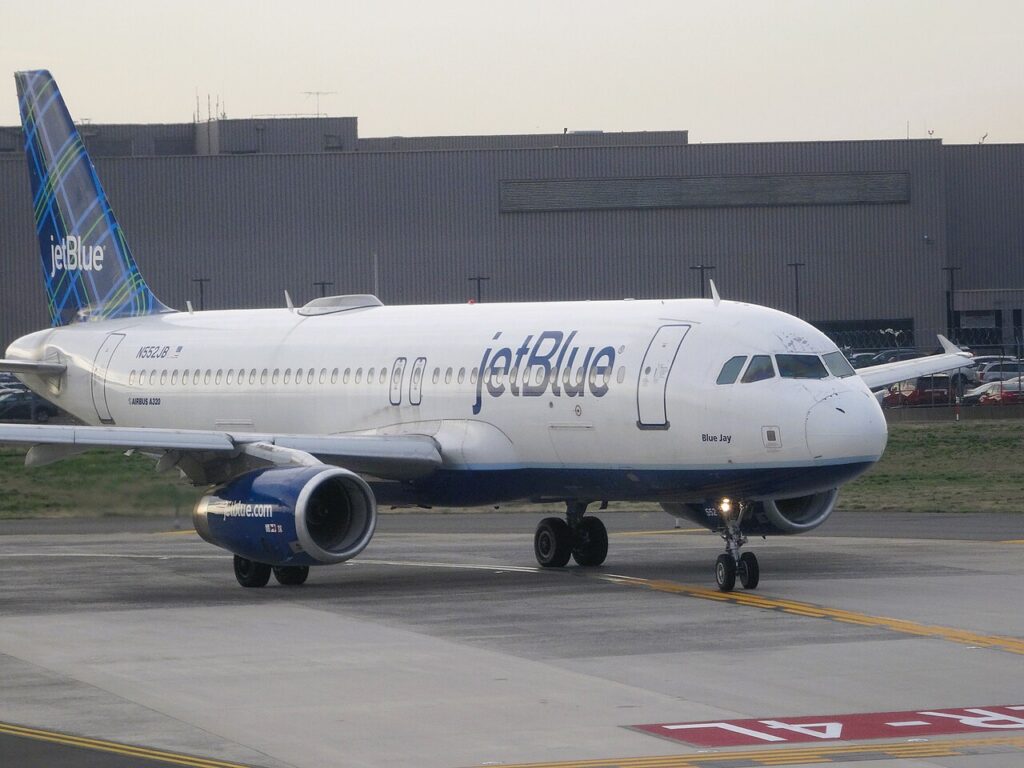
But a recent social media moment involving JetBlue has reignited that debate in a big way. After a now-viral response appeared to suggest clearing your browser data when searching for flights, many travelers took it as confirmation of what they’ve long suspected: that airlines might be watching and adjusting prices accordingly.
Why the Internet Ran With It
The idea of “surveillance pricing,” where companies use personal data to adjust prices, has been gaining traction, and this moment seemed to validate those fears.
On Reddit, reactions ranged from frustration to outright distrust. Some users argued that companies are already using advanced data to “figure out the absolute max you’re willing to pay,” while others called it “just price gouging with a new name”.
Others pointed out how widespread the belief already is. Many travelers say they’ve seen prices jump after searching multiple times, leading to long-standing “hacks” like using incognito mode, switching devices, or even checking flights from different locations.
In other words, the suspicion didn’t start with this moment; it just gave people a reason to talk about it again.
***Capital One Shopping makes it easy to save with automatic discounts and rewards at thousands of retailers. Sign up through my link, and you can get an $80 bonus—no purchase required***
What JetBlue Actually Said
After the backlash, JetBlue clarified that the social media response was incorrect. The airline stated that fares are not determined by cookies, cached data, or personal browsing history.
Instead, pricing is driven by a system that adjusts fares based on demand, availability, and timing. As seats fill up or travel dates approach, prices can change, sometimes quickly.
That explanation aligns with how airline pricing has traditionally worked. But for many travelers, it didn’t fully put the issue to rest.
Related: People Say the Worst Part of Traveling Isn’t the Trip—It’s Other People
Why Prices Still Feel Personal
Even if airlines aren’t adjusting prices based on your individual search history, the way pricing works can still feel targeted.
Airlines use what’s often called “dynamic pricing,” where ticket prices shift based on factors like how many seats are left, how quickly they’re selling, and how close you are to the departure date.
That’s different from “surveillance pricing,” which would involve changing prices based on who you are specifically. But to the average traveler, the difference isn’t always obvious, especially when prices seem to change between searches.
Some Reddit users acknowledged this distinction, noting that airline pricing systems are built around “fare buckets” and inventory rather than individual tracking. Others weren’t convinced, pointing out that modern data collection could, in theory, support more personalized pricing in the future.
***I’ve been using the Capital One Venture X, and it’s easily one of my favorite travel cards right now. If you apply through my referral link and get approved, you can earn up to 75,000 bonus miles plus travel perks like a $300 annual credit***
The Bigger Concern: Trust
The real issue may not be whether airlines are tracking your searches, but whether travelers trust them not to. Technology has enabled companies to collect more data than ever before, and many industries already use it to personalize pricing, offers, and advertising.
That’s why even a single confusing message can spark such a strong reaction. For many people, it confirms a broader concern: that companies have more insight into their behavior than they realize and may use it in ways that aren’t always clear.
The conversation highlights a growing concern about how personal data is used—and how much transparency consumers expect from companies they rely on.