Remember when you could walk into Dollar Tree, grab a handful of household essentials, and know roughly what you’d spend without checking a single price tag? Those shopping trips are a thing of the past. Today, a cart filled with Dollar Tree items can add up much faster than longtime customers might expect.
The chain moved away from its original $1 price point in 2021, raising its base price to $1.25. Since then, it has introduced more products priced at $3, $5, and even $7. The company’s latest financial results show that its multi-price strategy is becoming an established part of the business.
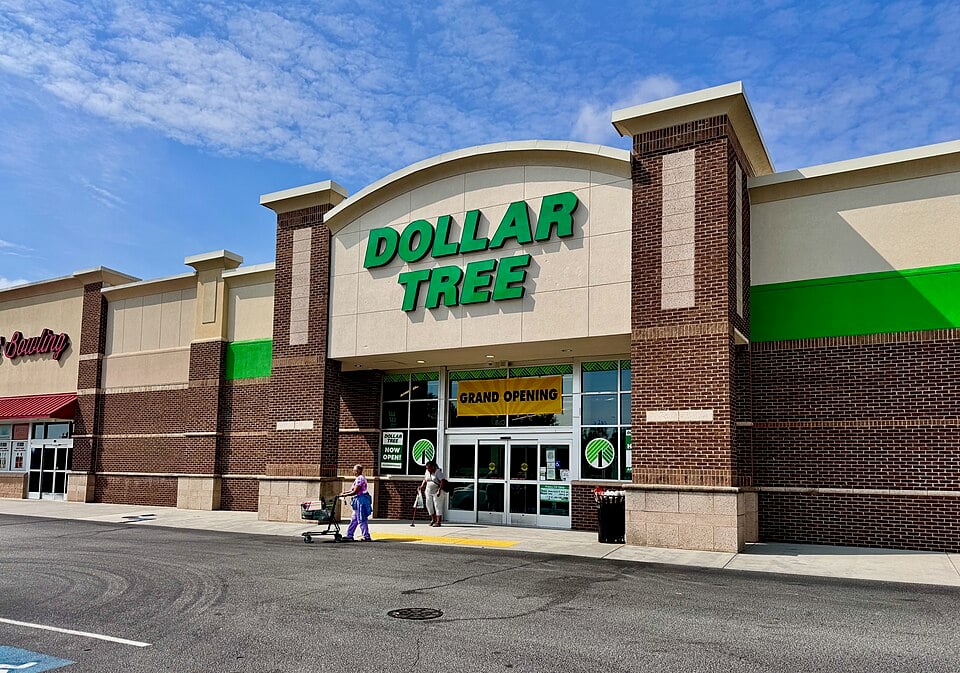
Dollar Tree’s higher-priced items are bringing in more sales
Dollar Tree’s second-quarter 2026 results help explain why shoppers shouldn’t expect the company to return to its old pricing model. The retailer reported $4.9 billion in net sales, a 7% increase from the same quarter a year earlier. Sales at comparable stores rose 3.7%.
Customers weren’t simply making more trips to the store. Average spend per transaction rose 3.3%, while customer traffic rose just 0.4%. Dollar Tree attributed the larger average purchase partly to pricing changes and customers buying more merchandise from its multi-price assortment.
The company is also expanding the format across its stores. During the quarter, it added or converted approximately 710 locations to multi-price stores, bringing the total to around 6,600.
In other words, the higher-priced sections aren’t just a small experiment tucked into a few aisles. They’re becoming a regular part of the Dollar Tree shopping experience.
You can still find $1.25 items, but not everything is a bargain
Dollar Tree hasn’t abandoned its lower-priced merchandise. Shoppers can still find items at the $1.25 price point alongside the more expensive products, giving them a wider range of choices than the store offered during its original dollar-only days.
That expanded selection can be convenient. You may be able to pick up a larger cleaning product, a kitchen tool, or a brand-name item during the same trip as your usual inexpensive supplies.
But a higher price doesn’t automatically mean a better deal, just as a $1.25 price tag doesn’t guarantee the lowest cost. A smaller package at Dollar Tree could cost more per ounce or per item than a larger package at a grocery store or big-box retailer.
Related: 12 Things You Should Never Waste Money on at Dollar General
The biggest change is how you have to shop
For years, one of Dollar Tree’s biggest appeals was knowing the price before you even walked through the door. You could pick up five items and expect to spend about five dollars before tax.
Now, shoppers need to pay closer attention to shelf labels and product packaging. A few $5 purchases mixed with $1.25 items can quickly change your total, especially when you’re picking up decorations, storage supplies, or household products without a specific list.
Before adding something to your cart, check the price and compare the quantity with what you’d get elsewhere. For items you buy regularly, it may help to remember the usual price at your grocery store, Walmart, or another nearby retailer so you can spot a genuine bargain at Dollar Tree.
Related: 10 Dollar Tree Beauty Products Shoppers Say Feel Much More Expensive
Dollar Tree may look different, but you can still shop it on a budget
As TheStreet reported, Dollar Tree’s higher-priced merchandise is no longer a temporary experiment. Its stores are carrying more products at different price points, and customers are spending more per visit.
For shoppers, the takeaway is simple: Dollar Tree can still be a useful stop for inexpensive finds, but the name on the storefront no longer tells you what an item will cost.