It’s easy to head straight to a store and pay full price whenever you need something for your home. After spending time at thrift stores, garage sales, estate sales, and online marketplaces, many shoppers discover that plenty of secondhand items still have years of use left.
Buying used can help you save money without settling for poor quality. Here are 12 things to look for when buying secondhand before paying retail prices.
Furniture
Tables, chairs, dressers, and cabinets can cost a lot when bought new, even though many used pieces remain in great condition. Look for solid construction, sturdy joints, and signs of water damage before buying, since minor repairs or new hardware can bring an older piece back to life.
Home Decor
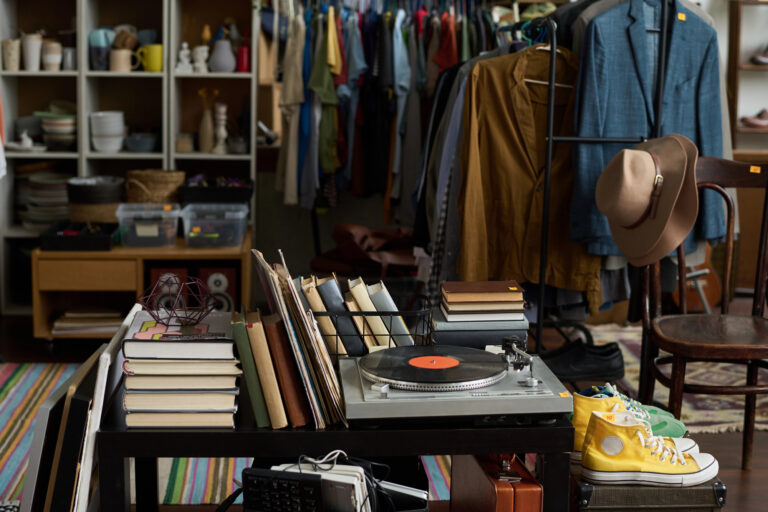
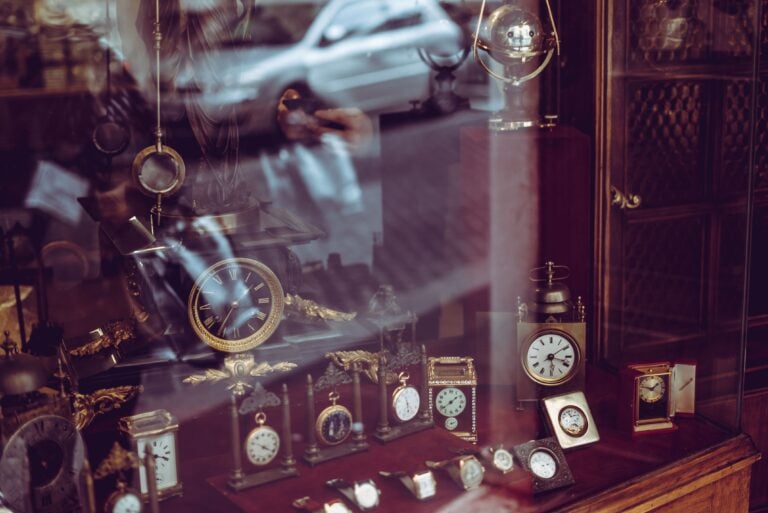
Picture frames, mirrors, baskets, vases, lamps, and artwork are common thrift store finds because people often donate them after moving or changing their decorating style. Shopping secondhand can help you find unusual pieces for less than you’d pay at a home decor store.
Books
Buying books at full price can get expensive if you read often or enjoy building a home library. Check used bookstores, thrift shops, library sales, and community swaps for favorite authors and interesting titles at a fraction of their original cost.
Kitchenware
Plates, glasses, serving dishes, cookware, and some small appliances regularly show up at thrift stores and estate sales. Inspect each item for cracks, chips, damaged coatings, missing parts, and other wear before buying, especially if it will contact food.
Baby Items
Babies outgrow clothing, toys, and many pieces of equipment quickly, so families often pass along items that have seen little use. Secondhand clothes, books, and toys can save new parents money, while products such as car seats, cribs, and high chairs need extra care to check their safety history, recalls, and current standards.
Clothing
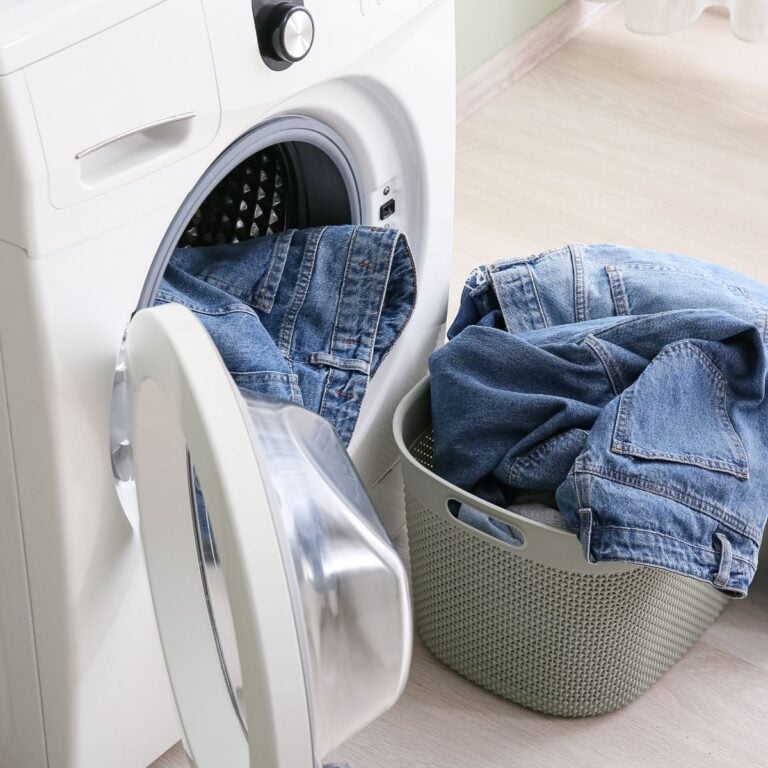
Thrift stores often carry quality brands, lightly worn garments, and even clothes with their original tags still attached. Check the fabric, seams, zippers, and any stains or odors, then look for pieces that fit well and suit the clothes you already wear.
Tools
Hand tools, drills, garden tools, and other equipment often end up at garage sales when people clean out workshops or downsize. Inspect handles, moving parts, cords, batteries, and signs of rust, and test a tool when possible before paying.
Seasonal Decor
Holiday decorations can be costly for items that spend most of the year in storage, so it’s worth checking secondhand options before each season. Thrift stores and garage sales may have Christmas ornaments, Halloween decorations, fall accents, and other festive pieces at much lower prices than new ones.
Storage Baskets and Bins
Baskets, plastic bins, drawer organizers, and small shelves are common secondhand finds that can help keep closets, kitchens, and garages tidy. Check for cracks, broken handles, stains, and lingering smells, then wash the items thoroughly before using them.
Exercise Equipment
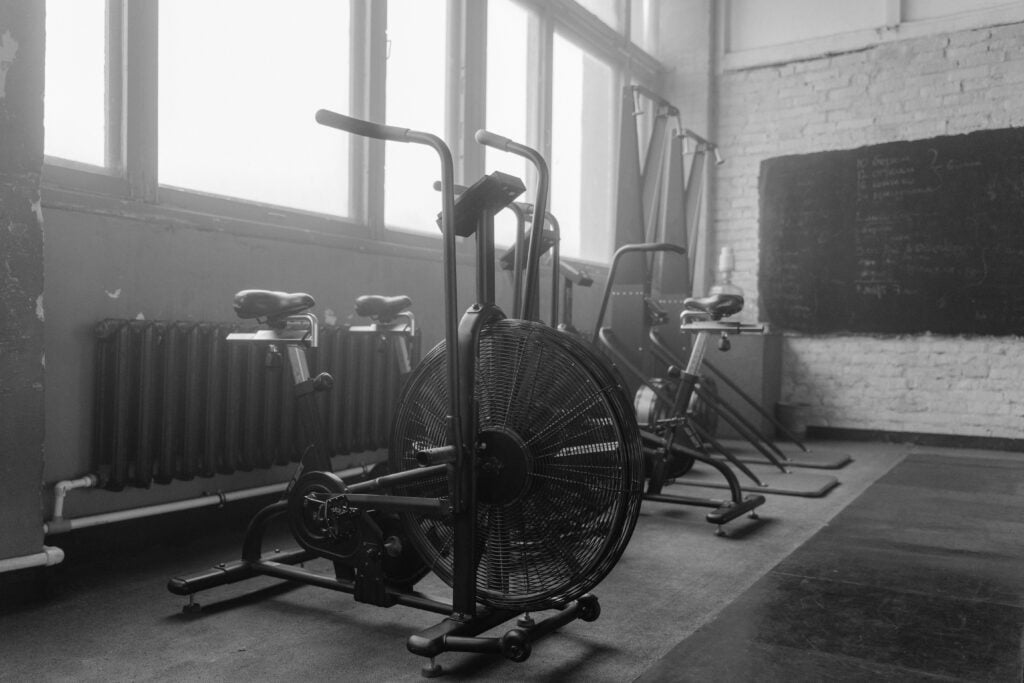
People often sell or donate weights, yoga mats, benches, and exercise machines after their workout routines change. Buying used can save money, but inspect equipment for loose parts, worn cables, unstable frames, and other damage before using it.
Office Furniture
Desks, office chairs, filing cabinets, and bookshelves can be expensive at furniture stores, yet sturdy used options are often available through local listings and secondhand shops. Check chair adjustments, drawer slides, desk stability, and surface damage before buying, especially if you’ll use the furniture every day.
Outdoor Furniture
Patio tables, chairs, planters, and outdoor decorations can cost a lot when purchased new, but people often sell them after replacing their furniture or moving. Look for rust, cracked frames, loose joints, sun damage, and worn cushions to make sure the price reflects the item’s condition.
Buying secondhand is a practical way to spend less on items that still have plenty of life left. Take time to check the condition, compare prices, and consider whether each purchase fits your needs before bringing it home.