If it feels like you’re constantly cleaning, organizing, and putting things back where they belong, only to have your home look cluttered again a few days later, the problem may be the amount of stuff you have, not how you store it.
Decluttering doesn’t mean stripping your home down to the bare minimum. A more realistic place to start is with the things that quietly pile up: clothes you never wear, duplicate kitchen tools, old paperwork, and all those free items you accepted without really needing them.
Getting rid of even some of these items can open up drawers, shelves, closets, and cabinets. It can also make everyday chores feel a little less frustrating because you’re working around fewer things.
Here are 10 types of clutter professional organizers often suggest tackling first.
Books You Never Plan to Read Again
Books can be meaningful, but that doesn’t mean every book you own needs to stay. Look at your shelves and see how many titles you’ve bought, read once, and haven’t touched since.
Old reference books, outdated manuals, bargain books, and novels you know you’ll never reread can take up plenty of shelf space. Keep the books you love, use regularly, or genuinely plan to read. The rest can be donated so someone else can enjoy them.
Clothes You Never Actually Wear
A packed closet doesn’t necessarily mean you have plenty of outfits you like wearing. Many people reach for the same few shirts, pants, dresses, and jackets while everything else hangs untouched.
Look for clothes that haven’t been worn in a year, pieces that no longer fit, and items you’ve kept because you might wear them someday. If you keep skipping over something every time you get dressed, there’s probably a reason.
Donate or sell pieces that are still in good condition and get rid of clothing that is too damaged to pass along.
Paper Clutter and Old Mail
Paper can pile up quickly. Receipts, junk mail, old bills, flyers, coupons, and documents can turn a kitchen counter or desk into a permanent paperwork station.
Go through the stacks and separate anything that needs action or should be saved from things you no longer need. Shred sensitive paperwork and recycle the rest.
For documents you need to keep but rarely reference, scanning them can also reduce the amount of paper taking up physical space.
Coffee Mugs
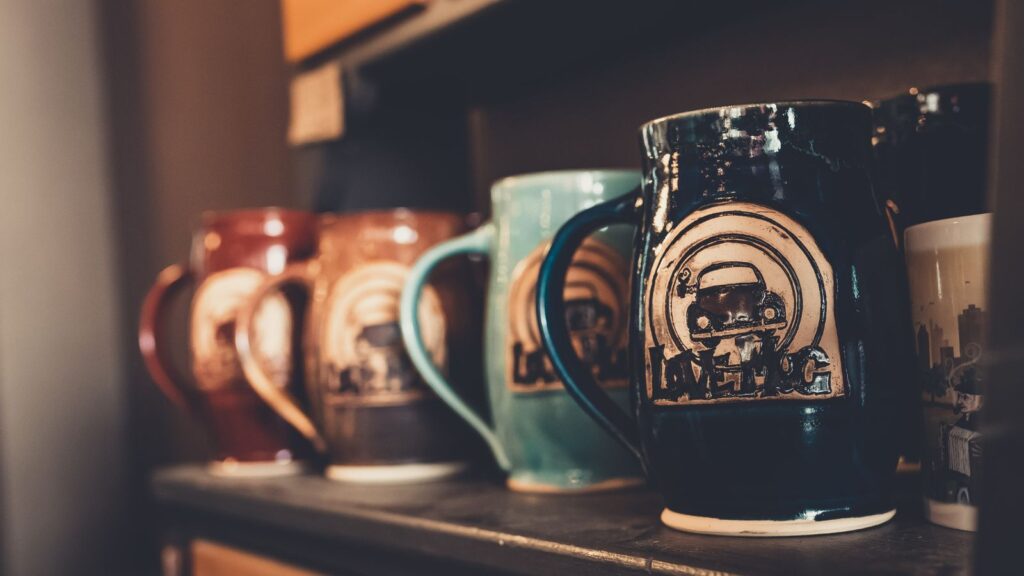
Coffee mugs have a funny way of multiplying. A few gifts, souvenirs, holiday mugs, and promotional cups can turn into an entire cabinet full of drinkware.
Take everything out and see how many mugs you actually reach for. Keep your favorites and enough for your household’s normal needs. If you have several mugs that are rarely used, they’re an easy place to start.
Related: Things You Can Do With Coffee Filters Besides Brewing Coffee
Specialty Glassware
Specialty glasses can look great, but they can also sit untouched for years. Wine glasses, champagne flutes, margarita glasses, martini glasses, and other drinkware all need somewhere to live.
If you regularly host parties or enjoy using them, keep them. If they’re taking up an entire cabinet for the one occasion you might use them, ask yourself whether they’re worth the space.
You don’t have to get rid of every unusual glass. Just keep the ones that fit your lifestyle.
Duplicate Kitchen Tools
Open a kitchen drawer and there’s a good chance you’ll find more than one version of the same tool. Extra spatulas, peelers, measuring cups, can openers, serving spoons, and whisks are common culprits.
Pick the ones you reach for most often and let go of duplicates that aren’t doing anything different. Having fewer tools can also make it easier to find what you’re looking for while cooking.
Unused Kitchen Gadgets
Novelty kitchen gadgets can be tempting. A bread maker, snow cone machine, quesadilla maker, or specialty appliance might have seemed like a great purchase at the time.
The question is whether you’re actually using it.
If a gadget has been sitting in a cabinet for years and you can’t remember the last time you used it, it’s probably taking up more room than it’s worth. Sell or donate working appliances that no longer fit your routine.
Related: Popular Estate Sale Kitchen Items That Can Be Surprisingly Valuable
Free T-Shirts
Free shirts from charity walks, company events, sports teams, school activities, and community events can quickly fill a dresser drawer.
They’re easy to keep because each one may bring back a memory. But if you’re keeping dozens of shirts you never wear, they’re still taking up space.
Keep the ones you actually wear or the few that have a special meaning. The rest can be donated if they’re in good condition or repurposed as rags if they’re too worn to give away.
Reusable Tote Bags
Reusable bags are handy, but most households don’t need a giant collection of them. Once they start filling closets, cabinets, the pantry, or the trunk of your car, they become clutter themselves.
Keep a reasonable number that you can actually use. Fold or store them in one place so you can grab them easily before heading to the store.
If you have far more bags than you’ll ever use, pass some along to friends, family, neighbors, or a local organization that can use them.
Related: 12 Signs Emotional Clutter Is Taking Over Your Home
Expired Toiletries and Bathroom Products
Bathroom cabinets are another easy place for clutter to hide. Half-used shampoos, old sunscreen, dried-out cosmetics, and personal care products can sit untouched for months or years.
Check bottles and containers for expiration information and signs that a product has changed in color, texture, or smell. Dispose of products that are expired or no longer usable according to the product label and local disposal guidance.
Once the old products are gone, you’ll have a much easier time seeing what you already own and finding the things you actually use.