
When times get tough, it’s often the simple, practical skills that matter most, the ones that help you put food on the table, keep your home running, or fix problems without having to rely on someone else.
Some skills hold their value no matter what the economy looks like. Others might feel old-fashioned or unnecessary now, but they can become incredibly useful when situations change. The encouraging part is that many of these skills are easy to learn and don’t require expensive classes or certifications. They often start as hobbies, side projects, or everyday know-how and can grow into ways to save money, earn extra income, or trade services when needed.
Building skills is a lot like building security. The more you know how to do for yourself, the more adaptable you become when life throws surprises your way.
1. Gardening & Food Production

When supplies run low and store shelves are bare, the ability to grow your own food becomes more than just a hobby—it becomes a lifeline. Those who know how to cultivate fast-growing, high-yield crops will have a reliable food source and something of real value to barter or share.
If you’ve got a bit of land and some gardening know-how, you’re already ahead of the curve. Your garden can feed your household, and any surplus can be sold or traded locally.
Related: How to Start Gardening for Beginners: Tips and Tricks to Get Started
2. First Aid & Natural Remedies
In a crisis, access to medical care can be limited, making basic health knowledge incredibly important. Those who know how to treat wounds, manage infections, or care for chronic conditions won’t just be helpful; they could save lives.
And if you have a background in herbal remedies or natural medicine, your skills will be even more in demand. Knowing how to ease pain, fight illness, and promote healing with what’s on hand turns you into a vital resource when professional care isn’t available.
3. Water Purification & Sourcing
Clean water is essential but often overlooked. Knowing how to locate, filter, and purify water makes you indispensable.
20 Hidden Water Sources That Can Keep You Alive in an Emergency
4. Basic Carpentry & Construction
Homes and shelters often need more than just a roof; they need repairs, reinforcements, and resourceful upgrades to stay livable and secure. That’s where basic building skills become incredibly valuable.
Knowing how to work with hand tools, patch a roof, build a fence, or throw together a simple shed isn’t just convenient; it’s essential. Shelter is a non-negotiable need, and those who can build or fix what others can’t will always be in demand.
5. Mechanical & Small Engine Repair
When new parts are hard to come by, the ability to fix engines and equipment becomes a critical skill. Whether it’s a vehicle, generator, or power tool, keeping essential machinery running helps entire communities stay functional and on the move.
People will always rely on transportation and tools, and those who can diagnose and repair mechanical issues will be in constant demand.
6. Emotional Resilience & Leadership
Morale can collapse faster than the economy. People who stay calm, guide others, and make sound decisions become irreplaceable community anchors.
Learning simple things like deep breathing and meditation now will help you be sought after when times are tough and people are desperate.
7. Bartering & Negotiation
In a cashless economy, trade is king. Those who can assess value, negotiate well, and build trade networks will thrive. Learn something about identifying silver, gold, and other precious metals.
8. Food Preservation
Food must last without refrigeration. Preserving seasonal harvests and meat means long-term survival. You’ll want to know how to can, dehydrate, and jerk meat, as these are marketable skills.
9. Sewing, Mending & Clothing Repair
Clothes wear out. If stores are closed, those who can fix, repurpose, or make garments will be in high demand. Again, if you have a skill, you can offer classes. Sell your knowledge.
10. Blacksmithing & Tool Making
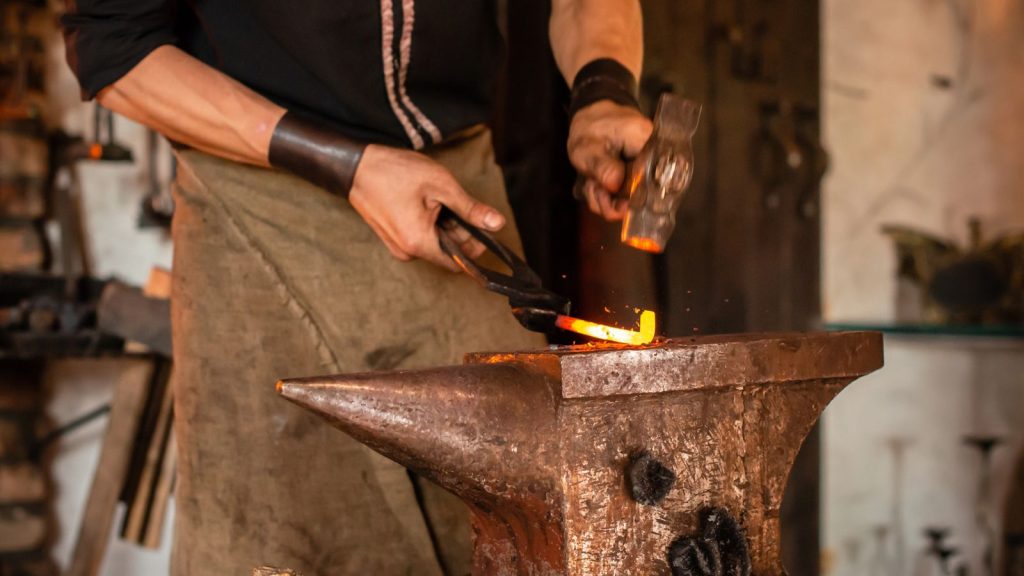
Tools break—and when replacements aren’t being manufactured, the ability to forge, repair, or create tools becomes essential. If you’re planning to rely on this skill for income, there are a few key tools you’ll want to keep on hand.
11. Butchering & Animal Processing
Hunting is one thing, processing meat without waste or contamination is another. Cutting a harvested animal is an art, as is knowing how to hang meat and where to cut to preserve the hide.
12. Foraging & Plant Identification
Nature provides if you know where to look. Proper plant ID can mean the difference between a healing herb and a deadly mistake. Identifying berries, mushrooms, and other wild edibles can keep food on your table.
13. Alternative Energy Setup (Solar, Wind, Battery Systems)
Power is still needed, especially for tools, lights, and radios. Knowing how to harvest and store energy puts you light-years ahead. Having an electrical background will help you properly set up whatever alternative energy setup you choose.
14. Security & Perimeter Defense
Desperate times invite desperate people. Those with tactical awareness, patrol systems, and defensive strategies protect not just property but lives.
You’ll want to have basic knowledge of setting up crude security systems, which can be as simple as a few empty cans or bottles strung together.
15. Firearms Handling & Maintenance
Self-defense is critical. But more importantly, so does responsible gun ownership and the ability to clean, repair, and teach firearm safety. People will be willing to pay for your knowledge.