There was a time when buying secondhand clothes was mostly associated with saving money. Now, younger shoppers are turning thrifting into something bigger, using secondhand stores to find clothes that feel more individual, build wardrobes for less, and avoid wearing the same things everyone else is buying new.
The numbers back up that shift. According to a Savers Value Village Report, more than 40% of Gen Z consumers are thrifters, and among Gen Z thrifters, nearly 6 in 10 say secondhand clothing makes up more than a quarter of their wardrobe. Even more telling, 60% say they thrift monthly.
Secondhand Is Becoming a Bigger Part of the Closet
Picking up an occasional vintage jacket is one thing. Having more than a quarter of your wardrobe come from secondhand stores suggests a much bigger change in how people think about used clothing.
Across all consumers surveyed, nearly 4 in 10 said secondhand clothing accounts for more than a quarter of what they own. Gen Z stands out considerably, with nearly 60% saying the same, suggesting that for many younger shoppers, thrifting isn’t an occasional bargain hunt anymore.
They’re Thrifting Regularly, Not Just Once in a While
The frequency is just as interesting as the amount of secondhand clothing hanging in their closets. Nearly half of thrifters surveyed purchase secondhand clothing at least once a month, while that figure climbs to 60% among Gen Z thrifters.
That makes thrifting look less like an alternative to conventional shopping and more like part of a regular shopping routine. Instead of automatically heading to a mall or ordering something new online, younger shoppers increasingly have another option in the rotation.
Thrifting Makes Personal Style a Little More Personal
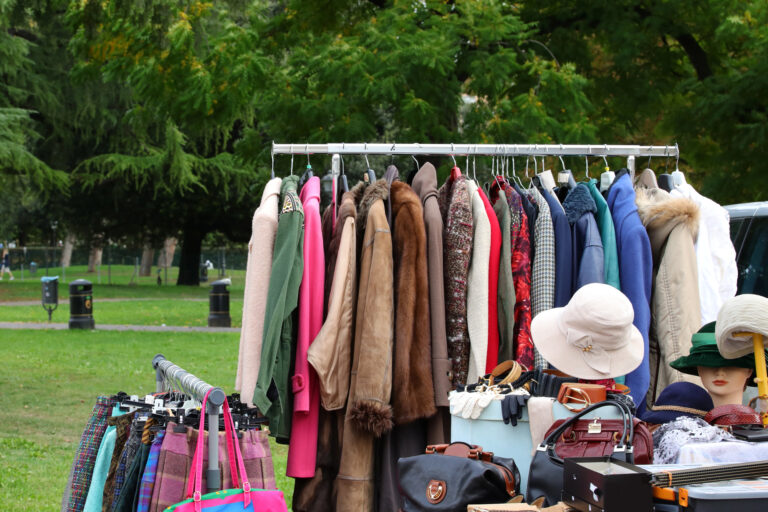
One of the best things about thrifting is that you’re not limited to whatever happens to be trending this season. One rack can contain clothes from different decades, brands, price points, and styles, giving shoppers an opportunity to put together something that doesn’t look like it came straight from a store display.
That may be particularly appealing to younger shoppers interested in developing their own style rather than simply recreating what major retailers are currently selling. The Savers report itself points to individuality and self-expression when discussing Gen Z’s growing reliance on secondhand clothing.
There’s Still the Appeal of Paying Less
Style may be part of what’s changing thrift culture, but affordability hasn’t disappeared from the equation. Secondhand stores can offer access to recognizable brands, better-quality fabrics, vintage pieces, and clothing that may have originally sold for considerably more than its thrift-store price.
For a younger shopper trying to experiment with personal style without paying retail every time, thrifting can be particularly attractive. A limited clothing budget can go further when you’re willing to search rather than expecting to find everything immediately.
Physical Thrift Stores Still Matter
You might expect younger shoppers to be doing most of their secondhand buying through resale apps, but the broader survey found that physical thrift stores still dominate secondhand spending. Shoppers reported spending 4.5 times more at brick-and-mortar thrift stores than through online resale, with 77 cents of every dollar spent on pre-owned apparel going to physical stores.
That in-person experience offers something an online search can’t quite duplicate. Instead of typing in the exact brand, size, and color you want, you have to browse, dig, and occasionally stumble onto something you never would have thought to search for.
The Shift Goes Beyond Clothing
Younger consumers may be filling their closets with secondhand finds, but thrift culture doesn’t stop at clothing. About 8 in 10 consumers surveyed had purchased at least one type of secondhand item outside of apparel, including books, furniture, home decor, electronics, and kitchenware.
That matters because it points to a broader change in shopping habits. Once someone becomes comfortable buying jeans or a jacket secondhand, looking for a coffee table, lamp, dishes, or bookshelf at a thrift store doesn’t seem like much of a leap.