Cleaning out a closet sounds easy until you’re standing in front of one packed with clothes, shoes, and random items you forgot you even owned. The hardest part usually isn’t the physical work, it’s deciding what stays and what goes.
Almost everything seems to have a reason for sticking around. Maybe it was expensive, maybe it holds a memory, or maybe you think you’ll need it someday. But after a while, those “maybe” items can leave your closet crowded and make it harder to find the things you actually use.
A good place to start is by asking one simple question: If I saw this in a store today, would I buy it again? If the answer is no, it might be time to let it go.
Here are some common closet items that are often taking up more space than they deserve.
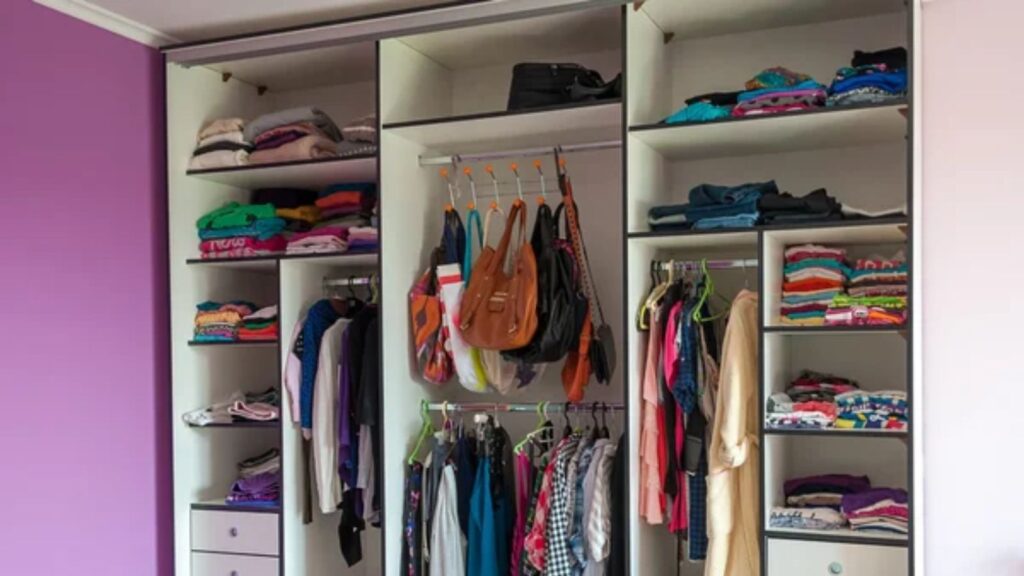
Clothes You’re Saving “Just in Case”
This is one of the hardest categories to clear out. Many closets are filled with clothes that no longer fit, pieces that need repairs, or outfits saved for a future occasion that never seems to come.
The truth is, keeping something for a possible future version of yourself often means giving valuable space to something you rarely use.
If you haven’t worn it in a long time and wouldn’t choose it today, it may be time to donate it or pass it along.
Related: 12 Clothing Items That Are Better Off Staying in Your Closet
Clothing From Another Season
A closet packed with winter coats, summer dresses, and everyday outfits all mixed together can make the space feel much smaller than it really is.
Moving seasonal clothing into storage bins or another area of your home can make a big difference. When your closet only holds clothes that match the current season, it becomes much easier to see what you actually have.
Shoes You Never Reach For
Shoes can quietly take over a closet. A few pairs become a dozen, and before long, the floor is covered with footwear you rarely wear.
Take a close look at those pairs sitting in the back. Are they uncomfortable? Outdated? Bought for one occasion and forgotten afterward?
If you haven’t worn them in a year, they may be taking up space that could go to shoes you actually enjoy wearing.
Old Sports and Hobby Gear
Closets often become storage areas for hobbies that came and went.
Unused yoga mats, old workout equipment, sports gear from activities you no longer do, and supplies from forgotten projects can quickly pile up.
If you still use these items occasionally, move them somewhere more suitable, such as a garage, basement, or storage area. Your closet should make room for the things you use regularly.
Extra Bags and Luggage
Suitcases and travel bags are useful, but they can take up a surprising amount of closet space.
If you only use them a few times a year, they may not need one of the best spots in your closet. Storing smaller bags inside larger suitcases or moving luggage under a bed can free up a lot of room.
Paperwork and Random Items
Closets often become a place where things end up when they don’t have a proper home. Old receipts, manuals, random papers, and forgotten items can slowly build into a clutter pile.
Sort through these items and move important documents somewhere more suitable. Recycle anything you no longer need.
A closet works best when it stores things you actually use, not items waiting to be sorted someday.
The “I’ll Handle It Later” Pile
Most people have one. It’s the pile of clothes that need a button replaced, a stain removed, a return made, or a small repair finished.
The problem is that these items can sit there for months, quietly adding to the feeling of clutter.
Give yourself a deadline. If you haven’t repaired, returned, or worn something by that point, it may be time to let it go.
Extra Hangers
Empty hangers may seem harmless, but too many can make your closet look crowded and make it harder to see your clothes.
Keeping only the hangers you actually need creates more open space and makes your wardrobe easier to manage.
A simple rule can help: one hanger for one item you regularly wear.
A Closet That Works for You
A clean closet isn’t about having the fewest clothes. It’s about making sure the items you keep are things you enjoy, use, and feel good wearing.
Once you remove the things that no longer fit your lifestyle, getting dressed becomes easier and your closet feels less like a storage problem and more like a useful part of your home.