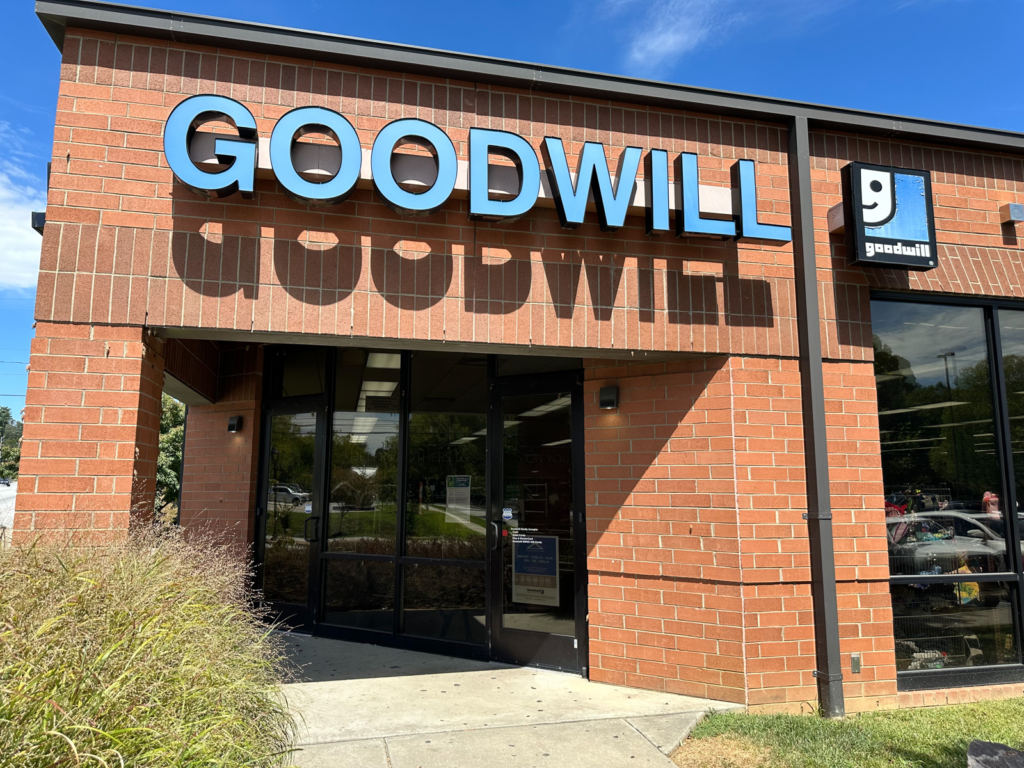
Most people assume Goodwill can simply put every donation on the sales floor, but that’s far from the truth. Every year, donation attendants have to turn away thousands of items because they’re illegal to sell, unsafe to handle, or so expensive to dispose of that they actually cost the nonprofit money instead of helping its mission.
According to reporting by The U.S. Sun, Goodwill locations across the country continue to remind donors that bringing prohibited items to donation centers creates unnecessary costs and can send perfectly good donations to the landfill. While policies vary slightly by region, many Goodwill organizations maintain extensive lists of items they cannot legally or safely accept.
Here are some of the most common donations that Goodwill says should stay at home.
Mattresses and Box Springs
Mattresses are one of the most commonly rejected donations. Many locations cannot legally resell used mattresses because of health regulations, sanitation concerns, and the high cost of disposal.
If someone leaves a mattress outside after hours, Goodwill often has to pay to haul it away, taking money away from its job training and community programs.
Baby Equipment
Car seats, baby walkers, bassinets, cribs, and many other infant products are frequently refused. Safety recalls change regularly, and Goodwill cannot verify the history or condition of these items.
Even if they appear to be in excellent shape, liability concerns mean many locations won’t accept them.
Used Bike Helmets
A bicycle helmet may look perfectly fine on the outside, but damage isn’t always visible. Because there’s no way to know whether a helmet has been involved in a crash, many Goodwill stores won’t resell them.
Medical Devices
Walkers, hospital beds, wheelchairs, CPAP machines, and other medical equipment are often prohibited. Many require servicing, certification, or sanitation procedures that thrift stores aren’t equipped to perform.
Chemicals and Hazardous Materials
Paint, pesticides, automotive fluids, pool chemicals, propane tanks, and other hazardous materials should never be donated. These products require specialized disposal and can pose serious safety risks to employees.
Ammunition and Weapons
Firearms, ammunition, explosives, and many types of weapons are strictly prohibited. Federal, state, and local laws make handling these items far more complicated than a typical donation.
Prescription Medications
Unused medications should never be left in donation bins. Pharmacies and local drug take-back programs are the safest places to dispose of prescription drugs.
Large Appliances
Refrigerators, stoves, washers, dryers, and other oversized appliances are commonly rejected. They’re expensive to move, difficult to test, and costly to dispose of if they don’t work.
CRT Televisions
Those older box-style televisions are becoming increasingly difficult to recycle. Because of their hazardous components and limited resale value, many Goodwill locations no longer accept them.
Hoverboards
Hoverboards remain on many prohibited donation lists because of battery safety concerns and previous product recalls. Even functioning models may be turned away.
Air Conditioners
Window air conditioners often contain refrigerants that require proper handling and disposal. For that reason, many Goodwill locations won’t accept them.
Taxidermy
Mounted animals and other taxidermy items are another surprising addition to many Goodwill “do not donate” lists. Besides limited demand, there can be health, legal, and wildlife regulations involved.
Recalled Products
If an item has been officially recalled by the manufacturer, Goodwill cannot legally resell it. Donation attendants routinely screen for recalled baby products, appliances, electronics, and toys.
Damaged Furniture
Furniture with broken frames, severe stains, mold, pests, or structural damage usually won’t make it onto the sales floor. If it can’t be safely used, it often becomes a disposal expense instead of a donation.
Food and Perishable Items
Most Goodwill stores don’t accept food donations because they aren’t equipped to inspect, store, or distribute perishable goods. Local food banks are usually a much better option.