
Most homebuyers want to know as much as possible about a property before signing the final paperwork. But some details about a home’s past may never appear in the listing or seller disclosures, including whether someone died there.
Disclosure laws vary from state to state. Many states treat a previous death differently from physical problems such as a leaking roof, faulty wiring, or structural damage. Since a death doesn’t automatically affect the home’s condition or safety, sellers may have no legal obligation to mention it.
This can catch buyers off guard, especially those who would prefer to know about a property’s history. If the information matters to you, asking direct questions before making an offer is a good place to start.
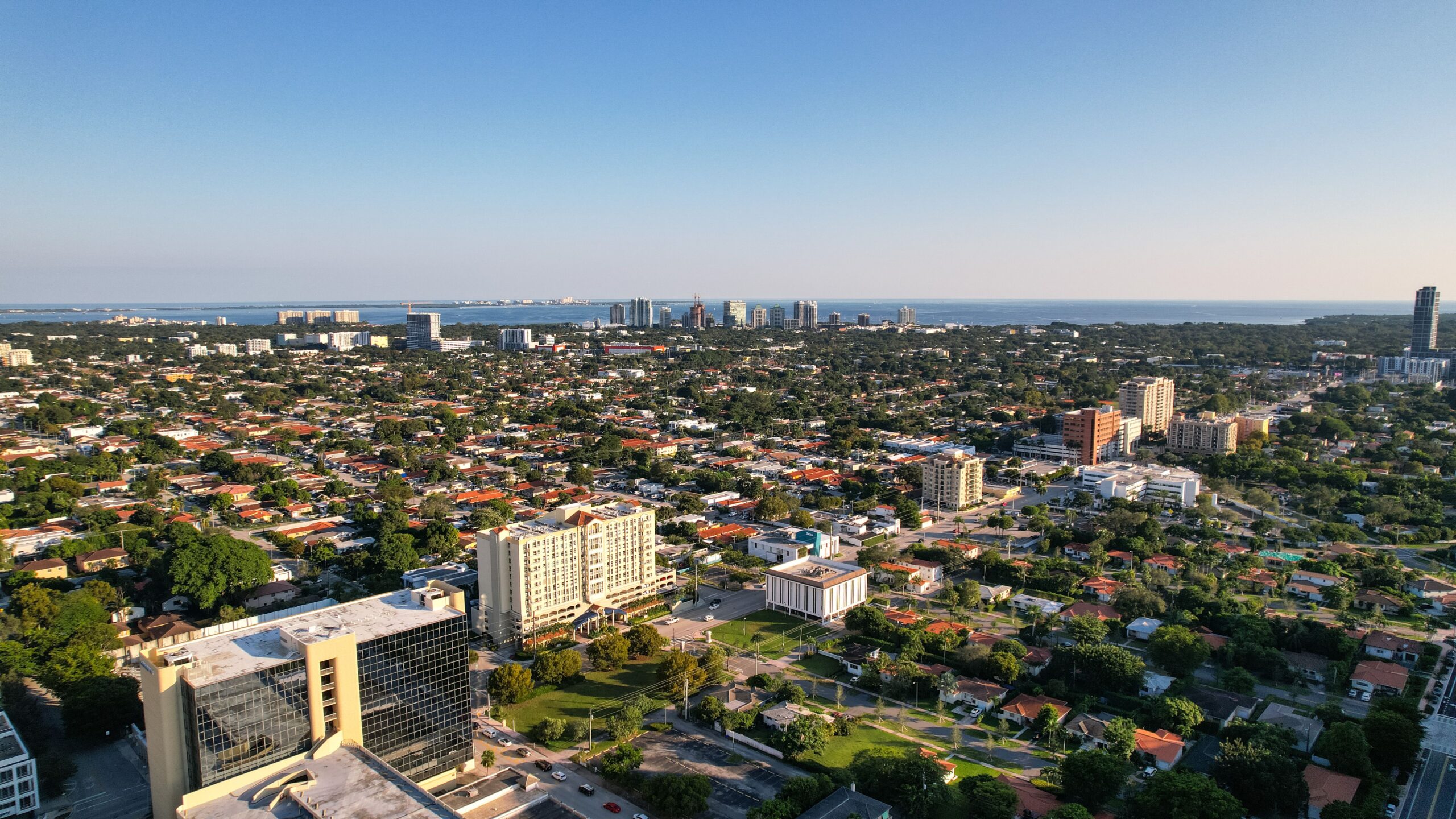
States Where Sellers Typically Don’t Have to Volunteer Information About a Death
In many states, sellers generally aren’t required to tell buyers about a death that happened inside the home. These states include:
- Alabama
- Arizona
- Arkansas
- Colorado
- Florida
- Georgia
- Idaho
- Illinois
- Indiana
- Iowa
- Kentucky
- Louisiana
- Maryland
- Massachusetts
- Michigan
- Minnesota
- Missouri
- Montana
- Nebraska
- New Hampshire
- New Mexico
- New York
- North Carolina
- Oklahoma
- Oregon
- Pennsylvania
- Rhode Island
- South Carolina
- Tennessee
- Utah
- Virginia
- Washington
- Washington, D.C.
- West Virginia
In these states, a previous death is often considered a fact that doesn’t affect the home’s physical condition or safety. Unless a buyer asks, the subject may never come up during the sale.
Buyers who want to know about a property’s past may need to ask the seller or real estate agent directly. They can also look into other appropriate sources if they want more information.
Related: Simple 10-Minute Decluttering Tasks That Instantly Make Your House Feel More Organized
States Where the Buyer May Need to Ask
Some states place more responsibility on buyers to ask about a previous death instead of requiring sellers to bring it up on their own.
Connecticut and Delaware
In Connecticut and Delaware, sellers generally don’t have to volunteer information about a death that occurred on the property. A buyer who asks directly may have different rights depending on the circumstances and the state’s disclosure requirements.
If this information could affect your decision, ask about it before making an offer. Getting an answer early gives you more time to decide whether the property is right for you.
States With Special Privacy Rules
Maine and North Dakota
Maine and North Dakota have rules that may limit how information about a death can be shared. In certain situations, real estate professionals may need the seller’s permission before discussing details about a death on the property.
The rules depend on the circumstances, so buyers shouldn’t assume every death must be disclosed. Checking current state requirements can clarify what a seller or agent is allowed to share.
States Where a Death May Matter if the Property Caused It
New Jersey, Nevada, and Texas
A death inside a home isn’t automatically treated the same way as a dangerous property condition that contributed to it. If someone died because of a known hazard, the condition itself may create a disclosure obligation.
For example, toxic mold, carbon monoxide, faulty wiring, or another dangerous condition could put future occupants at risk. In these cases, the concern is the hazard that caused the death, rather than the death alone.
States Where the Effect on the Property Can Matter
Vermont and Wisconsin
Some states look at the circumstances surrounding a death and whether the event could affect the property’s value, desirability, or use. Depending on the situation, this may lead to different disclosure requirements.
A death from natural causes may be treated differently from an event that could have a lasting effect on how buyers view the home. The details of the situation can make a difference.
States Where Disclosure May Be Encouraged
Hawaii, Kansas, and Ohio
In some states, sellers and real estate professionals may be encouraged to share certain information even when disclosure isn’t legally required in every case. The rules can depend on the type of information and the circumstances surrounding the death.
This doesn’t mean every death must be reported to every potential buyer. State requirements and the questions a buyer asks can affect what gets shared.
Why Buyers Should Ask Directly
If a home’s history matters to you, don’t assume a previous death will automatically be mentioned during the sale. Disclosure laws cover different types of information, and a death may not fall under the same rules as a physical defect.
Asking the seller or agent directly gives you a chance to learn something that might otherwise stay unmentioned. Your real estate agent can also explain which disclosure requirements apply in the state where you’re buying.
Some buyers may not be bothered by a previous death, while others would rather know before making an offer. Either way, it’s better to ask before closing than to hear about it from a neighbor after moving in.
Real estate disclosure laws can change, and exceptions may apply depending on the circumstances. If this information could affect your purchase, check your state’s current rules or speak with a qualified local real estate attorney.
Other Topics You Might Like
- If a neighbor’s tree falls on your home in California, who is responsible?
- Need to Block a Neighbor’s View of Your Yard? Here’s How to Do It Without Starting a War
- If a fence falls between neighbors in California, who is responsible for repairs?
- If You Spot These Vintage Garden Peices at a Garage Sale, Grab Them Fast