

A shed can offer convenient storage space for gardening tools and outdoor gear, but not everything is safe to keep inside. The temperature and humidity levels in most sheds can vary greatly, making them unsuitable for certain items, especially if they aren’t insulated.
Just like garages, sheds can expose stored items to damage from moisture, heat, and even pests. To avoid unnecessary damage and protect your belongings, it’s important to know what to keep out of your shed. Here are 16 items you should avoid storing in your shed.

Artwork
Your art collection should never be stored in a shed. Art is highly susceptible to damage from heat and moisture, which can cause warping, expansion, and even mold growth. To keep your artwork in top condition, wrap it in protective material like bubble wrap, place it in a waterproof bag, and store it in a box or container in a climate-controlled environment.
Food
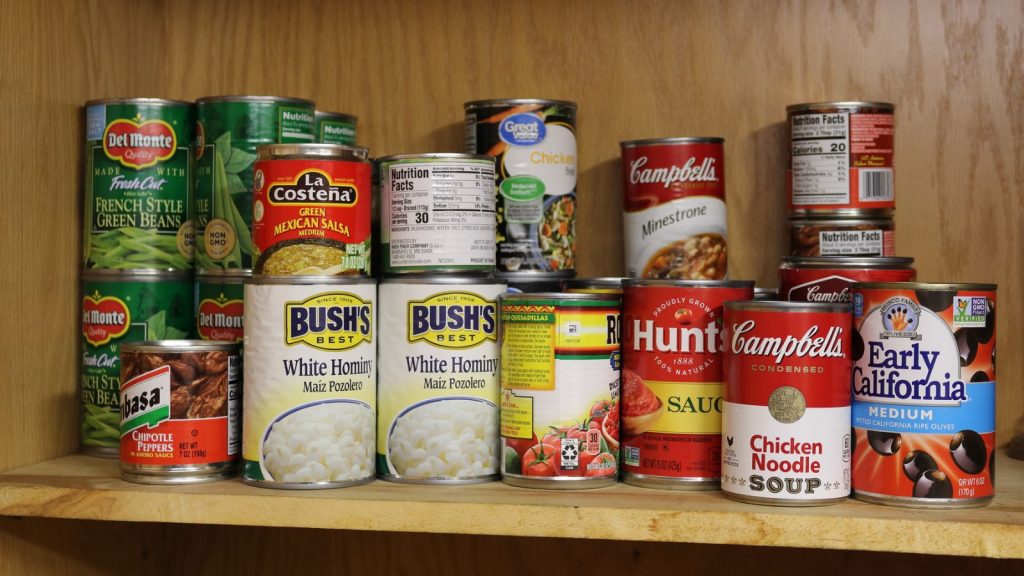
You should never store any food in your shed. Food can attract pests like rats and other unwanted critters. Canned goods are also at risk; temperature swings can promote bacterial growth inside the cans, while humidity can cause rust on the metal and jar lids. Rust can trigger chemical reactions that spoil the food, rendering it unsafe to eat.
Paint
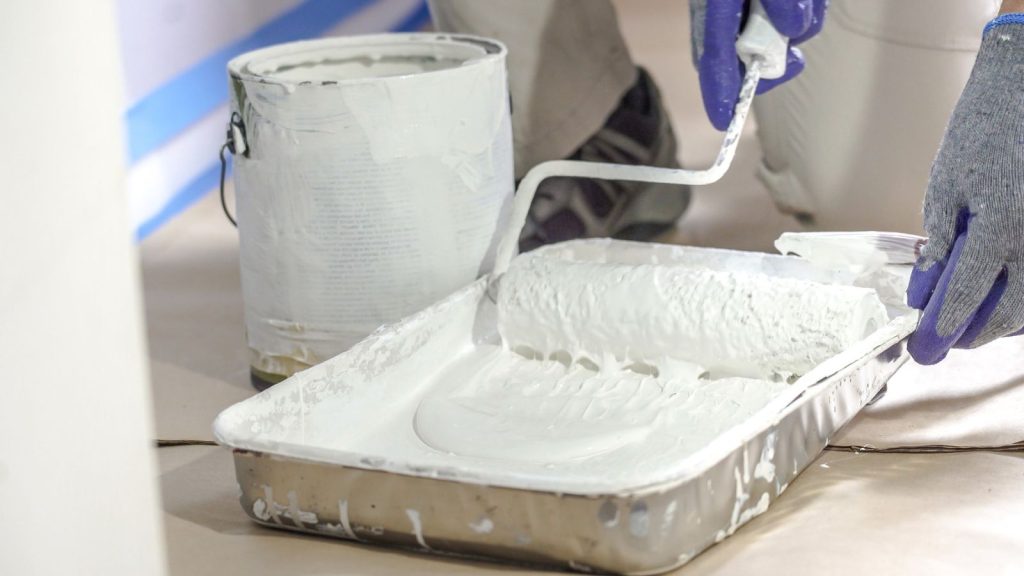
Paint has specific storage guidelines to ensure it remains effective and safe. Extreme temperatures, whether too hot or too cold, can break down its composition and pose safety risks. Store leftover paint in a cool, dry spot indoors, shielded from harsh conditions.
18 Best Cabinet Paint Colors by Sherwin Williams, 2026
Cleaning Supplies
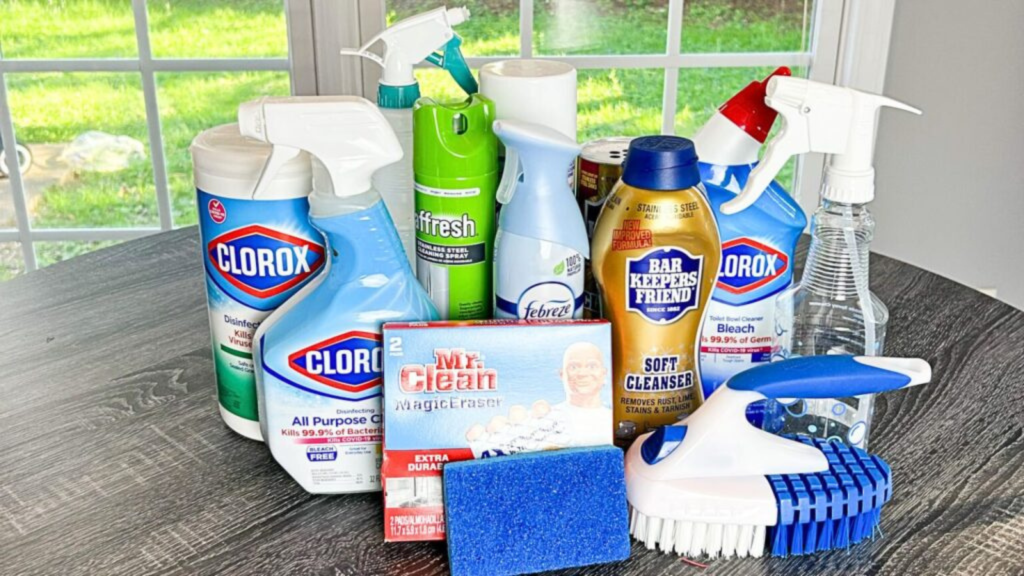
Like paint, cleaning products require careful storage to prevent deterioration and potential chemical reactions. Heat and cold can diminish their effectiveness or create safety hazards. To protect your cleaning supplies from temperature extremes, keep them in a dry, cool area inside your home.
Important Documents
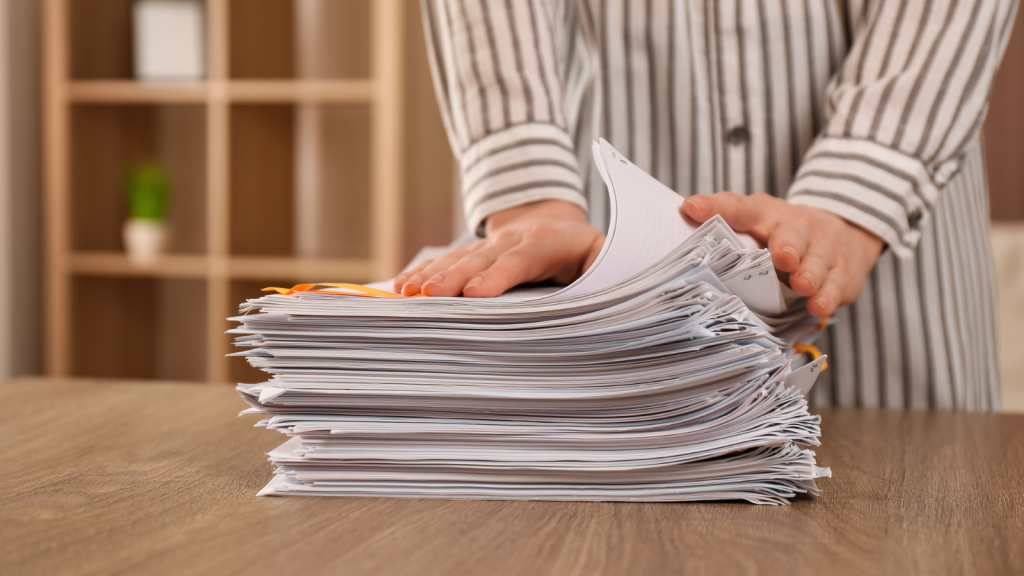
When it comes to important papers like legal documents, medical records, and family photos, don’t risk losing them to moisture or pests in a shed. These sensitive items should be kept in a secure, dry location indoors.
Valuable Electronics
Expensive electronics don’t belong in the shed. Rapid temperature changes and high humidity can cause serious damage to gadgets, potentially ruining them. Keep items like computers, televisions, and audio equipment in a climate-controlled space to extend their lifespan and maintain their performance.
12 Old Electronics That Are Now Considered Vintage
Prescription Medications
Medications are sensitive to fluctuating temperatures, and storing them in a shed can lead to decreased potency or spoilage. Always store your prescription drugs in a cool, dry area inside your home where you can easily monitor them to ensure they remain safe and effective.
Books
If your personal library is overflowing, resist the temptation to store excess books in your shed. Like artwork, books have a tough time surviving the humidity and moisture of a shed. Their pages curl over time, and their spines warp. It’s best to store these items inside your home.
Books You Should Never Leave Behind at the Thrift Store
Alcohol
Beer, wine, and other alcoholic beverages shouldn’t be stored in the shed. Light and heat can alter the taste of wine, turning your favorite wine into vinegar. Instead, make room for them in a dark, cool place inside your home.
Propane Tanks
Keeping propane tanks in your shed might seem convenient, but doing so can be very dangerous. Propane is highly flammable; even a small leak can pose serious safety hazards. Always store propane tanks outside in a well-ventilated space, far from any heat sources or potential sparks.
Insecticides and Pesticides
Storing insecticides and pesticides in a shed can be risky, especially if temperatures fluctuate. Extreme heat can cause these chemicals to degrade, making them less effective or even dangerous. Keep them in a cool, dry place inside your home, away from your children and pets.
Firewood
Pests like spiders and termites love to make their home in piles of stacked wood. Those pests can easily infiltrate your living space if that wood is stored in your shed. Avoid an infestation by storing unused firewood at least 20 feet from your home.
Unused Furniture
Home furniture is another household item that can be easily damaged by moisture and pests when stored in a shed. Wood can warp, and upholstery can develop mold. If you need to store your furniture, consider renting a climate-controlled storage unit to keep it in prime condition.
Rugs and Carpets
If you have spare rugs, avoid storing them in the shed. Moisture can lead to mold and mildew growth, and unpleasant odors can become trapped in the fibers. Additionally, rolled-up carpets can attract pests looking for shelter. Prolonged exposure to direct sunlight can also cause the colors to fade over time.
Clothing
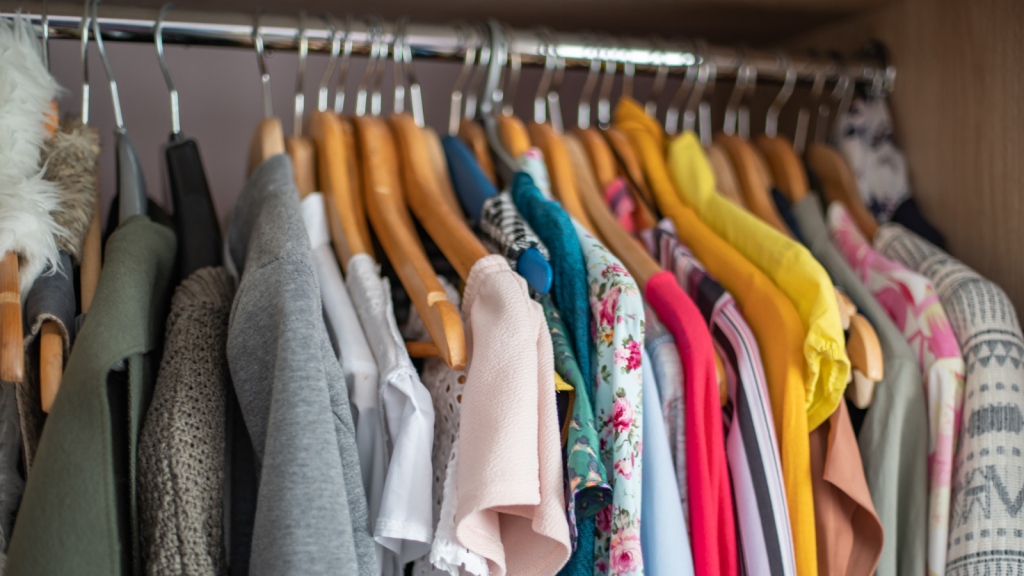
Avoid storing clothes in the shed. Clothes can develop mold and pick up musty odors – or worse, become a prime target for moths. This goes for all fabric-based items. It’s best to store clothing indoors where conditions are more stable.
Fertilizers
Storing fertilizers in the shed can be risky due to temperature fluctuations and moisture exposure, which can lead to clumping or chemical reactions. Always follow the manufacturer’s guidelines for safe storage.
Other Posts You Might Like
- How to Declutter Your Kitchen: 20 Items You Should Toss
- 9 Everyday Chores You’re Doing All Wrong
- 12 Timeless Antiques You Should Never Throw Away
- 10 Clothing Items People Wish They Had Kept After Decluttering
- 12 Organization Habits That Can Lead to More Clutter
- 12 Unexpected Items in Your Garage That Deserve the Boot