For years, travelers have heard the same advice whenever flight prices suddenly changed: airlines aren’t raising fares because you searched for the same trip multiple times. The usual explanation has been that prices move because seats are selling, demand is changing, or the departure date is getting closer.
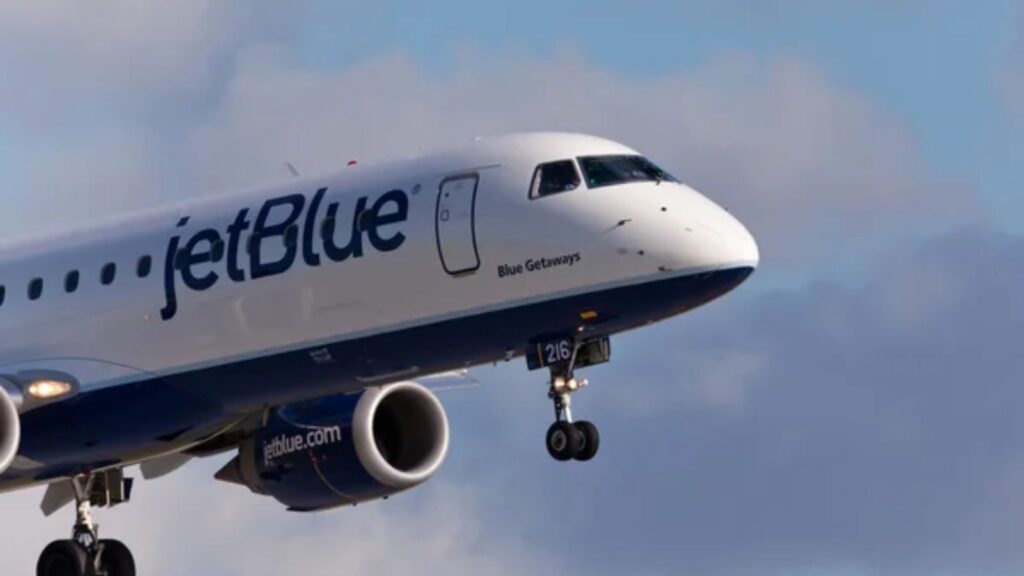
Then a recent exchange on social media involving JetBlue brought the debate back into the spotlight. A reply from the airline appeared to suggest that travelers clear their browser data while searching for flights. Many people saw that as proof of something they’ve suspected for years, that airlines are watching what they search and adjusting prices based on it.
Why the Story Spread So Quickly
The idea of companies using personal data to influence prices has become a growing concern, so JetBlue’s response immediately caught people’s attention.
On Reddit, many users said the post confirmed what they already believed. Some argued that companies collect enough information to estimate the highest price a customer is willing to pay. Others described it as price gouging under a different label.
Many travelers also shared their own experiences. Some said they’ve watched fares climb after checking the same itinerary several times, which is why tricks like using incognito mode, switching devices, or searching from another location have become so popular.
Whether those methods actually change prices is still widely debated, but the belief has been around for years. The JetBlue post simply fueled the conversation again.
Capital One Shopping makes it easy to save with automatic discounts and rewards at thousands of retailers. Sign up through my link, and you can get an $80 bonus, no purchase required
What JetBlue Said Afterward
After the post attracted widespread attention, JetBlue explained that the social media reply was incorrect. The airline said fares are not based on browser cookies, cached files, or an individual’s search history.
Instead, JetBlue said ticket prices change because of demand, seat availability, and how close the departure date is. As flights fill up, fares can rise, sometimes within a short period.
That explanation matches how airlines have long described their pricing systems. Still, many travelers remained skeptical.
Related: People Say the Worst Part of Traveling Isn’t the Trip—It’s Other People
Why Flight Prices Can Still Feel Personal
Even if your browsing history isn’t affecting prices, airline fares can still seem unpredictable.
Most airlines rely on dynamic pricing. Ticket prices rise and fall based on factors such as remaining seats, booking activity, seasonal demand, and the amount of time left before departure.
That’s different from surveillance pricing, which refers to charging different prices based on information about a specific customer. While the two ideas aren’t the same, they can look similar from the outside. If someone checks the same flight several times and notices the fare has increased, it’s easy to assume their searches played a role.
Some Reddit users pointed out that airlines organize fares into inventory categories, often called fare buckets, rather than assigning prices to individual shoppers. Others argued that companies already collect enough personal data that customized pricing could become more common down the road.
I’ve been using the Capital One Venture X, and it’s easily one of my favorite travel cards right now. If you apply through my referral link and get approved, you can earn up to 75,000 bonus miles plus travel perks like a $300 annual credit
The Real Issue Is Trust
The biggest question may not be whether airlines track your searches today. It’s whether travelers believe companies would avoid doing so if the technology allowed it.
Consumers know businesses collect large amounts of data through websites, apps, loyalty programs, and online advertising. That information is already used across many industries to personalize promotions, recommendations, and marketing.
Because of that, one confusing social media post was enough to make many people question what happens behind the scenes.
Whether or not airlines ever base fares on individual search history, the reaction shows that many travelers want clearer answers about how pricing works and how their personal information is being used.
Other Topics You Might Like
- Forget Flying: Americans Are Hitting the Road for the Holidays— And Their Reasons Make Sense
- Before You Use Water on a Plane, Here’s What Experts Want You to Know
- Rising costs are forcing Californians to pack up and leave—Here’s where they’re going
- 16 Things Flight Attendants Wish You’d Stop Doing on the Plane