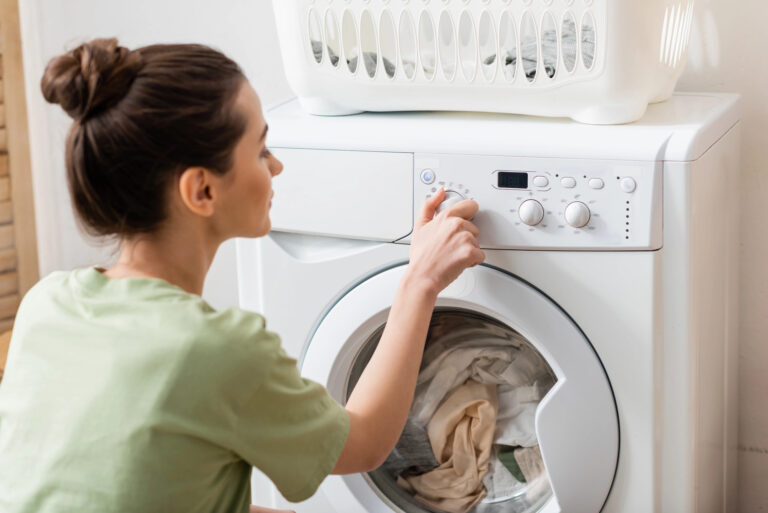
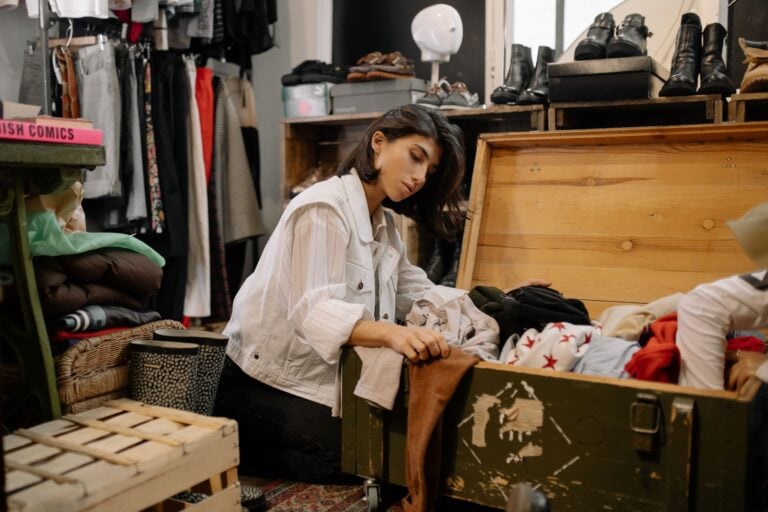
Dropping off a box of donations feels like a simple way to clear some space while helping someone else. Most people picture their old clothes, dishes, or household items ending up neatly displayed on thrift store shelves, waiting for a new owner.
What many donors don’t realize is that every single donation is inspected before it reaches the sales floor. Some items are ready to sell almost immediately, while others are pulled aside because they’re damaged, unsafe, or simply can’t be resold.
If you’ve ever wondered what happens behind the scenes, here’s a closer look at the items that are most likely to be thrown away.
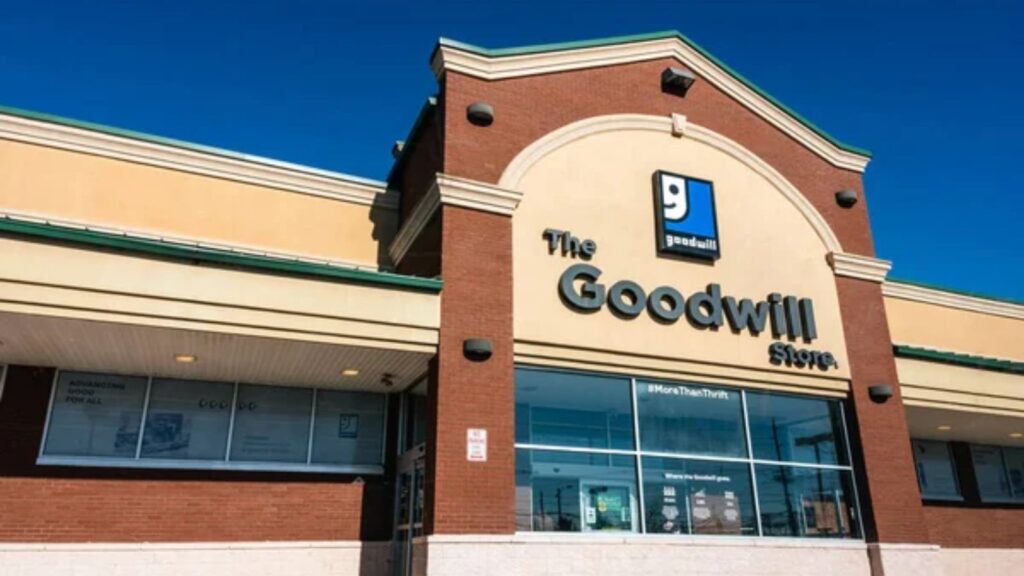
Not every donation is suitable for resale
When donations arrive at stores like Goodwill or The Salvation Army, employees don’t place them directly on shelves or clothing racks. Everything goes through a sorting process first.
Staff quickly check each item for cleanliness, condition, safety, and whether shoppers are likely to buy it. Donations that are clean and in good working order move on to pricing and display.
Items that are badly damaged, unsafe, or beyond repair are usually removed right away. With thousands of donations arriving every week, stores simply can’t repair, wash, or restore everything that comes through the door.
As a result, many donations never reach the sales floor.
Related: Where to Take Your Donations When You Want to Skip Goodwill
Heavily stained or badly worn clothing
Clothing is one of the biggest categories thrift stores receive, but it’s also one of the easiest to reject.
Garments covered in stains, carrying strong odors, showing heavy wear, or missing buttons and zippers often don’t make the cut. Small flaws may be acceptable, but clothing that’s clearly past its usable life usually gets pulled during sorting.
Some textiles may be sent to recycling partners, but pieces that can’t be reused are often discarded.
Related: 12 Creative Ways to Repurpose Old Clothes
Moldy, wet, or contaminated donations
Moisture is one of the fastest ways to ruin an otherwise good donation.
Clothes, books, furniture, and household goods that arrive wet or covered in mold usually can’t be saved. Mold spreads easily and can damage nearby donations, creating extra work and potential health concerns for employees.
Items stored in damp basements, garages, or sheds are especially likely to develop these problems before they’re donated.
Broken or unsafe household items
Many household goods are turned away because they simply aren’t safe to sell.
Cracked dishes, chipped glassware, broken mirrors, damaged electronics, and appliances with missing parts rarely make it onto store shelves. If an item could injure someone or no longer works properly, most thrift stores won’t take the chance.
Common examples include:
- Cracked plates, bowls, and cookware
- Electronics that no longer work
- Household items with missing or broken parts
- Broken mirrors or damaged glass décor
If an item isn’t safe or ready for someone to use right away, it’s far more likely to be discarded than offered for sale.