Decluttering usually ends with a donation run. You fill a few boxes, load the car, and assume everything will end up on a thrift store shelf waiting for a new owner.
But that’s not always how it works.
Thrift stores can’t accept every donation they receive. Some items create health or safety concerns, some can’t legally be resold, and others simply take up too much space or cost more to dispose of than they’re worth.
Checking your donation pile before you leave can save you time and spare the store from handling items it can’t use. Here are some of the most common things thrift stores are likely to turn away.
Mattresses
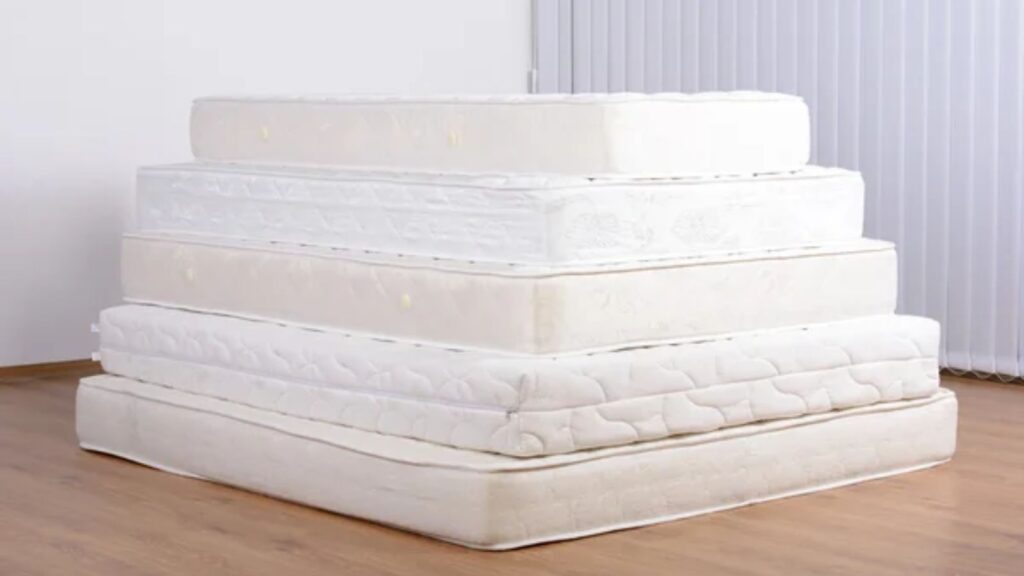
Most thrift stores won’t accept mattresses or box springs. Even if they look clean, it’s difficult to know what’s inside them. Concerns about bedbugs, allergens, stains, and sanitation make them too risky for resale.
Related: 18 Things Boomers Swear They’ll Declutter (But Never Do)
Wet, Moldy, or Mildewed Items
Anything that’s damp, moldy, or has a musty smell should stay out of the donation pile. Mold spreads easily and can ruin nearby donations. It can also create health concerns for employees and volunteers sorting through incoming items.
Broken or Heavily Worn Items
Donations should be ready for someone else to use. Clothing with large tears, appliances that don’t work, furniture that’s missing pieces, or household items with heavy damage are usually rejected because the store can’t sell them in their current condition.
Oversized or Very Heavy Furniture and Equipment
Large sofas, entertainment centers, heavy exercise equipment, and other bulky items aren’t accepted by many locations. They require extra storage space, are difficult to move, and may sit unsold for a long time.
Hazardous or Flammable Materials
Items such as paint, pesticides, propane tanks, gasoline, fireworks, and household chemicals shouldn’t be donated. They require special handling and create safety concerns inside donation centers and stores.
Related: 15 Things You Can Declutter This Weekend Without Regretting It
Firearms, Ammunition, and Explosive Items
Guns, ammunition, explosives, and realistic-looking weapon replicas are almost always prohibited. Most thrift stores have strict policies that prevent employees from accepting these items under any circumstances.
Large Appliances and Older Electronics
Refrigerators, washing machines, dryers, ovens, and similar appliances are often turned away. Many stores don’t have the ability to test or repair them, and disposal can be expensive if they don’t work. Older electronics may also contain materials that require special recycling.
Baby Gear and Children’s Safety Equipment
Car seats, cribs, bassinets, highchairs, and baby walkers are commonly refused. Safety standards change over time, and stores usually can’t verify whether older products still meet current regulations or have been recalled.
Related: 16 Signs Your Home Is Ready for a Serious Declutter
Food, Beverages, and Personal Care Products
Most thrift stores don’t accept food or drinks, even if they’re unopened. The same goes for makeup, shampoo, lotions, and other personal care products because of expiration dates, contamination concerns, and health regulations.
Construction and Home Improvement Supplies
Leftover carpet, lumber, plumbing fixtures, blinds, insulation, and similar building materials are rarely accepted. These items are difficult to display, appeal to a limited number of shoppers, and often require more storage space than stores can spare.
Medical Equipment and Sanitation Products
Medical supplies, used sanitary products, and certain healthcare equipment are often declined because of liability concerns. Stores generally can’t verify whether these items are safe or suitable for reuse.
Loose Rags and Cleaning Cloths
A box of worn-out rags may seem useful, but most thrift stores won’t accept it. Since the materials are difficult to sort and may have been exposed to chemicals or grease, they often end up being discarded.
Related: 12 Creative Ways to Repurpose Old Clothes
Old Print Materials
Outdated encyclopedias, old magazines, phone books, and stacks of newspapers rarely make it onto thrift store shelves. Interest in these items is usually very low, so they often take up space without ever finding a buyer.
Other Posts You Might Like
- 20 Collectibles in Your Parents’ House That Could Be Worth a Fortune
- 13 Random Items in Your Home That Could Be Worth Thousands
- From Oil Lamps to Porcelain Pigs, These Are the Strangest Things People Collect
- 13 Garage Sale Items That Collectors Actively Look For (and Pay Well For)
- 17 Everyday Items in Your Kitchen That Are Secretly Valuable