With pennies getting less attention in everyday spending, more people are cleaning out coin jars, drawers, and old collections. Before you dump a pile of pennies into a counting machine or spend them without looking, it’s worth checking whether one of them stands out.
Most pennies are worth exactly one cent, but certain mint errors and rare varieties can be worth much more. A few famous Lincoln cents have sold for thousands of dollars, and some exceptional examples have reached six figures at auction. That doesn’t mean every old penny is valuable, but it does give you a reason to take a closer look.
Start With Copper Pennies (Pre-1982)
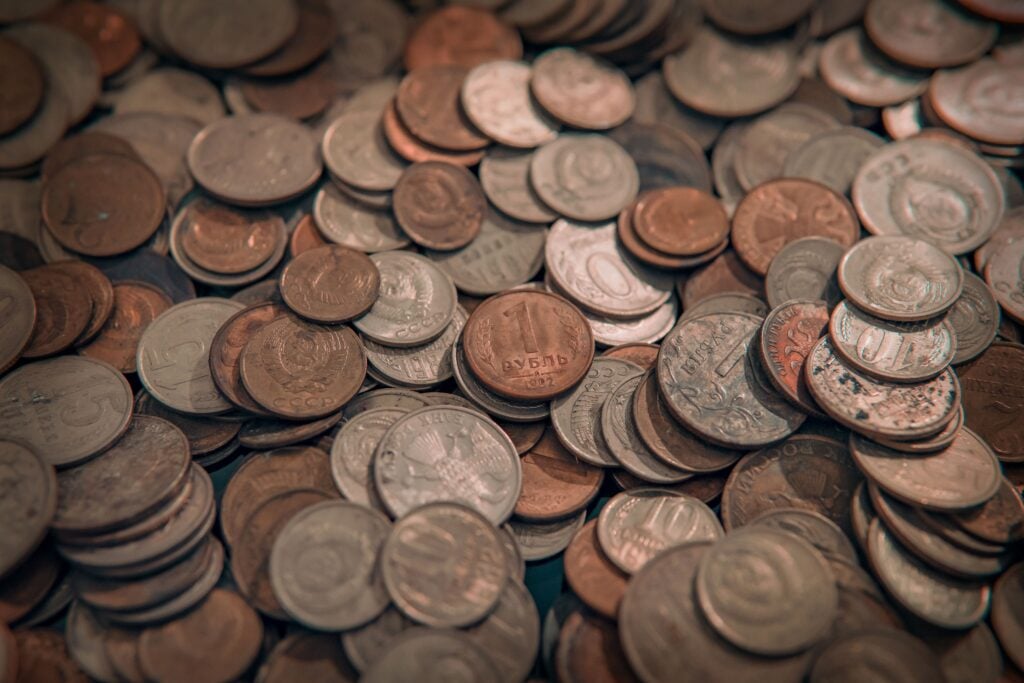
Pennies made before 1982 are generally 95% copper, which gives them a higher metal value than their one-cent face value. The exact amount depends on the price of copper and the condition of the coins, so the numbers can change over time.
There’s also a legal catch here: U.S. law restricts the melting or export of pennies for their metal content. That means you shouldn’t buy up copper pennies with the plan of melting them down. Collectors and dealers may still purchase copper cents in bulk, though, and some people keep them simply because they prefer older copper coins.
Most pennies made after 1982 use a zinc core with a thin copper coating. These are often called “Zincolns,” and most are worth face value unless they have a collectible variety or a genuine mint error.
And that’s where the hunt gets interesting.”
Related: 10 Wheat Pennies Worth Far More Than One Cent
What Makes a Penny Valuable?
There are two big things collectors watch for: major mint errors and rare die varieties. Mint errors happen during production, while die varieties come from differences in the dies used to strike the coins.
A coin that looks strange isn’t automatically rare. Scratches, dents, stains, discoloration, or other damage that happened after the coin left the mint usually don’t make it a valuable error coin. Learning that difference can save you from getting excited about an ordinary damaged penny.
Related: 17 Rare Quarters Worth Some Serious Money
The Pennies Worth the Most Money
Some Lincoln cent varieties are well known among collectors and are worth checking for. Keep in mind that prices can vary a lot based on condition, authenticity, grading, and where the coin is sold.
- 1943 Copper Penny – Some examples have sold for more than $100,000. In 1943, the U.S. Mint used zinc-coated steel for cents because copper was needed for the war effort. A small number of copper planchets were accidentally struck, creating one of the most famous Lincoln cent rarities.
- 1944 Steel Penny – Some examples have sold for $85,000 or more. In 1944, copper cents returned, but a small number of leftover steel planchets were struck by mistake.
- 1955 Doubled Die Penny – Prices can reach well over $1,000 depending on condition. The date and lettering on the obverse show clear doubling, making this one of the easiest famous doubled dies to recognize.
- 1958 Doubled Die Penny – Genuine examples are extremely rare, and top-condition coins can command very high prices.
- 1969 Doubled Die Penny – Collectible examples can be worth tens of thousands of dollars, with value depending heavily on condition and authentication.
- 1972 Doubled Die Penny – Some examples are worth hundreds of dollars or more, with stronger doubling and better condition bringing higher prices.
- 1982-D Small Date Copper Penny – 1982 was the year the Mint changed from copper cents to copper-plated zinc cents. A genuine Denver-minted small-date copper example is a rare combination collectors look for.
- 1983-D Copper Penny – Most 1983-D cents are copper-plated zinc. A genuine copper example is extremely rare and can be valuable.
- 1992 Close AM Penny and 1992-D – Check the spacing between the letters “A” and “M” in “AMERICA” on the reverse. A Close AM variety can be worth much more than face value when authenticated.
- 1999 Wide AM Penny – The reverse lettering can identify a collectible variety, and some examples are worth well above face value.
- 1990 No-S Proof Penny – Proof cents from San Francisco normally carry an “S” mint mark. A genuine 1990 proof cent without the expected mint mark is a major rarity.
Related: 10 Things That Never Sell at Garage Sales—Even for Pennies
Valuable Zinc Pennies to Watch For
Copper isn’t the only thing worth checking. Some zinc cents from the 1980s and 1990s have collectible errors or varieties that can bring more than one cent.
- 1983 Doubled Die – Some examples can be worth hundreds of dollars, depending on the variety and condition.
- 1984 Doubled Ear – A doubled area on Lincoln’s ear can make this variety collectible.
- 1995 Doubled Die – Clear doubling on the lettering can make these cents worth more than face value.
- 1998 Wide AM – A collectible reverse variety that can bring a premium.
- 1999 Wide AM – Some examples are worth considerably more than one cent.
- 2000 Wide AM – Another variety collectors check for when searching modern Lincoln cents.
Most of these coins won’t be worth a fortune, and some may only bring a small premium. Still, finding one in ordinary change can be a fun surprise.
A Simple Checklist Before You Cash Them In
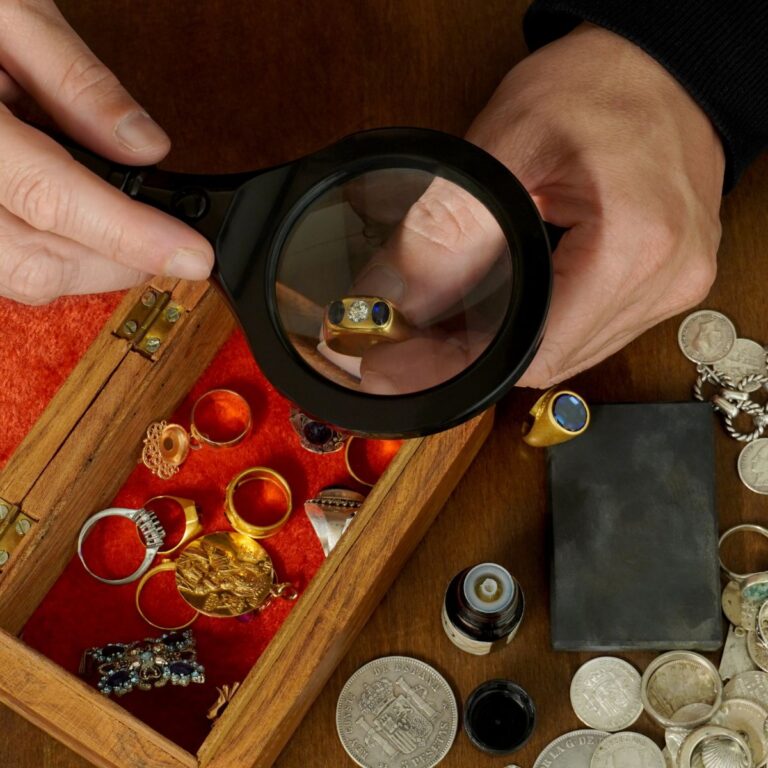
Before you pour your pennies into a counting machine, sort through them first. A few minutes with a good light and a magnifying glass can help you spot coins that deserve a closer look.
- Set aside older copper pennies, especially those dated before 1982.
- Pull out 1943 and 1944 pennies and check the composition with a magnet as part of your screening process.
- Pay close attention to 1955, 1969, 1972, 1983, 1984, 1992, and 1999 cents.
- Check the spacing of the “A” and “M” in “AMERICA” on 1992 through 2000 cents.
- Look for clear doubling on the date, lettering, or other parts of the design rather than ordinary wear or scratches.
If a coin looks promising, don’t clean it before having it checked. Cleaning can leave scratches or other marks that hurt a collectible coin’s value. A reputable coin dealer or professional grading service can help determine whether what you found is a genuine variety or error and give you a better idea of what it may be worth.
Other Posts You Might Like
- 20 Collectibles in Your Parents’ House That Could Be Worth a Fortune
- 13 Random Items in Your Home That Could Be Worth Thousands
- From Oil Lamps to Porcelain Pigs, These Are the Strangest Things People Collect
- 13 Garage Sale Items That Collectors Actively Look For (and Pay Well For)
- 17 Everyday Items in Your Kitchen That Are Secretly Valuable