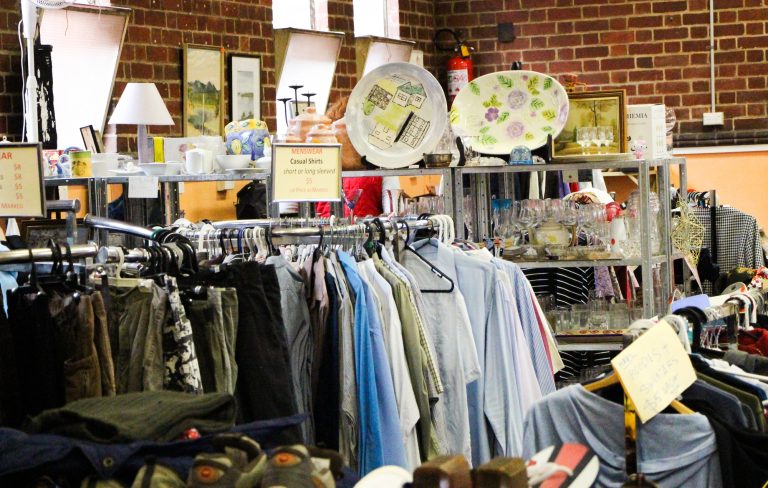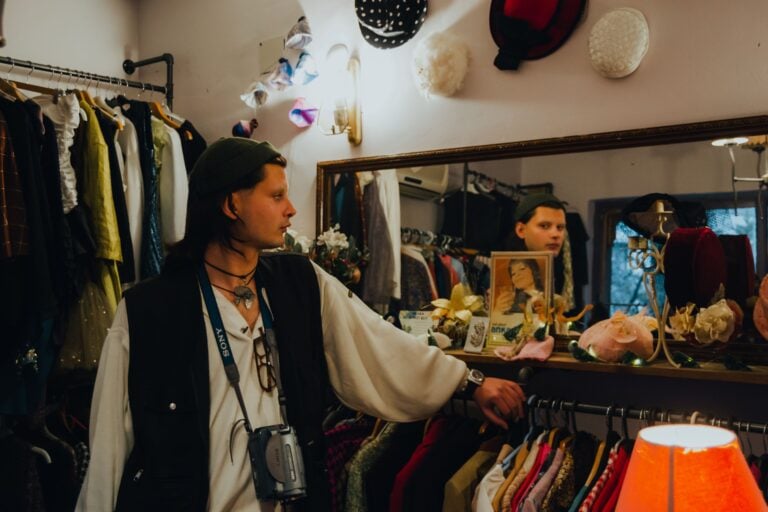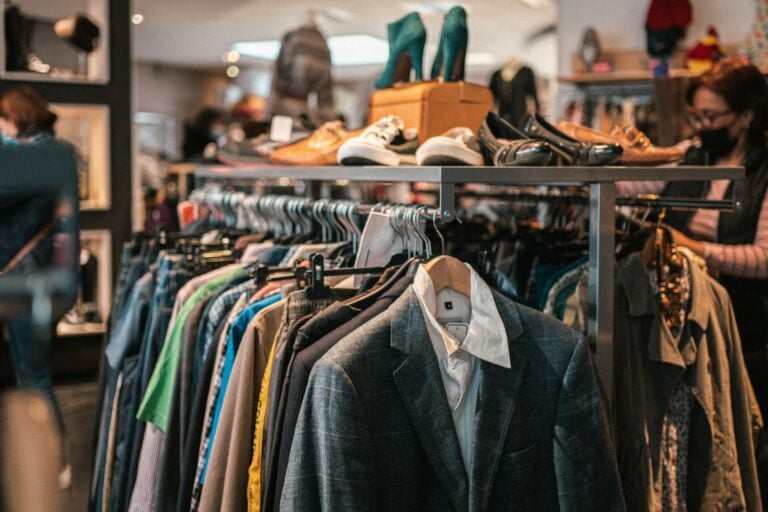

Most people don’t set out to collect something strange. It usually starts small—one item kept for a reason that made sense at the time. Then another. Then another. Years later, it’s not just clutter anymore. It’s a collection.
A new survey of 2,000 Americans revealed some of the most unexpected, oddly specific, and downright bizarre things people collect and where those items end up when they run out of space. From sentimental keepsakes to objects that serve no purpose at all, these collections sit at the intersection of memory, identity, and accumulation.
Here are some of the most surprising collections Americans admitted to owning, along with what the survey reveals about why people hold onto them.
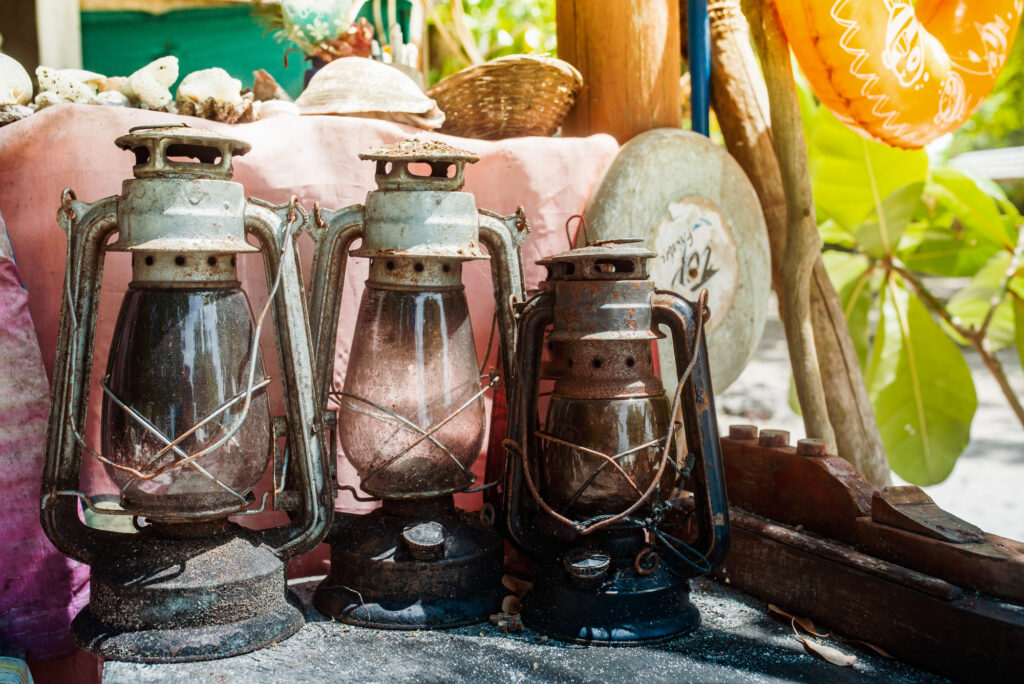
Hundreds of Oil-Burning Lamps
Oil-burning lamps tend to start as one or two pieces picked up at an antique shop or passed down from the family. One respondent reported collecting more than 200 oil-burning lamps.
Not because they needed them, but because each one carried its own story, different shapes, different eras, different ways people once brought light into their homes. Together, they become a record of how ordinary objects were once essential, and why it’s hard to stop collecting something that feels both useful and deeply rooted in the past.
Nearly 100,000 Sports Cards
Sports cards may not be unusual on their own, but scale changes everything. One person reported owning nearly 100,000 cards, turning a childhood hobby into a full-blown archive.
This kind of collection helps explain why 47% of respondents said they’re not entirely sure how they ended up with so much stuff. It doesn’t happen all at once; it builds quietly over time.
Fingernail Clippings Saved Over a Lifetime
Possibly the most unsettling admission in the survey, one respondent said they’d saved their fingernail clippings for their entire life.
While extreme, it highlights how collections don’t always follow logic or social norms. Some items exist purely as personal records, proof of time passing, falling into the 27% of belongings Americans identified as sentimental memorabilia.
Brewery Coasters From Across the Country
One respondent collected more than 300 coasters from breweries they’d visited. Unlike purely decorative collections, this one acts as a travel log, tied to experiences rather than aesthetics. One from a weekend trip. Another from a place that felt important at the time. Eventually, they turn into a quiet record of where someone’s been and who they were with. It’s less about beer, more about memory.
Survey results show that 29% of non-essential items are things people keep because they make them happy, even if they don’t serve a practical purpose. This is that category in its purest form.
Garden Gnomes
Garden Gnomes showed up more than once in the survey results. These collections tend to start innocently with one gifted figurine and grow as friends and family add to it.
They’re a reminder that collections are often social. People become known for them, and the objects multiply accordingly.
Uranium Glass
Uranium glass stands out because it’s both niche and visually distinctive, often glowing under UV light. Collectors tend to seek it out intentionally, even if they don’t fully know why they’re drawn to it at first.
This kind of collection sits at the edge of curiosity and obsession, valuable to the owner, confusing to everyone else.
Clowns (Lots of Them)
Clown collections were another unexpected find. Figurines, artwork, and dolls are often amassed over decades.
These collections underline why 27% of Americans admitted feeling embarrassed about how much stuff they own. What once felt charming or fun can start to feel overwhelming as it grows.
Vintage Handkerchiefs
Vintage handkerchief collections lean heavily into nostalgia. Often inherited or thrifted, they’re rarely used for their original purpose. Embroidery, lace, and careful stitching speak to a time when everyday items were made to last. For many collectors, they’re connected to family memories, passed down through generations and saved not for use, but for meaning.
This aligns with the 21% of belongings Americans said they don’t need anymore but haven’t gotten rid of yet, kept not for function, but for memory.
Porcelain Pigs
Porcelain pigs may sound whimsical, but large collections can quickly take over space. Like many novelty items, they’re often accumulated passively through gifts.
They’re also a good example of how collections slip into the “non-essential” category without ever feeling like junk, something 29% of respondents said applies to items they simply enjoy.
Elvis Presley Memorabilia
One Elvis fan assembled a full collection honoring the singer’s legacy. This kind of themed collecting is common, built around admiration and identity rather than usefulness.
It reflects how collections can feel like tributes, ways of keeping something meaningful present in daily life.
Princess Diana Memorabilia
Another respondent collected items honoring Princess Diana, showing how public figures can inspire deeply personal collections.
These items often fall into the sentimental category, even if the owner never met the person they’re commemorating.
Taxidermy Displays
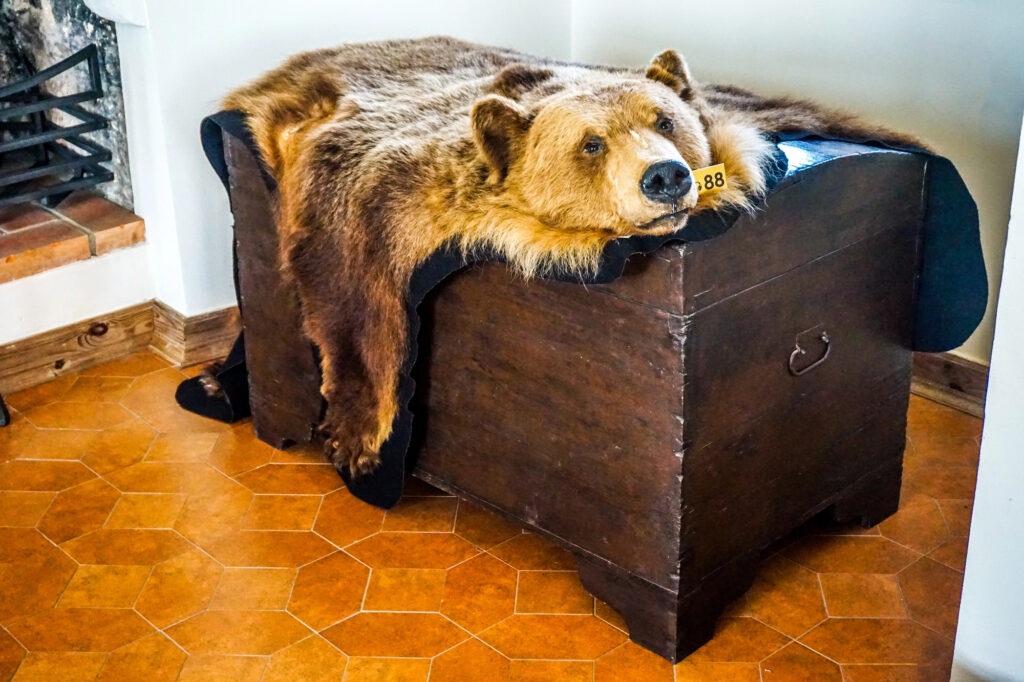
Several respondents admitted to owning taxidermy—tigers, cobras, piranhas, parrots, penguins, and more.
These collections are visually striking and often difficult to store, helping explain why 20% of Americans currently rent storage units and why some resort to unconventional storage spots like crawlspaces, chimneys, or even burying items underground.
Where It All Ends Up
The survey revealed that Americans store their collections everywhere, from storage units and parents’ homes to air vents, freezers, hollow trees, and places never meant for long-term storage.
Collections are rarely about usefulness. They’re about memory, identity, comfort, and control. They grow quietly, live in forgotten corners, and carry meaning long after their original purpose disappears.
And sometimes, they’re just a reminder that not everything we keep needs a reason until it needs a place to go.
Despite the attachment, most people are aware they’ve accumulated too much. Over half plan to declutter this spring, expecting to get rid of about 34% of their belongings. Many said the process would take days, or even a full workweek.
Other posts you might like: