It’s easy to get carried away with home renovations, especially when one small update leads to another, and the costs keep climbing. Some upgrades make everyday life more enjoyable, but they don’t always add enough resale value to justify the cost.
Personal taste also shapes how buyers view a home, since features one homeowner loves might feel impractical to someone else. Before putting thousands of dollars into your next project, take a look at these 15 home improvements that may not be worth the expense.
Garage Conversions
Turning a garage into a guest room, office, or entertainment space can give you more room without building an addition. The trade-off is losing covered parking and storage, which can be a drawback for buyers who need space for cars, tools, bicycles, and outdoor equipment.
Removing a Bedroom
Turning a spare bedroom into a large closet, gym, or hobby room can suit your current needs, but reducing the bedroom count may narrow your pool of potential buyers. Many people search for homes based on the number of bedrooms, so keeping a room flexible can be a better choice.
Related Article: Stop Keeping These 11 Unnecessary Things in Your Home
Wall-to-Wall Carpeting in Main Areas
New carpet can make a room feel soft and cozy, but many buyers prefer hardwood, tile, or other hard flooring in busy areas. Carpet can also stain and wear down quickly in hallways and living rooms, so an expensive installation may not be worth the cost if someone plans to replace it.
Removing Closets for More Open Space
Removing a closet can make a room feel larger, but it also takes away storage that many homeowners need every day. Buyers often appreciate having space for clothes, linens, coats, and household supplies, so think carefully before giving up built-in storage.
Over-the-Top Landscaping
A well-kept yard can make a home more appealing, but elaborate gardens, large water features, and costly outdoor structures can be expensive to install and maintain. Some buyers may enjoy these additions, while others see them as extra work and ongoing expenses.
Related Article: These Forgotten Areas of Your Home Need More Attention
Overly Trendy Design Choices
Bold tile patterns, brightly colored fixtures, and unusual finishes can add personality, but tastes change over time. Neutral finishes tend to appeal to more buyers and can reduce the chance that someone will want to remodel soon after moving in.
Outdoor Kitchens
An outdoor kitchen can be a great place to cook and entertain if you spend plenty of time outside. In areas with long winters or frequent bad weather, expensive grills, counters, plumbing, and other extras may get used less often than expected.
Heavy Personalization
Custom-built rooms, themed spaces, and unusual paint colors can make a home feel like your own. If you decide to sell, buyers may struggle to picture themselves in a space that reflects a very specific taste, and undoing those changes can add to their costs.
Home Theater Rooms
A dedicated movie room with theater seating, special lighting, and built-in equipment can be fun for families who watch films often. Some buyers may prefer to use that space as a guest room, office, or playroom, so a flexible room can appeal to a wider range of households.
Related Article: Unexpected Items in Your Home That May Contain Toxic Materials
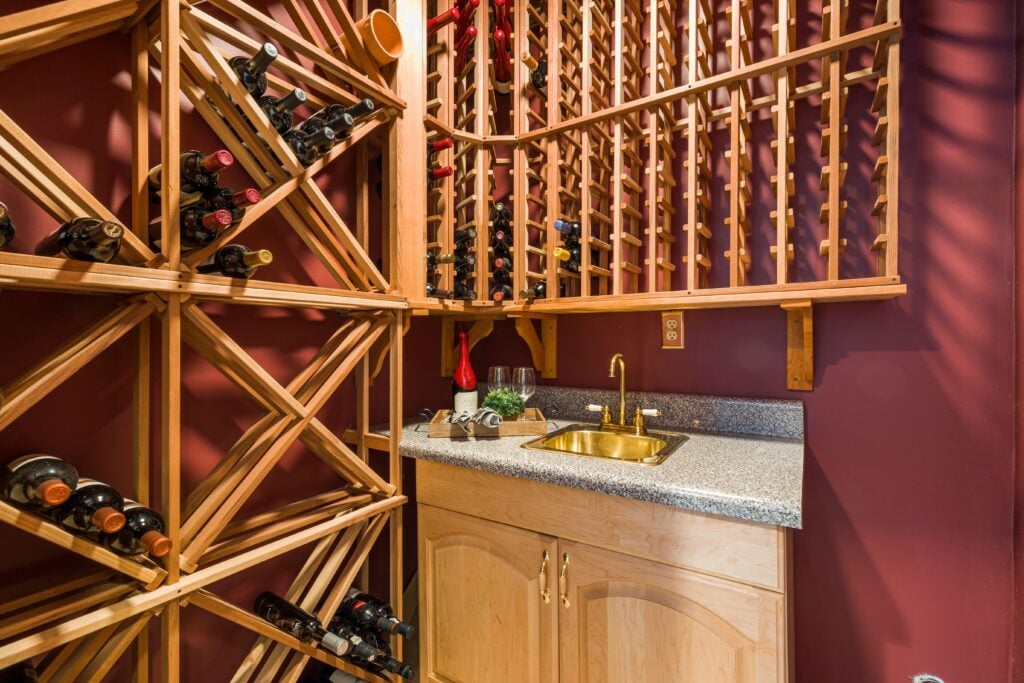
Wine Cellars
A custom wine cellar can be an attractive feature for wine collectors or frequent entertainers. For buyers who don’t share that interest, the same space might be more useful as general storage, a pantry, or part of another living area.
Expensive Built-In Features
Custom entertainment centers, elaborate shelving, and built-in cabinets can give a room a polished look, but they may limit how future owners use the space. If the layout or style doesn’t suit their needs, removing the built-ins can cost more than expected.
Luxury Bathroom Additions
A bathroom renovation can make daily routines more pleasant, but oversized soaking tubs, expensive fixtures, and spa-style extras can quickly drive up the budget. Many buyers care more about good lighting, practical storage, reliable plumbing, and a clean finish than expensive features they may rarely use.
Too Many Smart Home Features
Smart locks, automated lighting, connected appliances, and whole-home systems can add convenience, but the technology may become outdated or need replacement. Simple controls and widely compatible devices can be easier for future owners to use and maintain.
Swimming Pools in the Wrong Market
A swimming pool can be a major draw in warm areas where people use it year-round. In colder regions or neighborhoods where pools are less common, buyers may focus on upkeep, repairs, insurance, and safety costs rather than seeing it as a benefit.
Expensive Kitchen Upgrades Beyond the Neighborhood Standard
A beautiful kitchen can make a home more enjoyable, but high-end appliances, luxury stone counters, and custom cabinetry may be hard to recoup if nearby homes sell for much less. Before spending heavily, compare your home with similar properties in the area and decide whether the added expense fits the local market.
Before starting a major renovation, think about how often you’ll use the upgrade, what it will cost to maintain, and whether it could limit your home’s appeal later. Improvements that make daily life better without stretching your budget too far are often the ones homeowners feel best about.