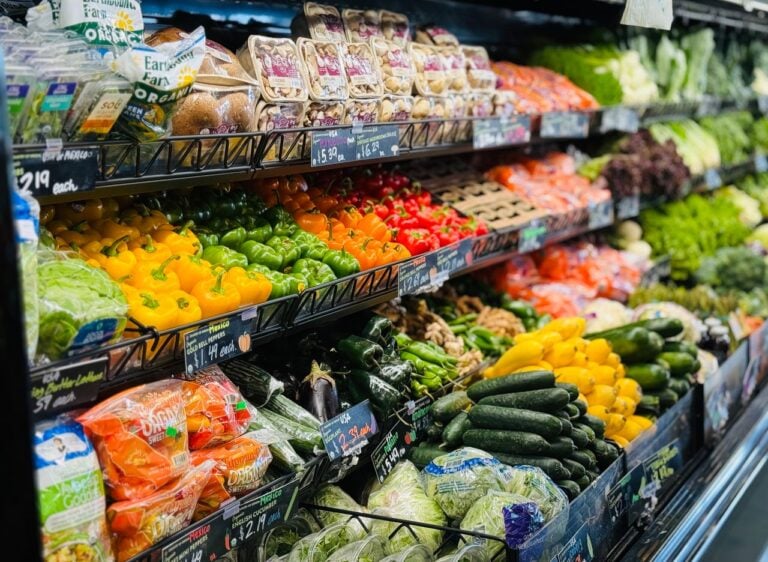
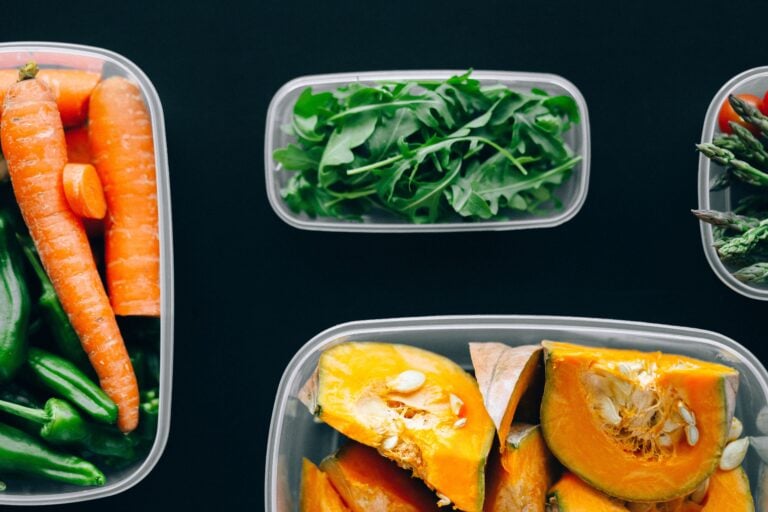
Grocery prices have changed the way a lot of us shop. When everything from cereal and coffee to bread and pantry staples costs more, it’s hard not to start looking at the cheaper option sitting right next to the name brand.
For many shoppers, that has meant giving store brands a chance. Maybe it started as a way to save a few dollars, but plenty of people have discovered that they actually like the less expensive version just as much.
And those shopping habits appear to be sticking. New research suggests shoppers aren’t simply settling for store brands because groceries are expensive. They’re increasingly choosing them for reasons that have little to do with price.
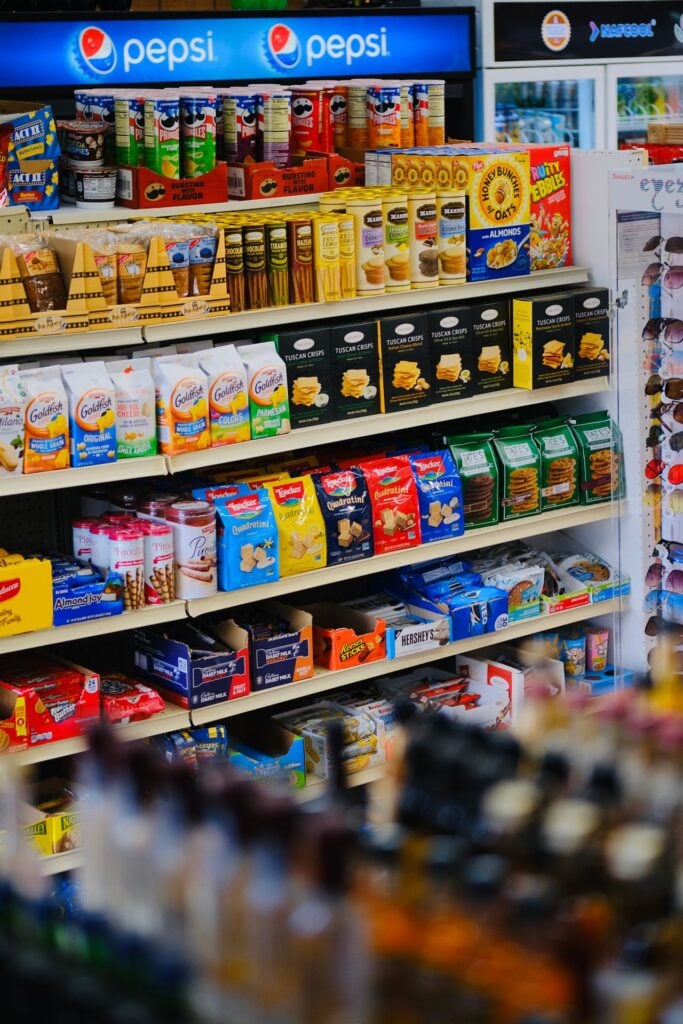
Store brands are in nearly everyone’s pantry
According to The Food Industry Association’s 2026 Power of Private Brands research, 92% of U.S. grocery shoppers surveyed said they currently have store-brand products at home. That’s up from 89% the previous year.
Nearly half of shoppers also said they bought more store brands over the past year. By comparison, 31% said they had increased their purchases of national brands.
The survey included 1,495 U.S. grocery shoppers ages 18 and older and was conducted in March 2026.
Price may get shoppers to try them, but something else keeps them coming back
Saving money is still an obvious reason to reach for a store brand, especially when grocery bills are already high. But once shoppers actually try those products, price doesn’t necessarily remain the deciding factor.
FMI found that quality and taste are becoming increasingly important reasons people buy more store-brand products. Among shoppers purchasing more private brands, 39% pointed to quality, up from 30% in 2023.
Taste has jumped even more. Thirty-seven percent now cite taste as a reason they’re buying more store brands, compared with 26% in 2023.
In other words, shoppers aren’t necessarily buying something simply because it’s cheaper. They’re buying it again because they actually like it.
Shoppers aren’t planning to switch back
One of the most interesting findings is what shoppers say they would do if grocery prices finally came down.
A whopping 94% said they would continue purchasing store brands even if grocery prices declined.
That’s a pretty strong indication that some shopping habits have permanently changed. A shopper who discovers that the less-expensive pasta, cereal or frozen vegetables work just as well for their household may not see much reason to start paying more for the familiar name again.
Store brands aren’t what they used to be
The store-brand section of the grocery aisle has also changed considerably. What was once associated primarily with inexpensive alternatives now includes premium foods, organic options, specialty products, and products designed around specific dietary or health preferences.
That broader selection gives shoppers more reasons to look beyond the traditional name brands they’ve purchased for years.
Younger shoppers are embracing them even faster
Store brands appear to be particularly popular among younger shoppers.
Fifty-nine percent of Gen Z shoppers said they had increased their private-brand purchases during the previous year, while 52% of Millennials said the same. Overall, that figure was 49%.
That matters because younger shoppers may be less attached to the household brands previous generations grew up buying. If a store’s own product delivers the taste, quality and price they’re looking for, the familiar label may simply matter less.
Shoppers are looking at value differently
For years, the appeal of store brands was fairly simple: buy the generic version and spend less.
That’s still part of the equation, but shoppers seem to be taking a broader view of what makes something a good value. Paying less helps, but getting a product you genuinely enjoy at that lower price can turn a one-time experiment into something you buy every week.
That doesn’t mean every store-brand product will beat the name-brand version. Taste is personal, and sometimes shoppers decide the original is worth paying more for.
But automatic brand loyalty may be harder to justify when so many alternatives sit on the same shelf.
The name on the package may matter less than it used to
High grocery prices may have encouraged more people to experiment with store brands, but the numbers suggest something more lasting has happened.
Shoppers tried them, found products they liked and kept buying them. With taste and quality becoming bigger reasons for choosing store brands, saving money may now be only part of their appeal.
And if 94% of shoppers plan to stick with store brands even if grocery prices fall, name brands may face a much bigger challenge than simply competing on price.
Other Topics You Might Like
- Want Cheaper Groceries? A New Study Says Skip Walmart and Shop Here
- These Grocery Chains Are Cheapest Across the Country
- 13 Foods Frugal People Leave Off Their Grocery Lists
- 12 Best Places to Grocery Shop on a Budget
- 14 Things Shoppers Dread The Most About Grocery Shopping
- 30 Cheap Dinner Ideas To Help Stretch Your Grocery Budget