A term is making the rounds online for something many people have done for generations: underconsumption. Instead of constantly replacing clothes, buying the newest products, or filling the house with more stuff, the idea is pretty simple. Use what you already have, and buy something new only when you need it.
In many ways, these habits aren’t new at all. They look a lot like the practical ways previous generations stretched what they had, avoided unnecessary waste, and made their money go further.

Wear Your Clothes Until They Actually Need Replacing
Keeping up with clothing trends can make a perfectly good wardrobe suddenly feel outdated. Instead of replacing clothes simply because styles change, wear what you already own for years and replace pieces when they’re actually worn out.
Ignoring trends can save money and make it easier to develop a personal style based on what you genuinely like, not what’s popular at the moment.
Related: Why I No Longer Donate All My Clothes to Thrift Stores
Finish What You Have Before Buying Another
Half-used bottles of lotion, shampoo, makeup, and skincare products have a way of accumulating. One of the simplest ways to consume less is to finish what you already have before buying or opening another.
It hardly sounds revolutionary, but that’s precisely the point. Using something to the last drop was once an ordinary way to avoid wasting both the product and the money spent on it.
Repair It Before You Replace It
A broken item doesn’t necessarily need to head straight for the trash. A loose screw, torn seam, broken handle, or other relatively minor problem may be repairable with a little work.
Before automatically buying a replacement, see whether you can fix what you already own. Even learning a handful of basic repair skills can keep useful belongings around much longer.
Save the Good Jars and Containers
Matching storage containers may look nice, but plenty of perfectly useful containers already come home from the grocery store. You don’t need to save every jar that enters the house, either. Keep the sizes you actually use and recycle the rest.
Skip the Paper Towels
Paper towels are convenient, but you also keep buying them only to throw them away. Reusable washcloths or Swedish dishcloths can handle many everyday spills and cleaning jobs before you wash and reuse them.
Keeping separate cloths for different purposes can make the switch more practical. You might have one group for countertops and everyday cleaning and another for dirtier household messes.
Related: I Stopped Using Paper Towels Just for Spills—Here’s What I Do Instead
Stop Buying Ziploc Bags for Everything
Disposable plastic bags aren’t the only way to pack a snack, store leftovers, or marinate food. Food-storage containers and reused glass jars can often accomplish the same thing and be washed afterward.
Disposable bags may still be useful, but they don’t need to be the default for every food-storage job.
Related: I Had No Idea You Could Do This With Ziploc Bags—Here’s How I Put Them to Work
Go Back to Bar Soap
Liquid hand soap and body wash have become bathroom staples, but a simple bar of soap can last surprisingly long without leaving another plastic bottle behind.
It’s an old-fashioned swap that doesn’t require much change to your routine. Use the bar until it’s gone, replace it, and repeat.
Make Some Household Products Yourself
Not everything is cheaper or easier to make at home, so this is one area where it pays to do the math first. But simple household products such as certain all-purpose cleaners can sometimes be made with ingredients you already keep around.
The same principle applies beyond cleaning products. If something is inexpensive and easy to make yourself, you may not need to buy a specialized version every time.
Make Everyday Coffee the Cheap Coffee
Coffee pods can feel economical compared with stopping at a coffee shop, but they’re still a recurring expense. Regular brewed coffee can be the everyday option, while pods or coffee-shop drinks become an occasional treat.
Underconsumption doesn’t have to mean eliminating everything you enjoy. Sometimes using the more expensive option less often is enough to noticeably reduce how much you buy.
Buy Furniture Secondhand
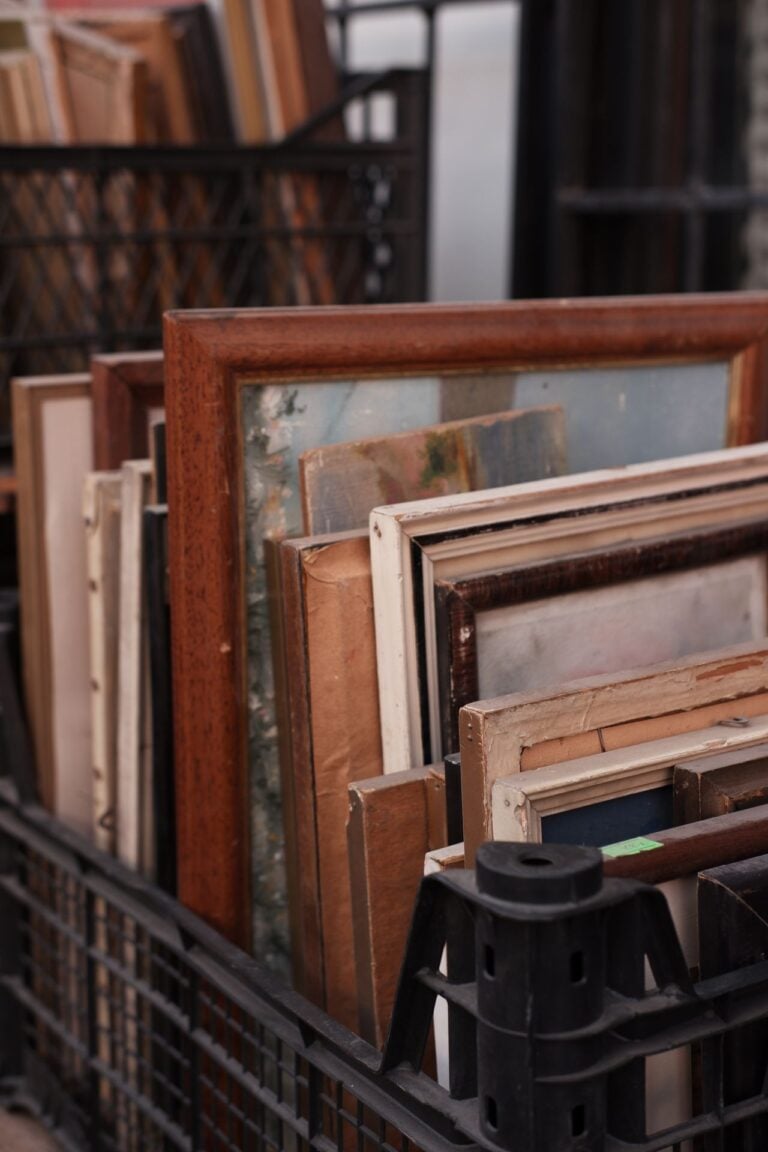
Furniture doesn’t have to come straight from a showroom to have years of useful life left. Couches, tables, dressers, chairs, and other pieces are frequently sold secondhand simply because someone is moving, redecorating, or no longer has room for them.
Shopping secondhand first can save money while keeping perfectly usable furniture in circulation instead of creating demand for something new.