The global collectibles market continues to grow, and stamp collecting remains a quiet but steady part of it. Known as philatelic trading, the stamp world is made up of collectors who buy, sell, and trade postal stamps based on condition, rarity, and historical value.
What many people don’t realize is that those small stamps tucked into an old album or forgotten in a drawer can sometimes be worth far more than their face value. Nostalgia, limited print runs, and meaningful historical moments all contribute to maintaining strong demand for rare and classic stamps.
Before you set aside a dusty collection for good, it may be worth taking a closer look. Some stamps have sold for enough to cover a major trip or more. Below are classic stamps that could turn a longtime keepsake into an unforgettable vacation.
The Mauritius “Post Office” Stamps (1847)
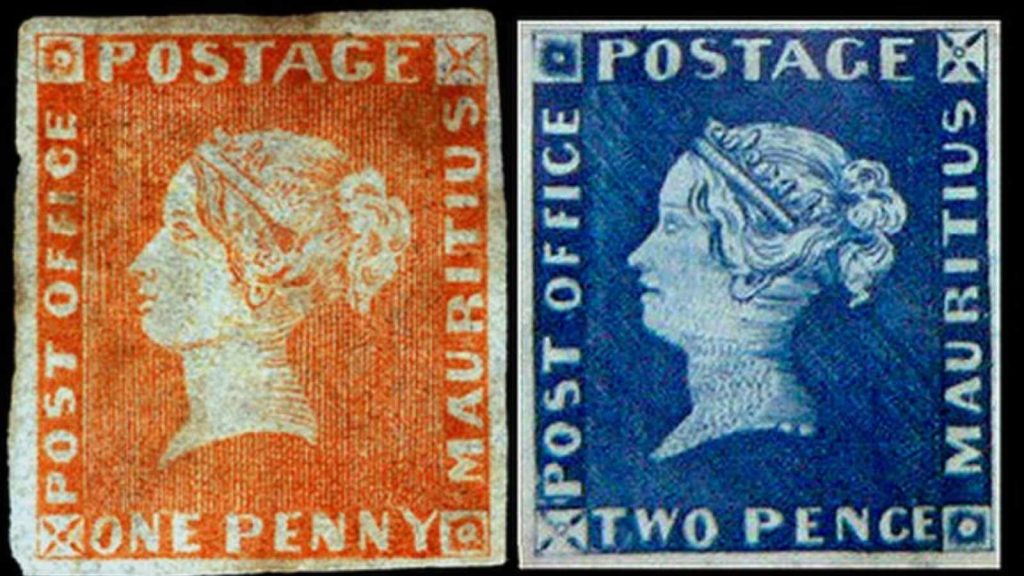
From Mauritius came the rarest and most coveted stamps, printed with the words’ Post Office’ instead of ‘Post Paid.’ Only 27 copies have survived; some have sold individually for more than $1.2 million.
Initially, the Governor’s wife released these stamps for fancy ball invitations.
Iconic Double VHS Movies from the Good Old Days
The Inverted Jenny (1918)
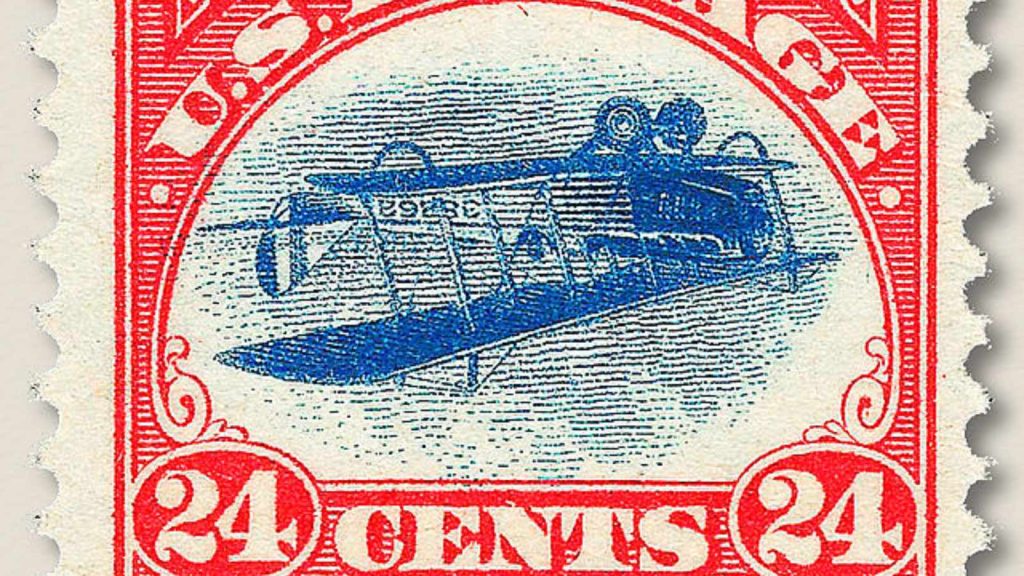
This is the holy grail of philately: a famous American airmail stamp, complete with an upside-down airplane (due to a printing error). Bank teller William T. Robey purchased the whole sheet for $24 and discovered the stamp.
Only 100 were released, and they are extremely rare and valuable. In 2021, one fetched $1.35 million! You have found a fortune if you see a red and blue biplane flying in the wrong direction.
British Guiana 1c Magenta (1856)
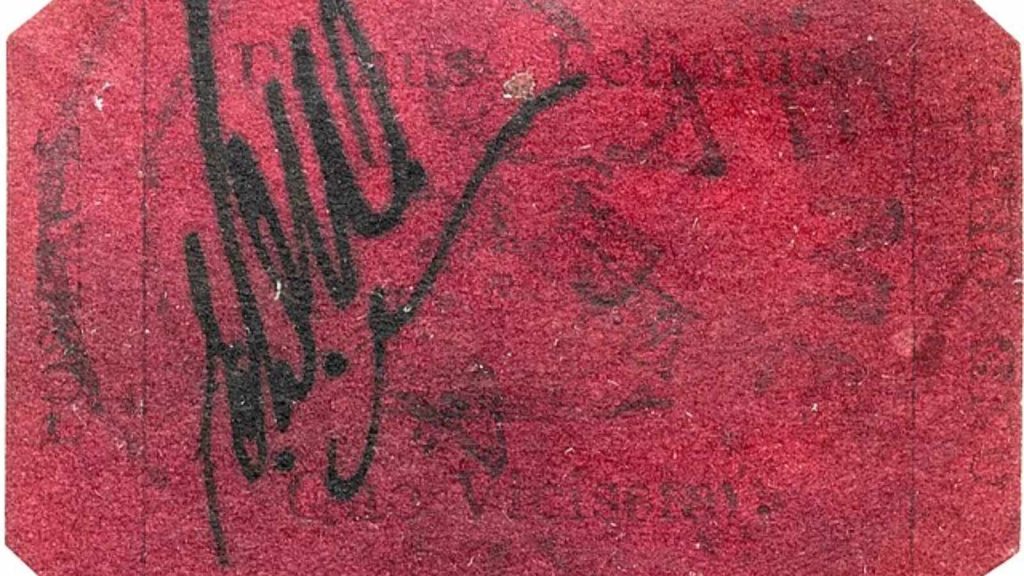
This one-of-a-kind piece, now famous for the price it fetched in the auction—a whopping $9.4 million in 2014—was dubbed the “Mona Lisa of Stamps.” This rarity, hand-stamped and issued in British Guiana (Guyana), is considered the world’s most valuable stamp.
This stamp was used in an emergency print run, and only one example remains. While it’s certainly unlikely to find another, it’s a reminder to always look out for the fine print when checking the stamps on old letters.
15 Vintage Home Appliances That Are Now Coveted Collector’s Gems
Penny Black (1840)
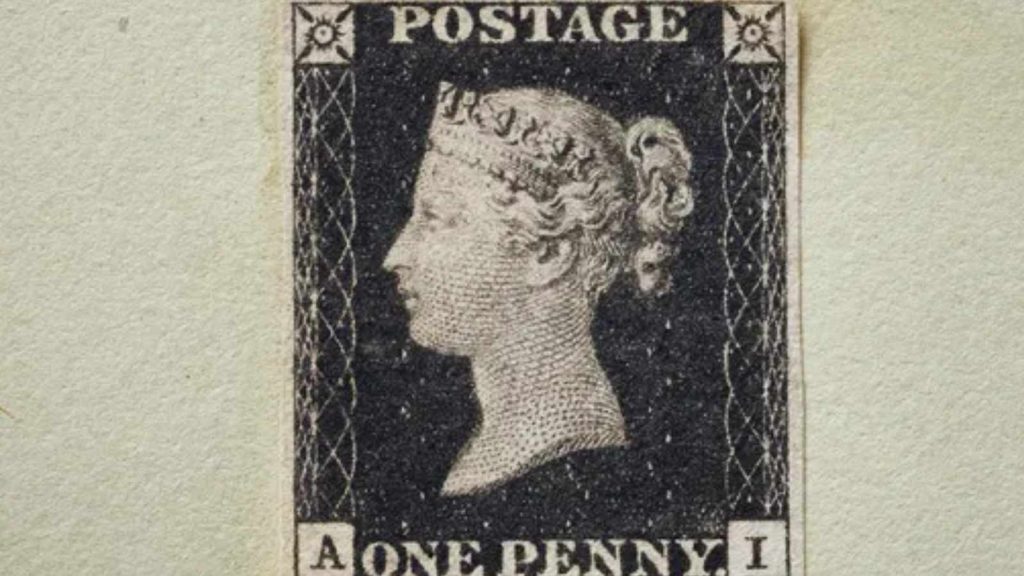
The Penny Black is the world’s first adhesive postage stamp and a must-have for any serious collector. Although millions were printed, thousands of dollars can be issued for unused or pristine ones.
One true piece of history is its timeless black-and-white Queen Victoria design, which could help fund your next royal getaway.
Treskilling Yellow (1855)
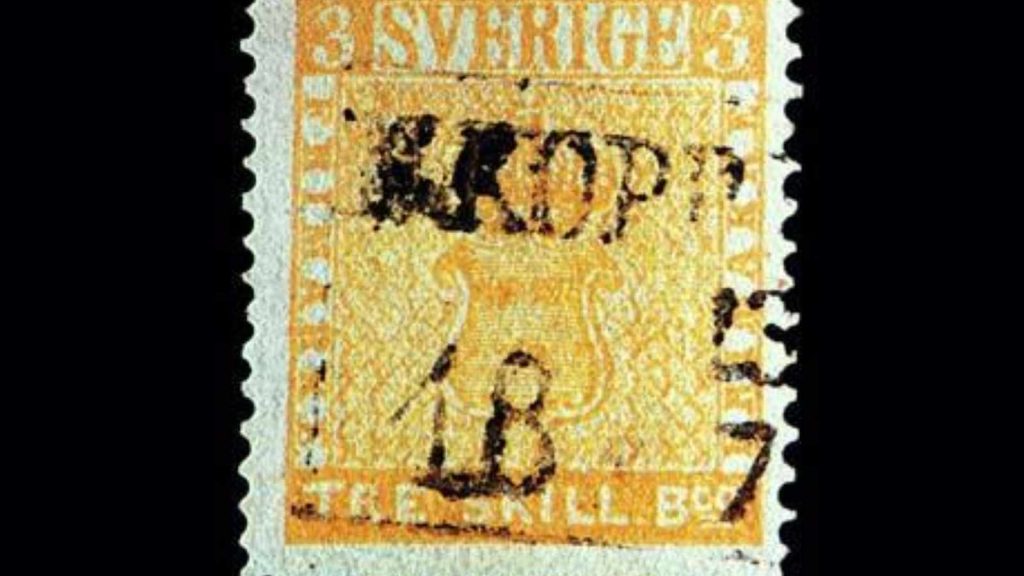
This is one Swedish misprint worth its weight in gold, literally! At first printed in green, a small batch was accidentally printed in yellow, making it one of the rarest stamps on the planet.
The last known sale reportedly raked in $2.3 million.
Related: The Best U.S. Cities for Vintage Shopping
Hawaiian Missionaries (1851)
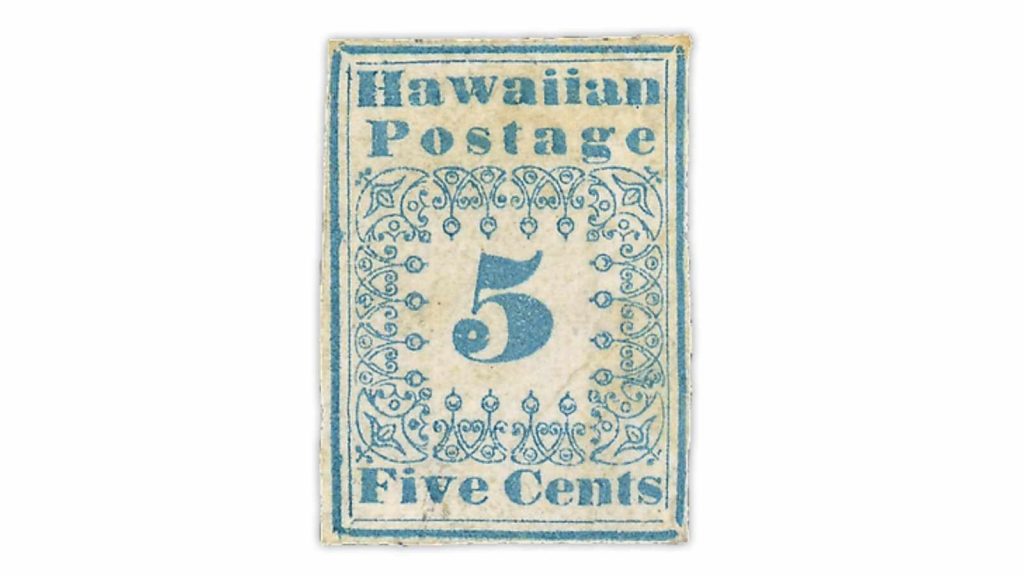
The rarity of these early Hawaiian stamps has skyrocketed their value, as the stamps were used to mail letters from missionaries to the mainland. The rarest is the 2-cent stamp, which is known to have just 15 copies.
A good-condition 2-cent Missionary sold for over $440,000 at auction in 1995. If you have an old Hawaiian collection, you may already have the money for a luxury island retreat.
10 Vintage Items You Can Sell for a Profit
The Z-Grill (1868)
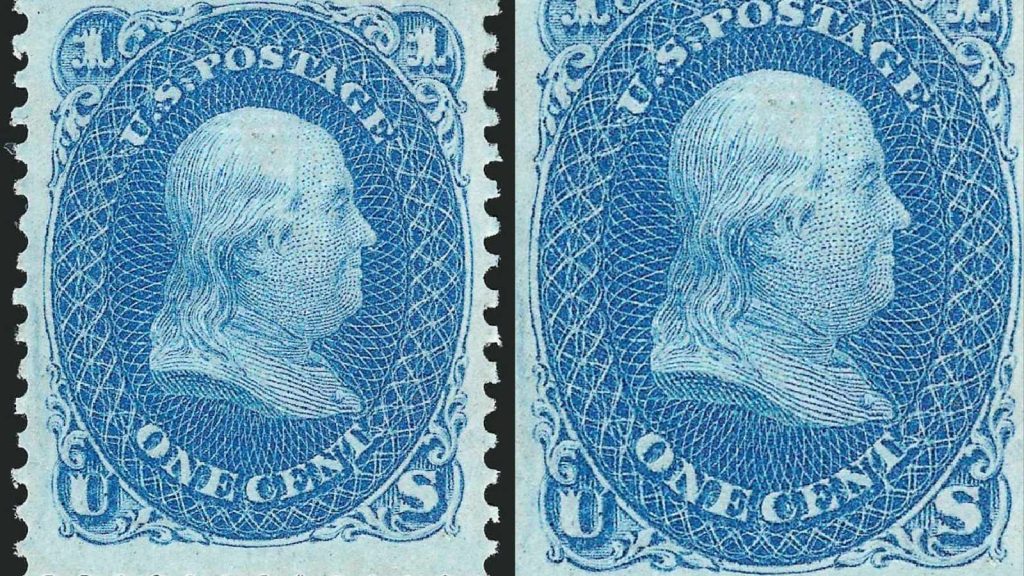
The famous Z-Grill texture was pressed into the paper to prevent reuse on this U.S. stamp featuring Benjamin Franklin. Only two 1-cent Z-Grills ever existed, one of which sold for $4.4 million in 2024.
If you’re collecting old Franklin stamps, look for that elusive grill pattern.
The Red Mercury (1856)
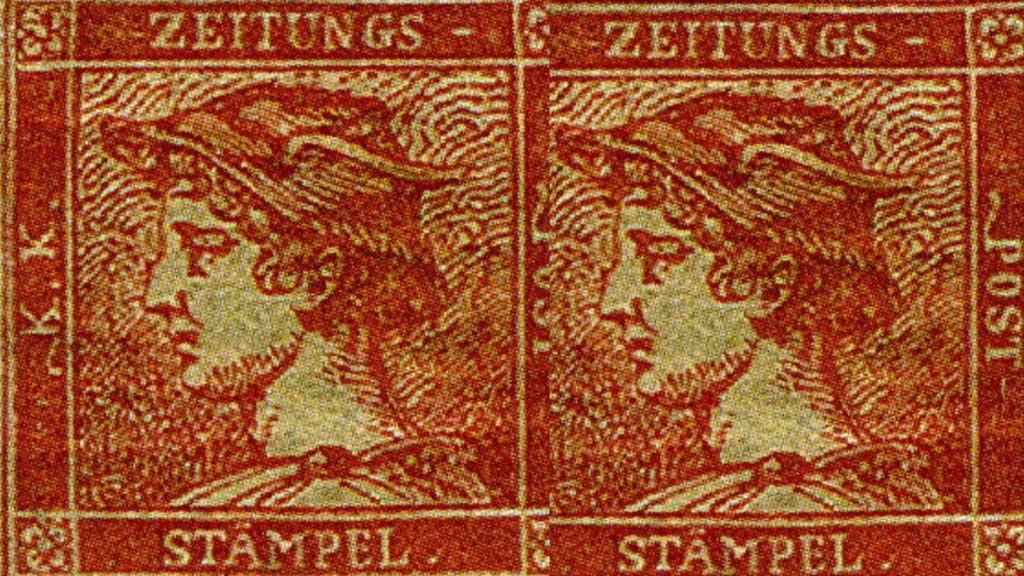
This Austrian newspaper stamp is one of the rarest in the world. It is named after its striking red design, featuring the Roman god Mercury. Only a few stamps survived, one recently selling for over $40,000.
You can snag one of these, even if you don’t collect Austrian stamps, and it could be your prelude to an epic getaway.
Canadian “Seaway” Inverted (1959)
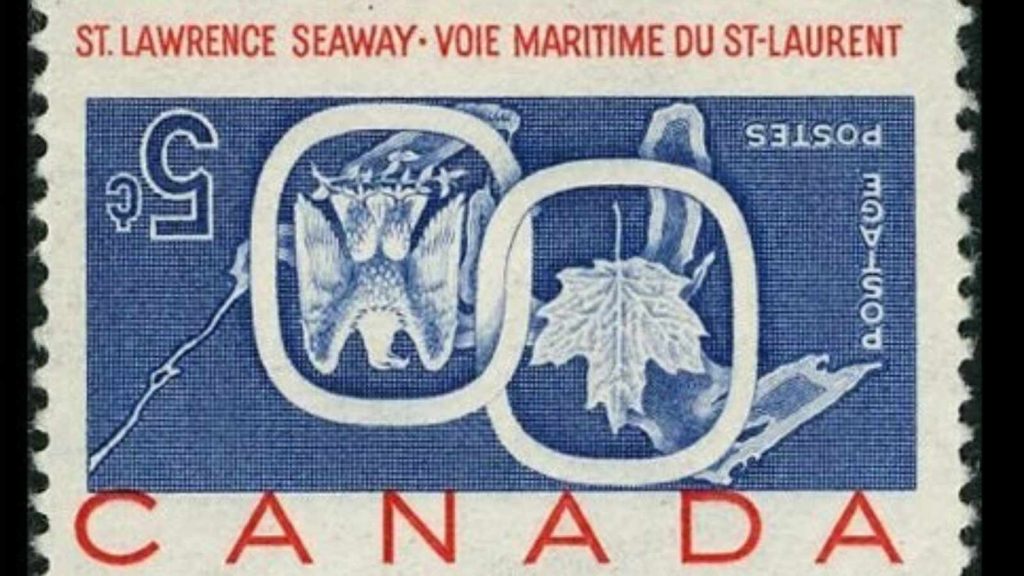
Flip your brain over to Canada, where a printer made this misprint with the incorrect image of a ship in the St. Lawrence Seaway. It’s a relatively modern piece, with only 400 created, making it highly prized by collectors.
These mint singles are worth around USD 16,000, the approximate equivalent of CAD 12,150—a fair price for a cruise down the St. Lawrence River.
13 Vintage CDs That Are Worth Big Bucks
Jenny Plate Block (1918)
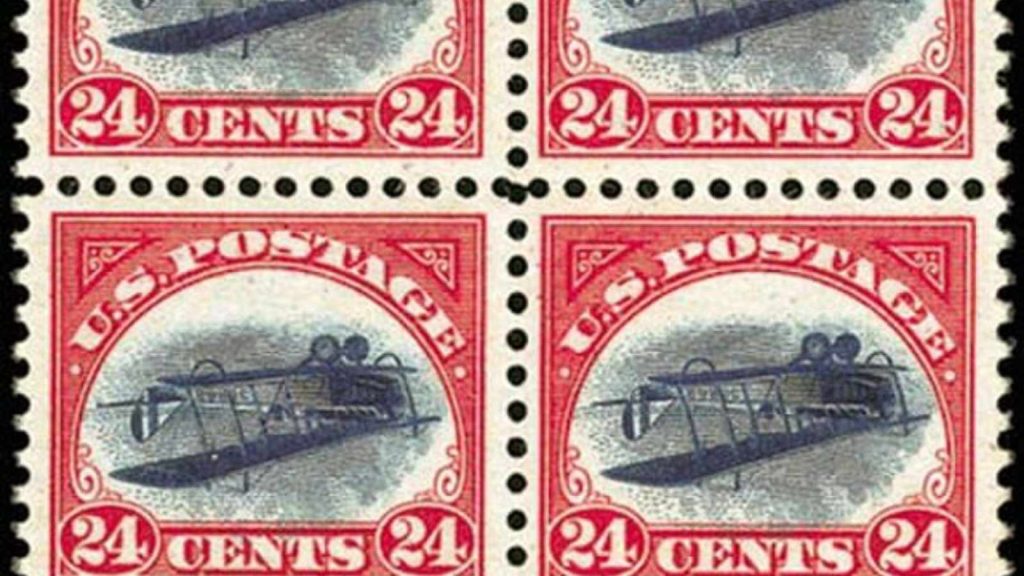
If the Inverted Jenny is the holy grail, then the Jenny Plate Block of four connected Inverted Jenny stamps is the ultimate treasure. At a 2021 auction at Sotheby’s, it sold for $4.9 million, the highest price ever for a philatelic item.
Basel Dove (1845)
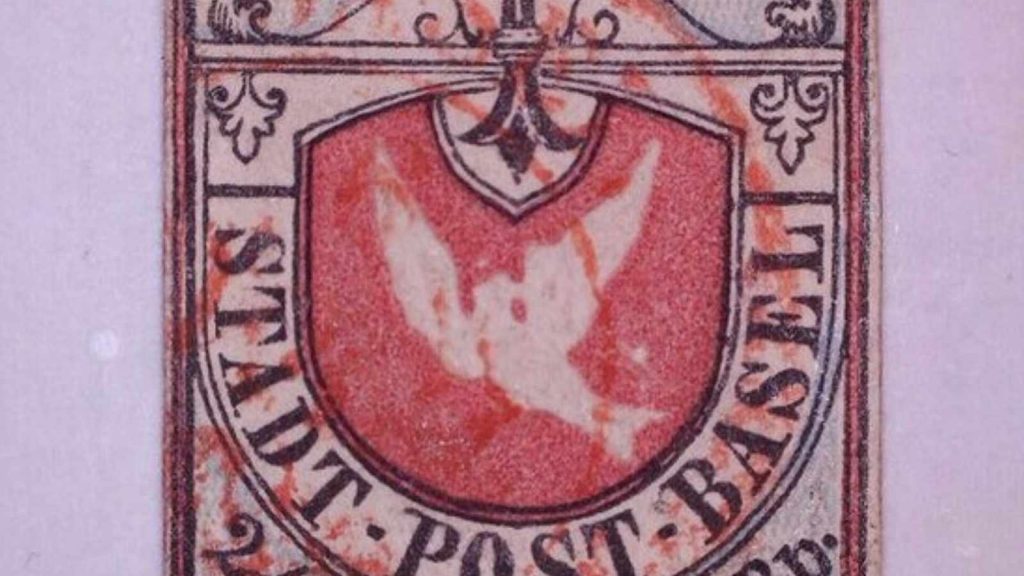
Switzerland’s Basel Dove stamp is one of the first to be printed in multicolor. It is a lovely blend of history and design. Pristine examples have sold for upwards of $20,000.
This treasure could easily fund a scenic adventure through the Swiss Alps.
U.S. Postage Due 1¢ (1930)

At first glance, this simple stamp may not look extraordinary; however, its rarity has collectors drooling. These postage-due stamps sold at auction for $1.3 million as a sheet.
For a single stamp, you can generate enough to have a luxury getaway to whatever destinations your heart desires.
Other Posts You Might Like
- 20 Collectibles in Your Parents’ House That Could Be Worth a Fortune
- 13 Random Items in Your Home That Could Be Worth Thousands
- From Oil Lamps to Porcelain Pigs, These Are the Strangest Things People Collect
- 13 Garage Sale Items That Collectors Actively Look For (and Pay Well For)
- 17 Everyday Items in Your Kitchen That Are Secretly Valuable