
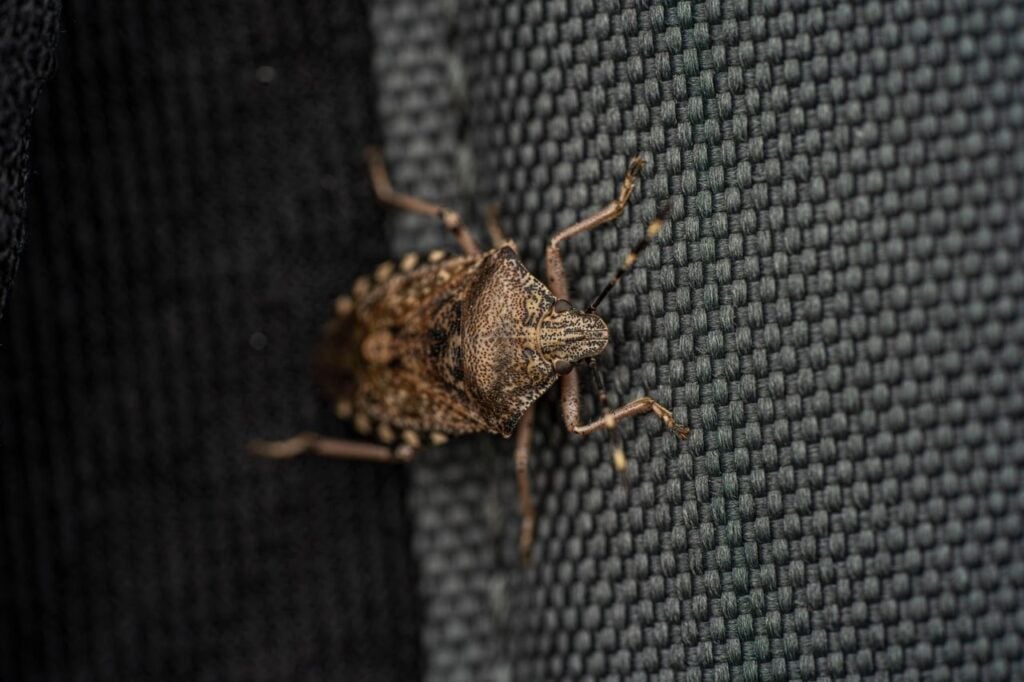
As temperatures drop, you might notice a few visitors gathering around your windows, crawling up the siding, or making their way across your ceiling. Chances are, you’re dealing with stink bugs.
These shield-shaped insects spend much of the warmer months outdoors, but when fall arrives, they start looking for a sheltered place to spend the winter. Unfortunately, your house offers exactly what they want.
Stink bugs don’t typically bite people or damage your home, but they can become a real nuisance, especially when several find their way inside. And if you’ve ever accidentally crushed one, you already know why they’re called stink bugs.
Fortunately, a few simple steps can make your home less inviting and keep them out.
Why stink bugs are showing up around your house
Stink bugs become particularly noticeable in September and October as they search for places to survive the colder months. You might spot them clustered around sunny windows, exterior walls, door frames, and other warm areas of your house.
They’re especially interested in small cracks and openings that lead into protected spaces, including attics and wall cavities.
Unlike some household pests, stink bugs generally aren’t reproducing indoors during winter. They look for a place to wait out the cold before becoming active again as temperatures rise.
That means preventing them from entering your home now can save you from dealing with them throughout the colder months.
Seal cracks around windows and doors
One of the most effective ways to keep stink bugs outside is to eliminate the openings they use to get in.
Walk around your house and inspect window frames, exterior doors, siding, and areas where pipes or cables enter the walls. Even small gaps can let insects squeeze through.
Use exterior-grade caulk to close cracks and replace worn weatherstripping around doors and windows. Also check that door sweeps fit snugly against the threshold.
Pay particular attention to areas where you’ve noticed stink bugs gathering. They’re likely looking for a way inside.
Related:
Check your window screens
Inspect screens for holes, loose edges, and gaps around the frames. Repair damaged mesh or replace screens that no longer fit properly.
If you like opening your windows during cooler fall afternoons, make sure the screens are secure before letting in the fresh air.
Don’t overlook attic vents and chimneys
Attic vents, roofline gaps, and other exterior openings can provide access to sheltered areas where these insects may spend the winter.
Inspect vent screens and replace any that are damaged or missing. Use appropriate pest-resistant screening on openings that can be safely covered, ensuring you don’t restrict necessary airflow.
Install properly fitted chimney caps for their intended use. Never cover an active chimney or exhaust vent with ordinary mesh that could create a ventilation or fire hazard.
Rethink your outdoor lighting
Some stink bugs are attracted to artificial light, particularly during their active periods. Try turning off unnecessary exterior lights at night or switching to warm, yellow-toned bulbs, which tend to attract fewer insects than bright, cool-white lighting.
You don’t need to leave your property completely dark. Just avoid keeping lights on unnecessarily near doors and windows where insects might find their way inside.
Keep vegetation away from the house
Stink bugs feed on a variety of plants, including vegetables, fruits, and ornamental plants. If you’ve been dealing with them in your garden all summer, you may notice more around the house as the weather cools.
Remove weeds and excess plant debris near the foundation, trim vegetation growing against the siding, and promptly harvest ripe garden produce.
These steps won’t eliminate stink bugs from your yard, but keeping the area around your house maintained makes it easier to spot potential entry points and reduces some of the sheltered spaces insects use.
Related: 12 Cheap Ways to Fill Raised Garden Beds
Cut down on hiding places indoors
Once stink bugs get inside, they tend to settle into quiet, undisturbed areas. You may find them behind curtains, near window frames, around attic openings, or tucked away in storage spaces.
Keeping these areas reasonably clean and organized makes it easier to notice insects before they become a bigger annoyance.
Vacuum corners, check around windows, and consider using sealed plastic storage bins instead of leaving items in open boxes.
Decluttering alone won’t keep stink bugs out, but it can make them easier to find and remove.
Remove stink bugs without crushing them
If a stink bug does make it inside, resist the temptation to squash it. Stink bugs release an unpleasant odor when threatened or crushed, and that smell can linger on nearby surfaces.
Instead, gently trap the insect using a cup and a piece of paper, then move it outside.
You can also vacuum up stink bugs, although the odor may remain inside the vacuum afterward. Emptying the collection container promptly can help.
For several bugs gathered in one area, use a container of soapy water to collect and dispose of them without crushing them.
Try a simple light trap
If stink bugs keep appearing indoors, a basic light trap may help catch some. Place a shallow container of water mixed with a little dish soap beneath a small light in a dark room. Some stink bugs may move toward the light and fall into the water.
Keep the setup away from children and pets, and position electrical equipment safely away from the water.
This won’t stop new stink bugs from entering your home, but it may help reduce the number already inside.
Stop them before winter arrives
Stink bugs are seasonal pests that seem to appear almost overnight. One day your windows are clear, and the next you’re wondering where all these shield-shaped insects came from.
The best time to deal with them is before they get inside. A little time spent sealing cracks, checking screens, and inspecting your home’s exterior can make a noticeable difference.
And if a few still manage to sneak inside, there’s no need to panic. They’re mostly looking for a quiet place to spend the winter.
Just remember to catch them rather than crush them. Your nose will thank you.