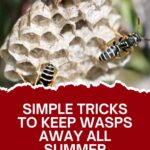
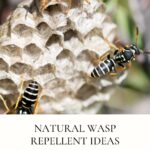
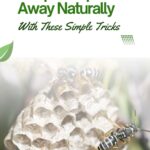
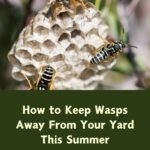
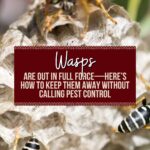
When the weather warms up, wasps seem to show up overnight. One minute you’re enjoying a quiet afternoon outside, and the next you’ve got a few hovering a little too close for comfort.
Wasps do have their place they help control garden pests and even assist with pollination but that doesn’t mean you want them hanging around your space. The good news is you don’t need to reach for chemical sprays or call pest control right away.
With a few simple, natural tricks, you can make your yard far less inviting to them.
Garlic
Crushed garlic has a strong scent that wasps tend to avoid. If you’re dealing with a problem area, try placing a few crushed cloves nearby. You can also mix garlic with water and use it as a quick DIY spray around spots where wasps keep showing up.
Related: Your Garlic Started Sprouting — Is It Still Safe to Eat?
Decoy Wasp Nests
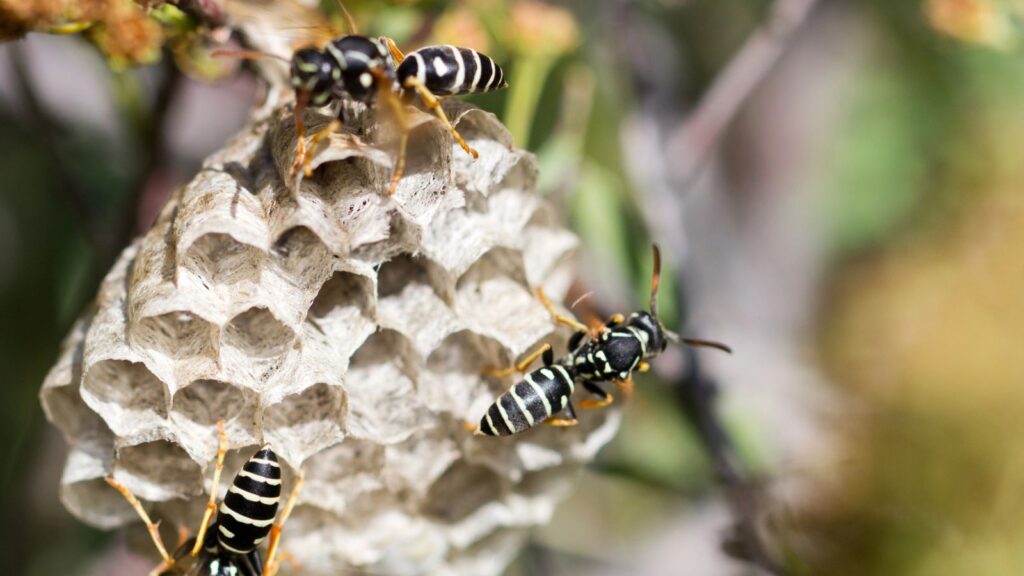
Wasps are territorial, especially early in the season when they’re looking for nesting spots. Hanging a fake wasp nest can trick them into thinking the area is already claimed, which often encourages them to move on before settling in.
Marigolds
Marigolds pull double duty in the garden. Not only do they add color, but their strong scent helps repel wasps and other pests. Plant them near entryways, seating areas, or anywhere you tend to notice wasp activity.
Bay Leaves
Bay leaves aren’t just for cooking. When crushed, they release a scent that wasps don’t like. Scatter a few fresh leaves around problem spots and refresh them every few days to keep the smell strong.
Mint
Mint is one of the easiest plants to grow and one of the most effective for keeping wasps away. Plant it in pots near outdoor areas or keep a few sprigs on the table.
Cinnamon
A sprinkle of ground cinnamon in areas where wasps gather can help drive them off. It’s thought to interfere with their scent tracking, making the area less appealing.
Peppermint Oil
Peppermint oil is a go-to natural repellent. Soak cotton balls and place them where wasps tend to linger, or mix a few drops of dish soap with water for an easy spray.
Essential Oil Blend
If you want something a bit stronger, combine clove, geranium, and lemongrass oils with water in a spray bottle. This blend is often used as a natural wasp deterrent and works well around outdoor living areas.
Citrus
Wasps aren’t fans of citrus scents. Scatter lemon or lime peels around your space or use a citrus-based spray to help keep them at a distance.
Related: I Had No Idea Lime Peels Could Do All This
Vinegar
Vinegar is another simple option you probably already have on hand. Set out small bowls or spray a diluted mix around entry points and areas where wasps seem to gather.
Eucalyptus
Eucalyptus has a strong scent that can mask the smells that attract wasps in the first place. Fresh branches work well as a natural decoration, or you can use eucalyptus oil for a more concentrated effect.
Lemongrass
Lemongrass gives off a bright, citrusy scent that helps repel wasps and other flying insects. Keep a pot nearby and crush a few stalks when you need an extra boost.
Basil
Basil is another herb that earns its keep. Plant it near doors or outdoor seating areas to help deter wasps while also having fresh herbs ready for the kitchen.