A coffee and a croissant can be a nice little treat, but one customer wonders how much extra they should expect to pay at checkout. After spending around $15 on their order, they’re shown suggested tips of 20%, 22%, or 25%, even though they’re ordering at the counter.
The customer doesn’t object to paying more for good coffee or supporting the people who work at the shop. They’re simply unsure whether a tip that large makes sense when the interaction involves placing an order and picking up their food.
In a recent post, they asked how much others tip at bakeries and coffee shops, especially when the business already adds an employee health benefits fee to the bill.
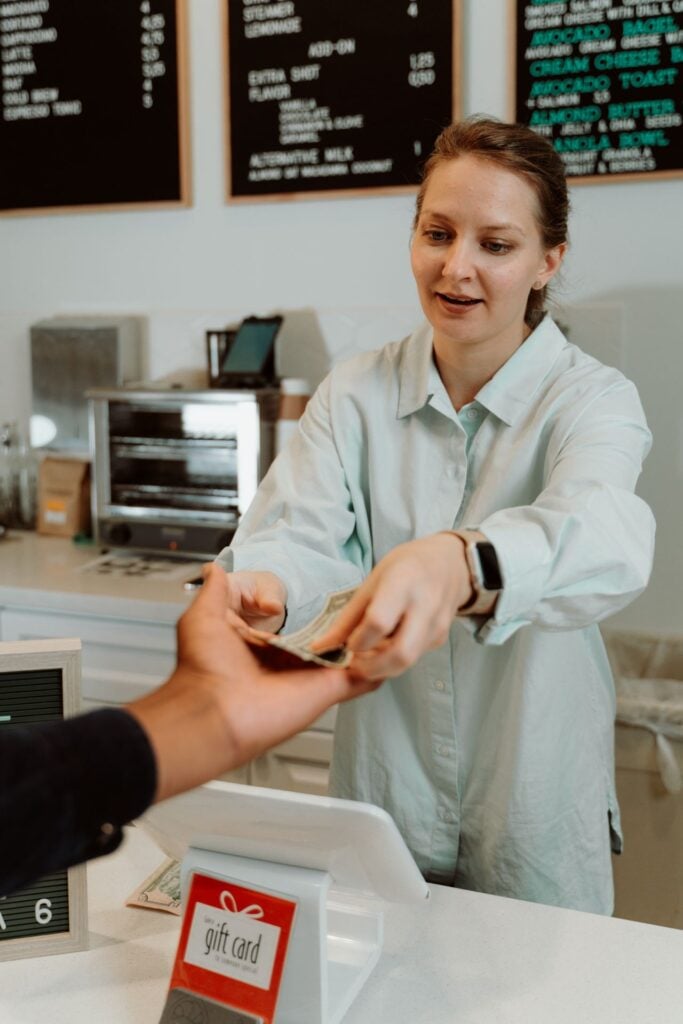
A $15 coffee-and-croissant order has them questioning the tip screen
The person who started the discussion said they were new to San Francisco and had noticed that a coffee and croissant could easily cost $15, compared with the roughly $10 they were used to paying on the East Coast.
They also said some shops added a 3% to 4% employee health benefits fee. They understood that they were paying more for premium coffee and didn’t object to the fee itself. What gave them pause was the additional tip prompt at checkout.
They wanted to know what would be fair to employees and whether choosing not to tip was reasonable when they were already paying more for the order and an added benefits fee.
Some customers said they skip the tip for counter service
Several people responding to the post said they don’t feel obligated to tip when they order at a counter and pick up their own food. For them, the distinction comes down to the amount of service involved rather than the percentage suggested on the payment screen.
One person described a personal system: no tip for a fully self-service order, 10% when an employee brings the order to their table, and at least 18% for full table service. Another said they leave nothing when ordering through a kiosk, a dollar when someone takes their order at the counter, and more when food is brought to their table.
Others encouraged the customer not to feel embarrassed about selecting zero. One person even said they had started carrying cash to avoid the uncomfortable moment of being handed a payment screen with suggested tip amounts.
Those responses suggest that, for some customers, a tip prompt is an option rather than an expectation—particularly when they’re paying before receiving their order.
Related: 12 Customer Tipping Habits That Create More Frustration Than Appreciation
Food-service workers offered another perspective
Some respondents felt that the discussion shouldn’t focus only on how long it takes to enter an order. A person who said they had worked in coffee shops, restaurants, and bakeries explained that they tip at all of those establishments because they know how demanding the work can be.
They said they choose the lowest suggested tip for self-service or partial-service orders and leave at least 20% at full-service restaurants.
Another person acknowledged that tipping 20% for counter service felt excessive to them but said they still chose to tip because they could afford it and recognized how expensive it was to live and operate a small business in San Francisco.
These responses highlighted a different way of approaching the question: some customers base their tip on the service they receive, while others also consider the people preparing the food and drinks behind the counter.
Related: When Did Buying Coffee Start Coming With a Tip Request?
The customer may need to decide what feels fair for each kind of service
The discussion didn’t produce one agreed-upon tipping rule. Instead, people shared the different approaches they use: choosing zero for counter pickup, leaving a dollar or two for a regular coffee order, or tipping a percentage to support food-service workers.
For the customer who asked the question, one option is to decide on a comfortable amount before reaching the register, rather than treating the suggested percentages as the only choices. They could also ask a shop how it uses its benefits fee and tips if that information would help them decide.
The payment screen may suggest 25%, but the responses show that customers have different ideas about what’s appropriate for a quick counter-service order, and many decide based on the service, their budget, and the business they’re visiting.