As temperatures rise, wasps often seem to appear out of nowhere. One day you’re relaxing outside with no problems, and the next you’re sharing your patio with a few unwanted visitors buzzing around.
Wasps actually play a helpful role in nature. They feed on many garden pests and can help with pollination, but that doesn’t mean you want them building nests near your home or hovering around outdoor gatherings.
Before reaching for harsh sprays or calling a pest control service, try a few simple methods that may make your yard less appealing to them.
Garlic
Garlic’s strong smell is unpleasant to many insects, including wasps. Place crushed garlic cloves near areas where you’ve noticed activity, such as patios, garden corners, or outdoor seating spaces.
You can also make a homemade spray by mixing crushed garlic with water and applying it around problem areas. Reapply after rain or whenever the scent fades.
Fake Wasp Nests
Wasps are protective of their territory and often avoid areas where another colony appears to already be established.
Hanging a fake wasp nest early in the season may discourage them from choosing your home as a nesting spot. Place one near sheds, porches, or other areas where wasps commonly search for shelter.
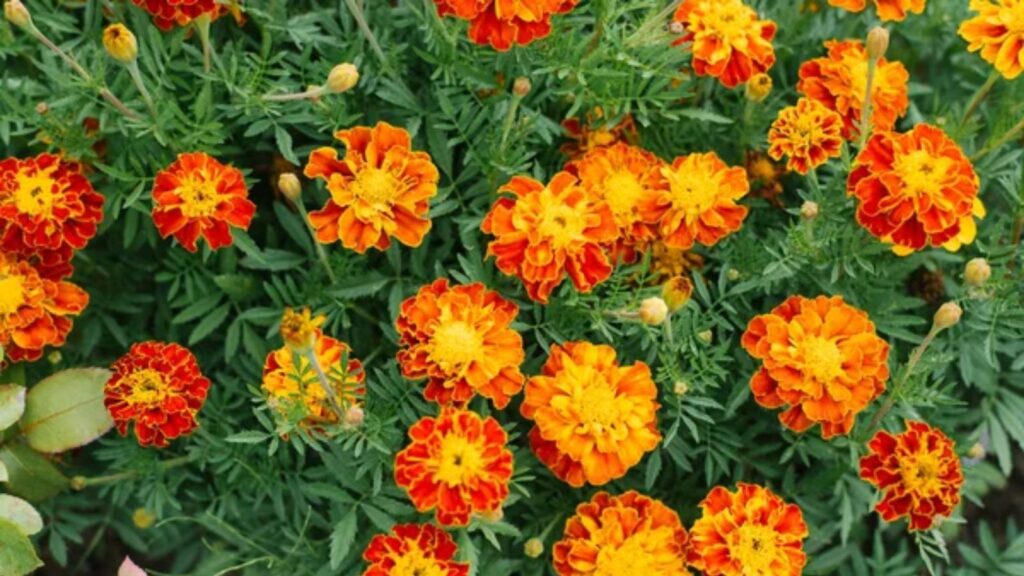
Marigolds
Marigolds are a favorite among gardeners for their bright blooms, but they may also help discourage certain pests.
Plant them near outdoor dining areas, walkways, or entrances where you want fewer insects. Their strong fragrance can make these spots less attractive to wasps.
Bay Leaves
Bay leaves are useful beyond the kitchen. Their strong aroma can help keep wasps away from certain areas.
Try placing crushed fresh bay leaves near outdoor tables, windows, or other spots where wasps tend to appear. Replace them every few days to maintain the scent.
Related: The 10 States Where Homes Are Most Likely to Have Pest Problems
Mint
Mint is easy to grow and has a strong smell that many insects dislike. Keeping mint plants in containers near patios or doorways can help create a natural barrier around outdoor spaces.
Since mint spreads quickly, growing it in pots can make it easier to manage while keeping it close to areas where you spend time.
Cinnamon
Cinnamon’s strong scent may help discourage wasps from lingering. Sprinkle ground cinnamon in areas where you frequently see them, such as corners of patios or near outdoor furniture.
While it won’t eliminate an existing nest, it can make certain areas less inviting.
Related: 10 Household Items That Could Be Attracting the Worst Summer Bugs
Peppermint Oil
Peppermint oil is one of the more popular natural options for deterring wasps. Add a few drops to water and spray the mixture around places where wasps tend to gather.
You can also soak cotton balls with peppermint oil and place them near outdoor areas. Refresh them regularly as the scent weakens.
Homemade Essential Oil Spray
A mixture of clove, geranium, and lemongrass oils is often used as a natural insect deterrent.
Combine a few drops of each oil with water in a spray bottle and apply it around patios, fences, and other outdoor areas. Test the mixture on a small surface first to avoid damage.
Citrus Peels
Wasps are known to dislike strong citrus smells. Lemon and lime peels can be placed around outdoor areas where you’ve noticed activity.
A citrus-based spray may also help keep wasps away from tables, porches, and other gathering spots.
Vinegar
Vinegar is a simple household item that may help discourage wasps. Place small bowls of vinegar near areas where they appear, or create a diluted vinegar spray for outdoor surfaces.
The smell can make certain spots less appealing, especially around garbage areas or outdoor food spaces.
Eucalyptus
Eucalyptus has a strong fragrance that many insects avoid. Fresh eucalyptus branches can be placed around outdoor seating areas, or eucalyptus oil can be mixed with water and sprayed around problem spots.
The scent may help cover odors that attract insects.
Lemongrass
Lemongrass produces a fresh citrus scent that can help keep flying insects away. Plant it in containers near patios, decks, or entrances where you spend time outdoors.
Crushing the leaves occasionally releases more of the natural oils and strengthens the scent.
Basil
Basil is useful in the garden and kitchen, and it may also help discourage wasps. Place pots of basil near doors, windows, or outdoor dining areas.
You’ll have fresh herbs nearby while adding another plant that may make your outdoor space less attractive to unwanted insects.
A few simple changes around your yard can make a noticeable difference. While these natural methods won’t remove an established nest, they can help reduce wasp activity and make outdoor spaces more comfortable throughout the warmer months.