Every year, people drop off bags of clothes, furniture, books, kitchenware, and other household items at Goodwill. Plenty of those same people also shop there, looking for inexpensive finds and the occasional unexpected treasure.
But after you hand over your donations, a natural question comes up: What happens to the money after those items are sold?
If your old sweater sells for $5 or a donated dining table brings in $100, that money doesn’t go to a private owner or a group of shareholders. Goodwill is a nonprofit organization, and sales revenue helps pay for its mission, including employment programs, job training, and other community services.
The details can vary from one Goodwill organization to another, but here’s where the money generally goes.
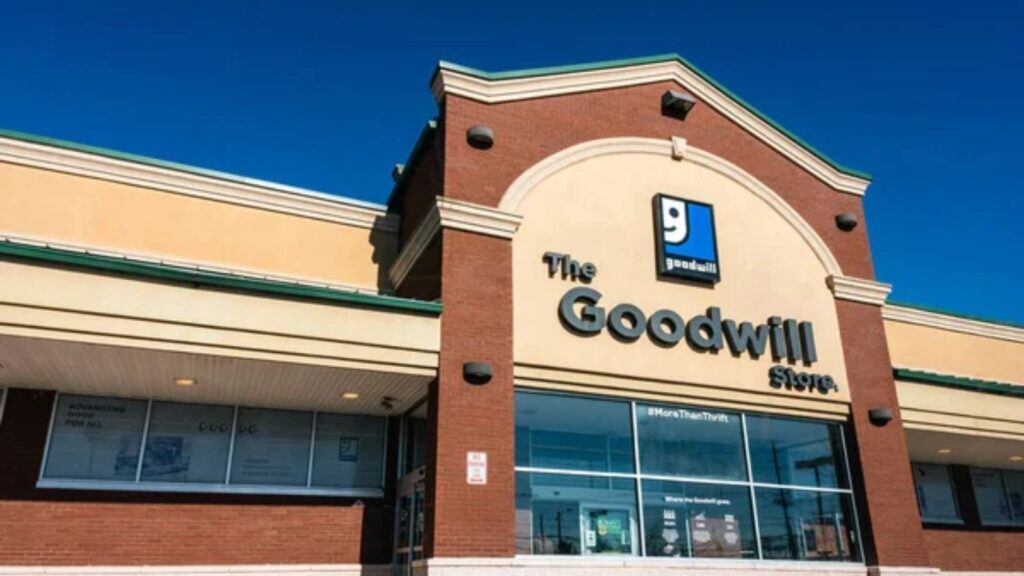
Goodwill Uses Sales Revenue for Job Training and Employment Services
A major part of Goodwill’s work centers on helping people find employment and develop skills they can use to earn a living.
Depending on the location, programs may include training for healthcare, customer service, construction, information technology, office work, manufacturing, and logistics. Local organizations may also offer help with resumes, interview preparation, career counseling, job searches, and basic computer skills.
Goodwill programs can serve people facing different barriers to employment, including veterans, people with disabilities, young adults, people returning to work after incarceration, and workers who have been unemployed for long periods.
The goal goes beyond helping someone land a single job. Training and employment services can give participants skills and support they can use as they continue working and building their careers.
Related: 12 Low-Stress Jobs Retirees Can Do Without Experience
Donations Can Help Fund Other Local Services
Job training is just one part of what some Goodwill organizations offer. Depending on where you live, your local Goodwill may provide or help connect people with services that make it easier to find and keep a job.
These can include financial education, access to computers and internet, transportation assistance, childcare referrals, housing support, and other community resources. Goodwill organizations may also work with schools, government agencies, employers, and other nonprofit groups.
There’s another detail that can be easy to miss: Goodwill isn’t one single organization operating every store across the country. It is a network of independent local organizations.
Because of that structure, the money raised by a particular Goodwill can help fund programs in that organization’s service area. What happens with the revenue can vary from one region to another.
Related: The Public Library Might Be the Most Underrated Free Resource Around
Some Revenue Pays for Store Operations
Goodwill stores still have plenty of ordinary business expenses. Selling donated goods requires employees, buildings, vehicles, warehouses, equipment, utilities, technology, and other resources.
Some of the money from sales goes toward those costs. Employees have to sort through donations, price merchandise, stock shelves, operate registers, clean stores, move inventory, and process items that can’t be sold in a particular location.
Transportation and storage can also add up, especially for an organization handling large quantities of donated merchandise.
Related: Goodwill’s official organization information
These expenses may seem less exciting than the programs donors picture when they drop off a bag of clothes, but they are part of what makes the donation system work. Without stores, employees, transportation, and processing facilities, there would be no practical way to turn donated goods into revenue for community programs.
What Happens to Items Goodwill Can’t Sell?
Not everything that gets donated ends up on a store shelf. Some items are damaged, outdated, incomplete, or simply don’t sell.
Depending on the local organization and the type of merchandise, unsold goods may be moved to another Goodwill location, sold through outlet or clearance operations, recycled, or handled through other channels.
This is one reason the donation process involves much more than putting an item on a shelf and waiting for someone to buy it. Donated merchandise has to be sorted and handled before it can generate any revenue.
Does Every Goodwill Spend Money the Same Way?
No. Since Goodwill operates through separate local organizations, spending and programs can differ by region.
One location might put more resources into job training, while another may have programs focused on people with disabilities, youth employment, or other local needs. Operating expenses can also differ based on local wages, rent, transportation, and the size of the organization.
So there isn’t one universal breakdown showing exactly where every dollar from every Goodwill store goes.
Your Donation Has a Purpose Beyond the Thrift Store
The next time you drop off a bag of clothes or find a bargain at Goodwill, it’s easy to think only about the item changing hands. There’s a larger process behind that sale.
Donated goods provide merchandise for the stores, while the revenue helps local Goodwill organizations pay their employees, run their facilities, and fund programs that support employment and community needs.
The exact use of the money depends on the Goodwill organization serving your area, but the basic idea is straightforward: donated items can be turned into revenue that helps fund the organization’s nonprofit mission.