Before loading up your car with unwanted belongings and heading to your local thrift store, take a closer look at what you’re donating. Even if an item appears on the store’s list of accepted donations, there’s no guarantee they’ll take it.
The condition of your belongings matters just as much as what you’re donating. In some cases, unwanted donations can actually cost thrift stores money rather than help support their charitable programs.
Here are five reasons thrift stores may turn away your donations.
Excessively Worn Items
There’s a difference between gently used and worn out. Clothing with holes, shoes with worn-out soles, and furniture with badly damaged upholstery may have reached the end of their useful life and are unlikely to sell.
Items Covered in Pet Hair
That couch, blanket, or upholstered chair your dog loves may not be suitable for donation. Take the time to thoroughly remove pet hair from clothing, furniture, and other household items before dropping them off.
Dirty or Stained Items
Thrift stores need to process donations and get them onto the sales floor as efficiently as possible. Clothing with stubborn stains, dirty household goods, and soiled furniture can create additional work for employees and may ultimately end up in the landfill.
Items That Need Repairs
You might think someone else could easily fix that broken dresser drawer or damaged piece of furniture. However, most thrift stores aren’t equipped to make repairs, and donating something that needs work leaves them responsible for an item they may not be able to sell.
Items That Can’t Withstand Repeated Handling
Donated items are often moved several times between the donation area, sorting stations, storage areas, and the sales floor. Furniture with loose joints, unstable legs, or deteriorating materials may not survive this process, even if it was still usable in your home.
Unusable Donations Cost Thrift Stores Money
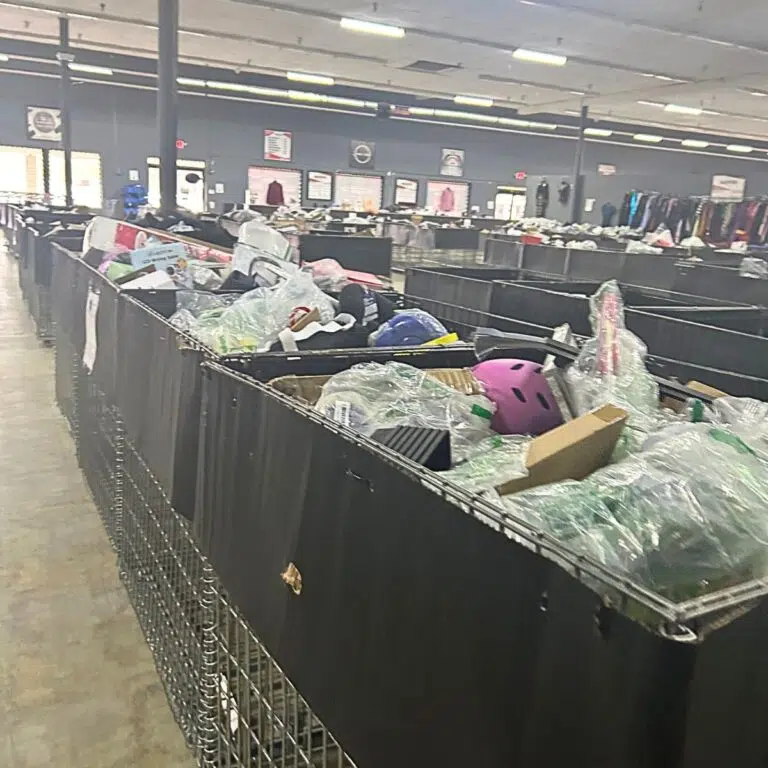
Many people assume thrift stores can find a use for just about anything. Unfortunately, when donated items cannot be sold, recycled, or reused, stores may have to pay to dispose of them.
In fact, St. Vincent de Paul of Alameda County identifies landfill disposal as its largest store expense. For nonprofit thrift stores, money spent disposing of unusable donations is money that could otherwise help fund charitable programs and community services.