When I first started gardening, I thought watering was pretty straightforward. If the soil looked dry, I watered it. If it rained, I figured I was covered for a while.
It didn’t take long for me to realize that plants don’t all want the same thing. Some need water often, some prefer to dry out between waterings, and newly planted plants can need much more attention than established ones.
Now I pay much closer attention to the plants themselves, the soil, and the weather before I reach for the hose. For smaller plants, I like using a galvanized steel watering can, while a garden hose with an adjustable nozzle makes watering larger areas much easier.
Water is a big part of keeping plants healthy. It helps move nutrients through the plant, supports new growth, and keeps roots functioning properly. But too much water can be just as troublesome as too little. Root rot, wilted leaves, yellowing foliage, and stressed plants can all be signs that something is off.
Soil type, temperature, rainfall, container size, sunlight, and the time of year can all change how quickly soil dries out. That’s why I don’t use one watering schedule for everything in my garden anymore.
Container Plants
Plants growing in pots tend to dry out much faster than plants growing directly in the ground. There’s simply less soil available to hold moisture, and containers can heat up quickly during warm weather.
I usually check my potted plants every few days by feeling the top inch of soil. If it feels dry, I give the plant a thorough watering and let the excess drain out.
If you have a habit of forgetting about your houseplants or outdoor containers, indoor plant watering globes can help provide a more steady supply of moisture.
Newly Planted Flowers, Shrubs, and Trees
New plants need more attention than established ones. Their roots haven’t had time to spread through the surrounding soil, so they can dry out much faster.
For the first few weeks after planting, I keep a closer eye on the soil and water when needed. New trees and shrubs can take even longer to get established, so they may need regular watering during dry weather.
A tree watering bag is handy for this because it slowly releases water around the base of the tree. It saves you from standing there with a hose and helps get water into the soil over a longer period.
Flowering Plants
Flowering plants can be a little particular about moisture. Many do best when the soil stays reasonably consistent instead of going from bone dry to soaked.
I try to check flowering plants more often during hot or dry stretches. If the soil is drying out quickly, they may need water more often.
That doesn’t mean keeping them constantly wet. Too much moisture can cause its own problems, especially if the soil drains poorly.
Lawns
Lawns usually do better with a thorough watering rather than a quick sprinkle every day. A common guideline is around an inch of water per week, including rainfall, though the right amount depends on the type of grass, weather, soil, and local conditions.
I’d rather water deeply and give the soil time to dry slightly than run the sprinkler for a few minutes every day.
A lawn sprinkler system can make this easier, especially if you have a larger yard. It also helps distribute water more evenly than trying to do the whole lawn by hand.
Trees and Shrubs
Established trees and shrubs usually don’t need to be watered as often as smaller plants. Once their root systems are well established, they can draw moisture from deeper in the soil.
That doesn’t mean they can go without water forever. During long periods without rain, especially during very hot weather, they may still need a thorough soaking.
Newly planted trees are a different story. Their roots are still getting established, so they need regular watering until they can draw enough moisture from the surrounding soil on their own.
Vegetables and Herbs
Vegetable gardens can dry out quickly, especially raised beds that get plenty of sun.
I try to keep the soil consistently moist while vegetables are growing, checking it before watering instead of following a strict calendar. Hot weather can mean plants need water more often than they did a week earlier.
Deep watering is usually better than giving the garden a little splash every day. For raised beds, a raised bed drip irrigation kit can make watering much easier and help deliver moisture closer to the roots.
Herbs can vary quite a bit, too. Some like regular moisture, while others prefer their soil to dry out a little between waterings.
Succulents and Drought-Tolerant Plants
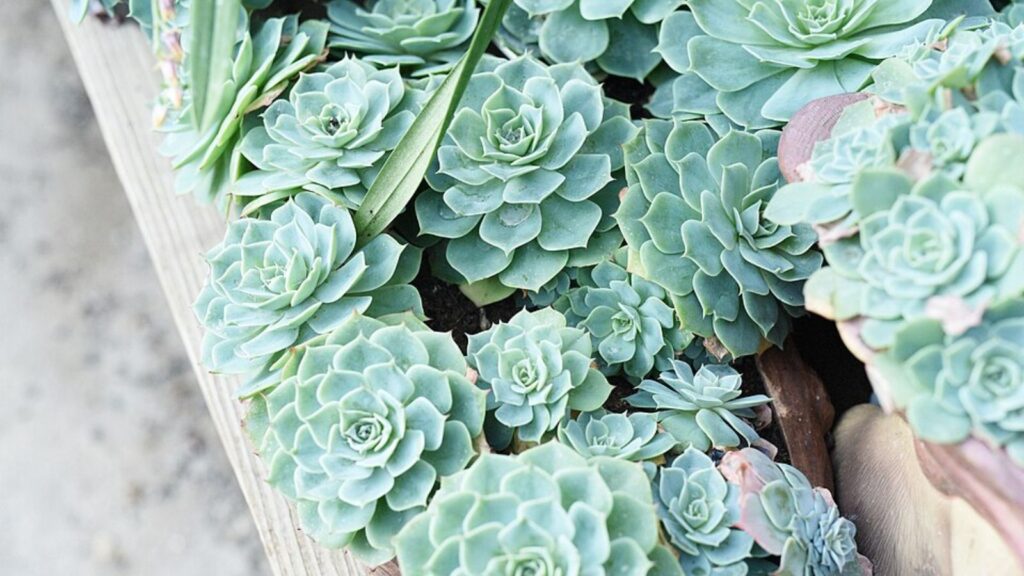
Succulents taught me that watering less can sometimes be the better choice.
I used to check on them constantly and give them water because the soil looked dry. That was a mistake. Many succulents and cacti store water in their leaves or stems, so they can handle dry conditions much better than plants with high moisture needs.
I now wait until the soil is completely dry before watering most of my succulents. When I do water them, I give them enough to reach the roots and let the excess drain away.
The biggest mistake with these plants is usually watering too often.
Related: 10 Ways to Get Your Tomato Plants to Produce More Without Planting More
Indoor Plants
Houseplants can have very different watering needs, which is why I stopped giving all of mine water on the same day.
Many indoor plants prefer the soil to dry somewhat between waterings. Others, such as peace lilies, tend to prefer more consistent moisture.
Snake plants are a good example of a plant that doesn’t need much water. These snake plants are pretty forgiving and can handle the soil drying out between waterings.
Light also makes a difference. A plant sitting in a bright, warm window may dry out much faster than the same type of plant sitting in a cooler, lower-light spot.
I’ve found that checking the soil before watering works much better than blindly following a schedule. A quick touch of the soil can tell you a lot, and it only takes a few seconds.
The biggest lesson I’ve learned is that there isn’t one watering routine that works for every plant. A potted flower, newly planted tree, vegetable garden, succulent, and houseplant can all need very different amounts of water.
Once I stopped treating the whole garden the same and started paying attention to what each plant was telling me, watering became much easier. And honestly, I spend less time worrying about whether I’m giving my plants too much or too little.