There’s something really satisfying about bringing home a fresh loaf of bread. Maybe it’s a crusty sourdough from a local bakery or a soft sandwich loaf from the grocery store. Either way, fresh bread can make an ordinary breakfast or dinner feel a little better.
Then you open the bag a few days later and find that the bread has turned dry and hard.
If that happens often, your bread may not be the problem. Where you keep it can make a big difference, and one of the most common storage spots is actually one of the worst.
The Refrigerator Can Make Bread Go Stale Faster
It seems like the refrigerator should help bread last longer. After all, cold temperatures help preserve plenty of other foods, so putting a loaf in the fridge can feel like the sensible thing to do.
Bread works differently. The cold temperature speeds up changes in the starches that give fresh bread its soft texture. That’s why a loaf kept in the refrigerator can become firm and stale much sooner than one stored at room temperature.
The fridge can help slow mold growth, which is useful in some situations, but the tradeoff is a loaf that may become dry and tough before you have a chance to finish it.
Related: 15 Food Brands People Swear Are Worth the Hype
Where Should You Keep Bread Instead?
If you expect to eat the loaf within a few days, room temperature is usually your best bet. A pantry, countertop, or bread box can work well, as long as the area stays reasonably cool and dry.
For sliced sandwich bread, keeping it in the original bag and closing it tightly after each use is usually enough. Try to keep the loaf away from direct sunlight, the stove, and other warm areas that can cause the bread to dry out faster.
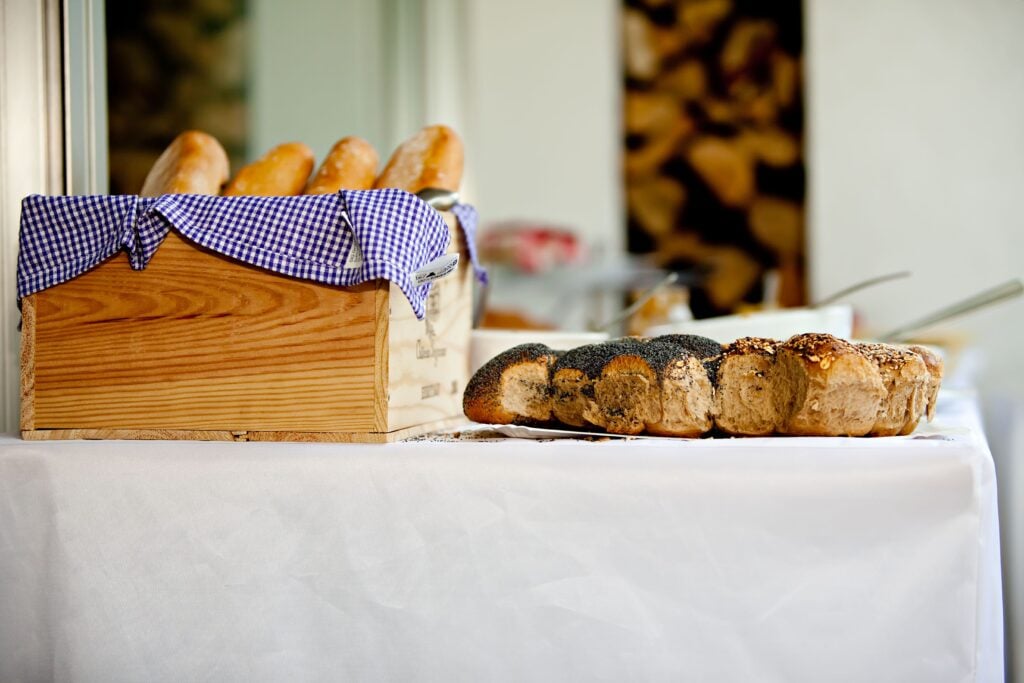
For crusty bakery loaves, storage can be a little different. A paper bag or clean kitchen towel can help protect the loaf without trapping too much moisture against the crust.
Related: What your local food bank needs but rarely asks for
Fresh Bakery Bread Usually Has a Shorter Shelf Life
That beautiful bakery loaf may taste better than a packaged loaf, but it probably won’t stay fresh for as long. Many artisan breads have fewer preservatives, so they can lose their best texture after a couple of days.
That’s not necessarily a bad thing. It just means you should think about how much bread you’ll realistically eat before buying a large loaf.
If you know you’ll only eat a few slices, buying a smaller loaf can save you from tossing half of it later. You can also freeze part of the loaf while it’s still fresh, rather than waiting until it starts to go stale.
The Freezer Is Better for Long-Term Storage
If you need your bread to last more than a few days, the freezer is a much better choice than the refrigerator. Freezing helps preserve the bread for much longer without giving it the same stale texture that refrigeration can cause.
I like slicing bread before freezing it. That way, you can take out one or two slices whenever you need them instead of thawing the entire loaf.
Frozen sandwich bread can usually go straight into the toaster, while larger pieces of bread can be allowed to thaw at room temperature. For the best texture, wrap the bread well before freezing and keep it sealed in a freezer-safe bag or container.
Related: 14 Items Food Banks Wish More People Would Donate
A Little Planning Can Save a Lot of Bread
Bread doesn’t have to end up in the trash just because you can’t finish a loaf in a few days. The trick is choosing the right storage method for how quickly you plan to eat it.
Keep bread you’ll eat soon at room temperature, and freeze anything you won’t eat before it loses its freshness. Once you get into that habit, you can buy the bread you actually like without feeling like you have to race to finish the whole loaf.