It’s tempting to toss food scraps into the trash as soon as you finish cooking. But some of those leftovers can still serve a purpose in your garden.
Eggshells, coffee grounds, vegetable ends, and fruit peels are just a few examples. Depending on the scrap, you can add it to your compost, mix it into the soil, or use it to grow more food.
You don’t have to save every bit of kitchen waste. Start with a few common scraps that are easy to collect and put to use.
Here are 10 kitchen scraps worth keeping for your garden.
Eggshells
Eggshells are easy to save and can be added to your compost or garden soil. They’re made mostly of calcium carbonate, which can release calcium as the shells slowly break down.
Rinse the shells, let them dry, and crush them into small pieces before using them. Grinding them into a fine powder helps them break down faster than leaving them in large chunks.
Some gardeners also scatter crushed eggshells around plants to discourage slugs and snails. This trick isn’t guaranteed to keep pests away, but it gives those leftover shells another use.
Related: I Save My Eggshells for This Brilliant Outdoor Hack
Coffee Grounds
Don’t throw away your used coffee grounds just yet. They contain organic matter and some nitrogen, making them a handy addition to a compost pile.
You can also mix small amounts into garden soil, but avoid piling them thickly around your plants. Wet grounds can clump together and form a dense layer that blocks water and air from reaching the soil.
Mixing them into compost or spreading a thin layer over the ground is a better option. This lets them break down without creating a thick mat around your plants.
Banana Peels
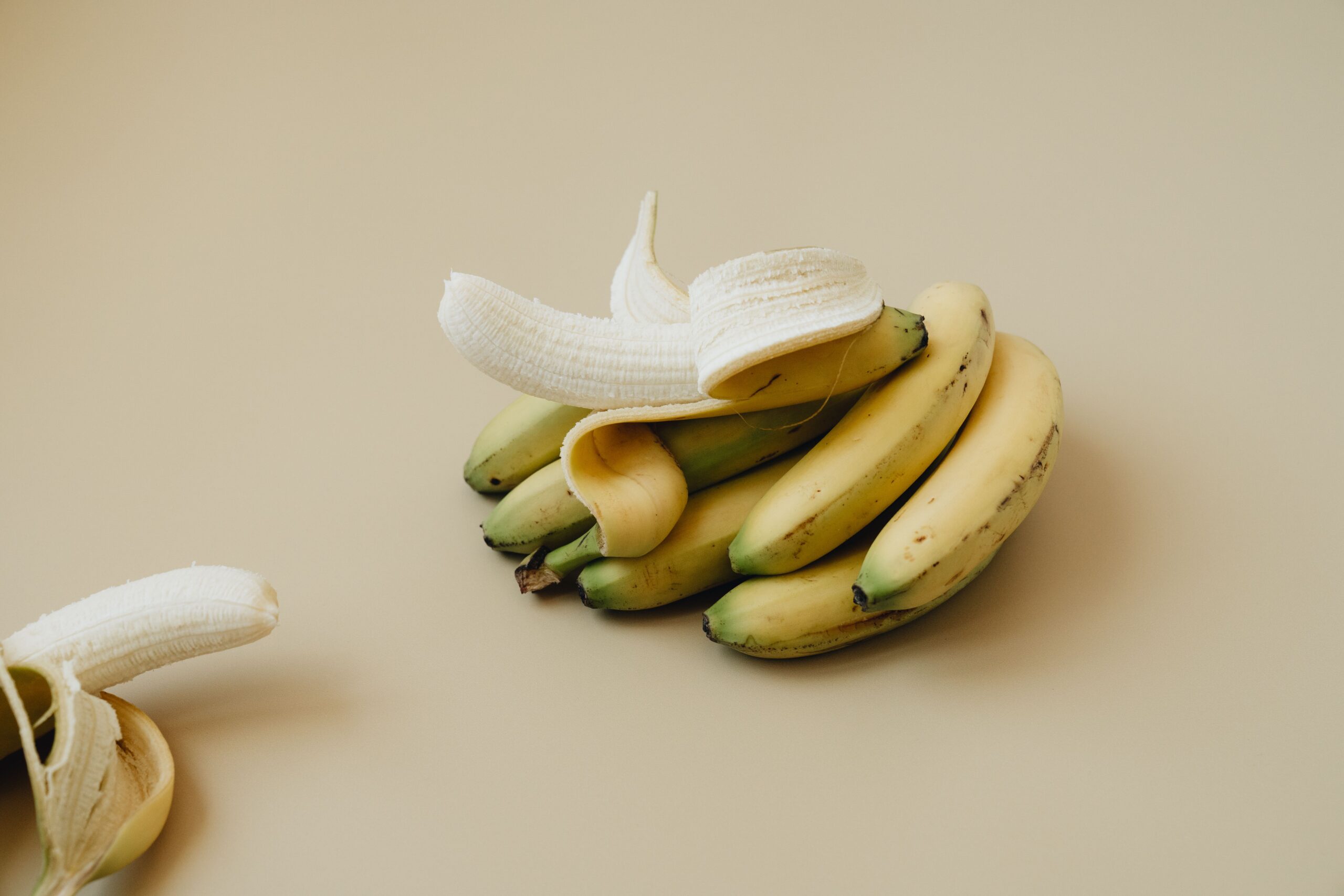
Banana peels contain potassium and other nutrients that can return to the soil as they decompose. They’re also a good source of organic material for your compost pile.
Cut the peels into small pieces before adding them to compost or burying them in the garden. Smaller pieces break down faster and are less likely to attract unwanted visitors.
If you bury them directly, place them a few inches below the soil surface. This keeps the scraps out of sight while they decompose.
Citrus Peels
Orange, lemon, lime, and grapefruit peels can go into your compost instead of the trash. Once chopped into smaller pieces, they can break down alongside other kitchen and yard waste.
Their strong smell may discourage some pests from certain areas, but citrus peels aren’t a dependable way to keep insects or animals away. Treat them as compost material rather than a pest-control solution.
Since citrus rinds are thicker than many other food scraps, they can take longer to decompose. Cutting them into smaller pieces helps speed things up.
Onion and Garlic Skins
The papery skins left behind after peeling onions and garlic are easy to overlook. Instead of tossing them, add them to your compost pile.
They provide organic material as they break down and can be mixed with other food scraps and yard waste. Since the skins are dry and tough, crushing them into smaller pieces can help them decompose sooner.
There’s no need to set them aside for a special garden project. They’re a simple addition to the compost you’re already making.
Tea Leaves
Used tea leaves can be added to compost or mixed into garden soil. They contribute organic matter and small amounts of nutrients as they break down.
If you use tea bags, check the packaging before tossing the whole bag into your compost. Some tea bags contain plastic or other materials that won’t break down in a home compost pile.
Loose tea leaves are a convenient option since you can add them without worrying about the bag.
Lettuce Cores and Vegetable Ends
Some vegetable scraps can grow again instead of going straight into the compost. Lettuce bases, celery ends, and green onion roots may produce fresh growth when placed in a shallow dish of water near a sunny window.
Once new roots or leaves appear, you can try moving them into soil. The results depend on the vegetable and its condition, so you may get a small amount of fresh growth rather than a full new plant.
It’s a simple gardening experiment that costs nothing to try. Keep an eye on the water and replace it regularly so the scraps don’t start to rot.
Potato Peels
Potato peels contain organic material that can be returned to the garden through composting. Adding them to your compost pile gives them time to break down before the finished compost goes into your soil.
Avoid burying large amounts of potato peels directly in your garden. Composting is usually a better option, since fresh scraps can attract pests while they decompose.
Don’t compost potato scraps that show signs of disease. Some plant diseases can survive in infected material and cause trouble if it goes back into the garden.
Bean Water and Aquafaba
The liquid left after cooking beans or draining canned chickpeas is often called aquafaba. It contains starches and other compounds from the beans, but that doesn’t make it a replacement for regular plant fertilizer.
If you want to try using it in your garden, stick to plain, unsalted liquid and dilute it with water. Avoid anything containing salt, oil, sauces, or seasonings, since these ingredients can harm plants or build up in the soil.
Adding plain bean water to your compost pile is another option. This is often easier than using it directly on plants.
Spicy Pepper Scraps
Pepper stems, seeds, and leftover pieces can be added to your compost pile. Hot peppers contain capsaicin, the compound responsible for their spicy taste.
Some gardeners use hot pepper scraps in homemade pest deterrents because capsaicin can irritate certain animals and insects. Results aren’t guaranteed, so don’t rely on these mixtures as your only way to manage garden pests.
Other Topics You Might Like
- 13 Gardening Antiques Collectors Love and Often Pay Up For
- I Stopped Buying Fertilizers After Years of Gardening and Started Using This Instead
- Some of the Best Gardening Tips I Ever Got That Break All the Rules
- 9 Vintage Gardening Tools Hiding in Grandma’s Potting Shed— Some Could Be Worth a Small Fortune