
When your closets start overflowing, the garage often becomes the default storage space. It seems like the perfect place to stash everything from old electronics to extra pantry items. But just because something fits in the garage doesn’t mean it belongs there.
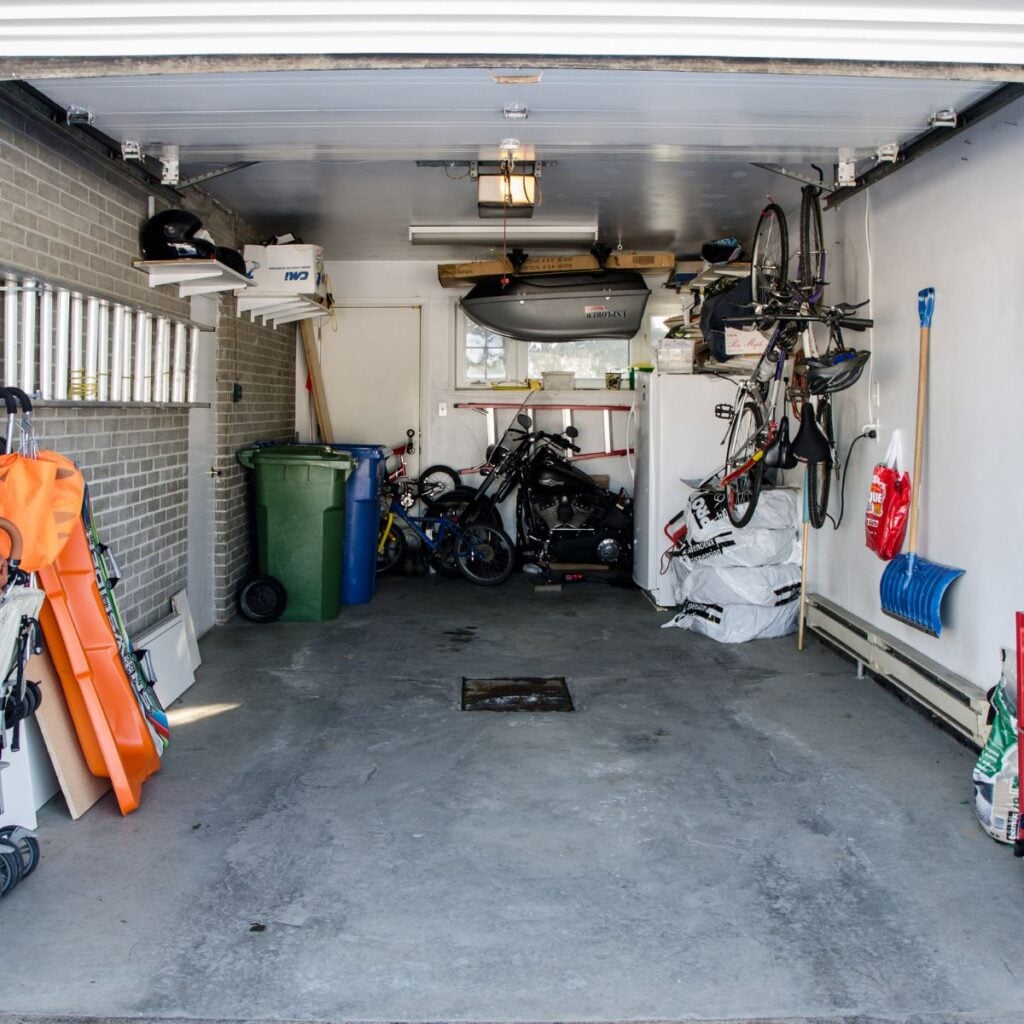
Most garages experience extreme temperature swings, fluctuating humidity, dust, and occasional pest problems. Those conditions can quietly ruin certain belongings or even create safety hazards. Before you clear out another shelf, make sure you’re not storing these 10 items in your garage.
Extra Pantry Food
Many homeowners use the garage as an overflow pantry for canned goods, cereal, flour, rice, snacks, bottled drinks, and pet supplies.
The problem is that heat, humidity, and pests can shorten shelf life and damage packaging. Rodents and insects can chew through cardboard and plastic more easily than many people realize. Whenever possible, store food indoors, or use airtight, pest-resistant containers if garage storage is unavoidable.
Important Documents
Birth certificates, passports, tax records, insurance paperwork, wills, and family documents should never be stored in the garage.
Heat, moisture, and pests can permanently damage paper, while flooding or leaks can destroy years of important records in a matter of hours. Store valuable documents inside your home in a fireproof, waterproof safe or a secure filing cabinet instead.

Organize your next yard or garage sale with this complete printable bundle featuring garage sale signs, price tags, flyer templates, checkout signs, trackers, and table category signs.
Old Computers and Electronics
It can be tempting to stash an old laptop or computer in the garage until you decide what to do with it, but electronics don’t handle extreme temperatures very well.
Heat can damage batteries and internal components, while humidity can lead to corrosion. If you’re saving electronics for donation, resale, or backup files, keep them indoors in a cool, dry location.
Related: 12 Old Electronics That Are Now Considered Vintage
Paint
Garages have become the unofficial storage place for leftover paint, but they’re rarely the ideal environment.
Freezing temperatures can ruin latex paint, while excessive heat can cause it to separate or thicken. If you plan to use leftover paint for future touch-ups, store it somewhere with a more consistent temperature.
Related: Before You Paint Your Kitchen Cabinets, Try These 5 Easy Upgrades
Wine
A garage might seem like a convenient place to keep a few extra bottles, but wine is surprisingly sensitive to temperature changes.
Repeated cycles of heat and cold can affect flavor, damage corks, and shorten the wine’s shelf life. Wine stores best in a cool, dark place where temperatures remain relatively stable throughout the year.
Pet Food
Large bags of dog or cat food can quickly attract mice, rats, ants, and other pests if stored improperly.
Even unopened bags may lose freshness faster in hot, humid conditions. If you need to keep pet food in the garage, place the entire bag inside a heavy-duty airtight container and keep it elevated off the floor.
Camping Gear and Sleeping Bags
Sleeping bags, tents, backpacks, and other camping gear are often used only a few times each year, making the garage seem like the obvious storage spot.
Unfortunately, moisture, dust, and pests can leave fabrics smelling musty or even growing mildew before your next trip. Always thoroughly clean and dry camping gear, then store it in breathable bags or sealed containers in a climate-controlled space whenever possible.
Family Photos, Books, and Keepsakes
Photo albums, scrapbooks, children’s artwork, books, and old letters don’t tolerate garage conditions very well.
Humidity can cause mold, pages can warp, photographs can stick together, and pests may damage boxes that seem perfectly safe. Sentimental items deserve indoor storage where temperature and moisture remain more consistent.
Oily Rags
Rags soaked with stain, linseed oil, paint thinner, or other finishing products pose a much greater risk than many homeowners realize.
As certain oils dry, they generate heat. When oily rags are piled together without airflow, that heat can build until spontaneous combustion becomes possible. Dispose of oily rags properly or store them in an approved metal container with a tight-fitting lid until disposal.
Gasoline and Propane Tanks
Fuel containers, propane tanks, lighter fluid, and similar flammable products require careful storage.
Keeping them near water heaters, furnaces, electrical equipment, or other ignition sources can create unnecessary risks, especially in attached garages. Follow manufacturer recommendations and local safety regulations for proper storage, which may mean keeping some fuels in a well-ventilated outdoor location.