Some people call themselves lazy because they have zero interest in spending their Saturday scrubbing baseboards or reorganizing every closet in the house. They aren’t making elaborate cleaning schedules or looking for chores to fill their free time, yet their homes still manage to look pretty good most of the time.
The trick is that they don’t let small messes turn into big ones. A few quick habits throughout the day can keep things from getting out of hand, leaving less to deal with later. Instead of giving up an entire weekend to cleaning, they handle little jobs when they’re already nearby.
You don’t need to love cleaning to have a home that looks neat. A few shortcuts can make keeping up with the house feel much more manageable.
They Make the Bed Even If Nothing Else Gets Done
Making the bed takes about a minute, but it can change the way the entire bedroom looks. Even if there’s a laundry basket in the corner or the nightstand has accumulated a few things on it, a made bed gives the room an instant sense of order.
It also gives you one small task you can finish early in the day. If you’re already trying to keep laundry under control or working on a room that’s prone to clutter, starting with the bed is an easy win.
Related: The Triple Sheeting Method: All You Need To Know
They Clean in Tiny Bursts Instead of Big Marathons
People who don’t want to spend hours cleaning usually don’t wait until the house is a disaster. They wipe the kitchen counter while waiting for coffee, throw away junk mail as soon as it comes through the door, or load the dishwasher before sitting down for the evening.
Those little five-minute jobs add up. It may not feel like you’re doing much at the time, but you’re making sure today’s mess doesn’t become tomorrow’s much bigger chore.
Related: Grandma’s Best Kept Cleaning Tips That Put Today’s Cleaning Routines to Shame
They Follow the One In, One Out Rule
Clutter gets much harder to deal with when every new purchase stays in the house forever. A simple way around that is to get rid of something whenever a similar new item comes in.
Bought a new sweater? Pick an old one to donate. Added another kitchen gadget? Find one you never use and let it go. You don’t have to spend an entire afternoon decluttering if you’re regularly keeping the amount of stuff under control.
They Stick With Simple Cleaning Supplies
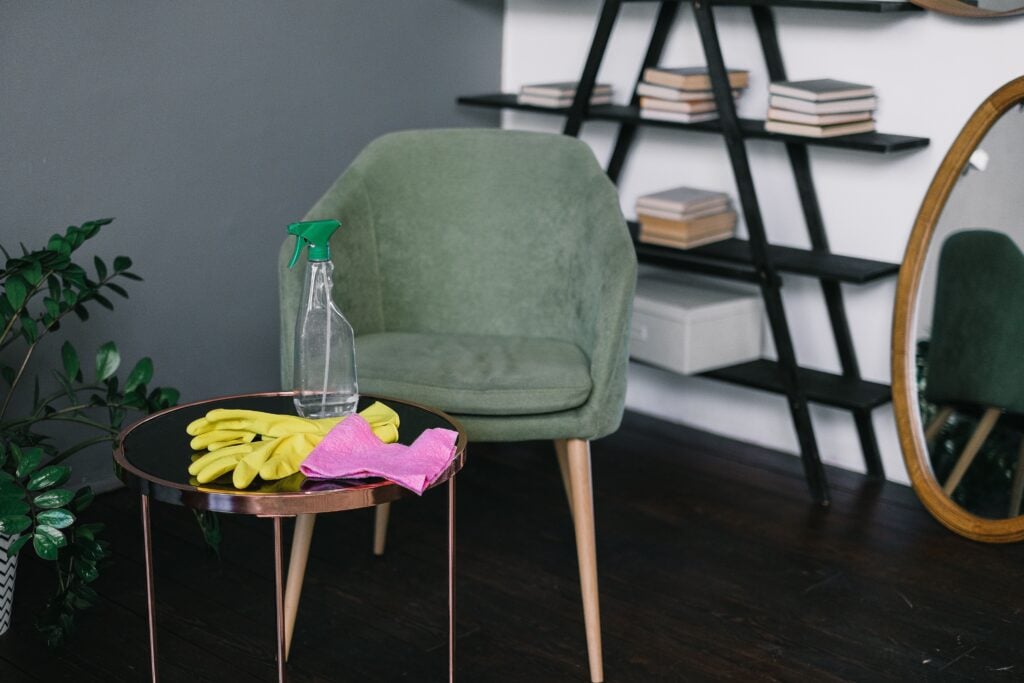
You don’t need a cabinet full of specialty products to keep a home clean. Having a reliable all-purpose cleaner and a few microfiber cloths within easy reach can handle many everyday messes as they pop up.
Convenience matters here. If the cleaning supplies are sitting under the sink or in a nearby caddy, wiping down a spill takes almost no thought. If you have to search through three closets first, it’s much easier to put off the chore.
Related: Stop Buying Cleaners and Make These All-Natural Versions Instead
They Put Things Away Right Away
A lot of household clutter starts with the phrase, “I’ll put that away later.” Shoes get left by the door, mail lands on the kitchen counter, jackets end up on chairs, and dishes sit in the sink.
Putting something away when you’re finished with it takes a few seconds. Leaving it there means you’ll eventually have a pile of small tasks waiting for you.
Dishes can go straight into the dishwasher if they’re dishwasher-safe. Jackets can go on a hook, mail can be sorted near the door, and shoes can go back where they belong. The fewer things that are left lying around, the less there is to pick up later.
They Use Simple Storage Instead of Complicated Systems
Good storage doesn’t have to mean buying expensive matching containers for every room. A basket beside the couch can hold blankets, a tray by the door can collect keys, and a basic bin can keep dog toys from spreading across the floor.
The point is to give frequently used things an obvious place to go. When you don’t have to think about where something belongs, putting it away takes much less effort.
They Keep Cleaning Supplies Close to the Mess
If the kitchen sink is always getting dirty, keep a cleaner nearby. If the bathroom mirror gets covered in toothpaste splatters, keep a cloth where you can grab it quickly.
This is why location matters so much. If the cleaner is under the sink, it’s easy to grab when you’re already in the kitchen. If it’s buried in a closet at the other end of the house, that small cleaning job suddenly feels like more work than it’s worth.
They Use a Lint Roller for Quick Cleanups
A lint roller isn’t just for clothes. It can pick up crumbs, pet hair, dust, and other small bits from fabric furniture and certain surfaces without requiring you to bring out the vacuum.
This is especially handy if you have pets or upholstered furniture that collects hair. For a small mess, using the quickest tool available can save you from turning a two-minute cleanup into a whole production.
They Do Smaller Loads of Laundry More Often
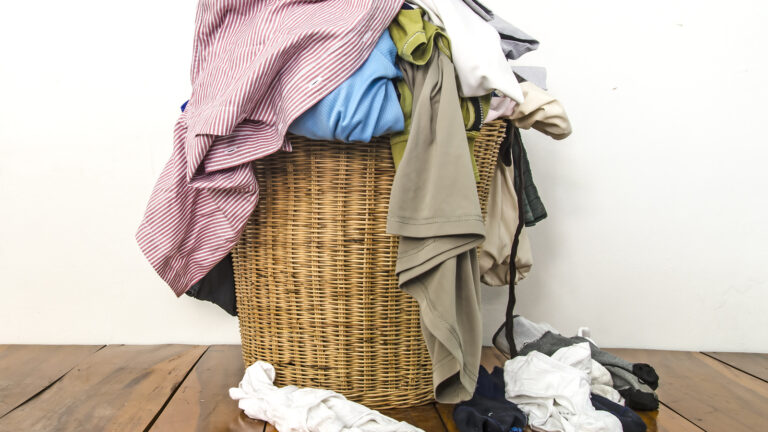
A giant pile of laundry waiting for you at the end of the week can make the chore feel much worse than it needs to be. Doing a smaller load every few days keeps the pile from getting out of control and makes folding less of a project.
It also means you’re less likely to spend an entire day washing, drying, folding, and putting away clothes. A little laundry more often can be much easier to fit into a normal week.
Related: Master Your Laundry Routine With These 16 Effortless Tips
They Have a Designated Drop Zone
Keys, sunglasses, bags, shoes, mail, and other things tend to end up wherever you happen to drop them. Giving those everyday items a single landing spot near the entrance can keep them from spreading throughout the house.
It doesn’t have to be elaborate. A small tray, basket, hooks, or a shelf can work. Once everyone knows where things go when they walk through the door, the entryway becomes much easier to keep tidy.
They Wipe Surfaces as They Go
A quick wipe after cooking is easier than dealing with dried-on food later. The same goes for bathroom sinks, dining tables, and other surfaces that get used throughout the day.
You don’t have to clean the entire room every time something gets dirty. Taking care of the mess while you’re already there keeps the next cleaning session shorter.
They Clean While Cooking
Waiting for water to boil or dinner to finish baking gives you a few spare minutes in the kitchen. Instead of standing around, you can rinse a pan, load a few dishes, wipe the counter, or put ingredients back in the pantry.
By the time dinner is ready, much of the cleanup may already be done. It also means you’re less likely to face a sink full of dishes after you’ve finished eating.
They Keep a Loose Cleaning Routine
You don’t need a detailed chore chart taped to the refrigerator to stay on top of housework. It can be enough to have a rough idea of what needs attention during the week.
Maybe laundry happens every few days, the floors get vacuumed once or twice a week, and the bathrooms get cleaned on the weekend. The exact schedule doesn’t matter as much as having a rhythm that keeps chores from piling up.
They Share the Work
If you live with other people, cleaning shouldn’t automatically fall on one person. Splitting up basic jobs can make the whole house easier to maintain.
One person can handle dishes while another takes out the trash. Someone else can vacuum, clean the bathroom, or tackle the laundry. When everyone handles a few regular tasks, no one has to spend an entire weekend trying to catch up.
The people who seem to clean the least aren’t necessarily doing anything complicated. They’re usually just finding ways to keep everyday messes small enough that they don’t turn into major cleaning projects.
You don’t need a spotless house every minute of the day, either. A few quick habits can keep things looking presentable while leaving you with plenty of time to do something other than clean.