
Thrift stores operate a little differently from regular retail stores. After enough time thrifting, you start to realize there are certain unwritten rules that make the experience better for everyone. Most aren’t posted anywhere in the store, but they’re the little courtesies seasoned thrift shoppers tend to understand.
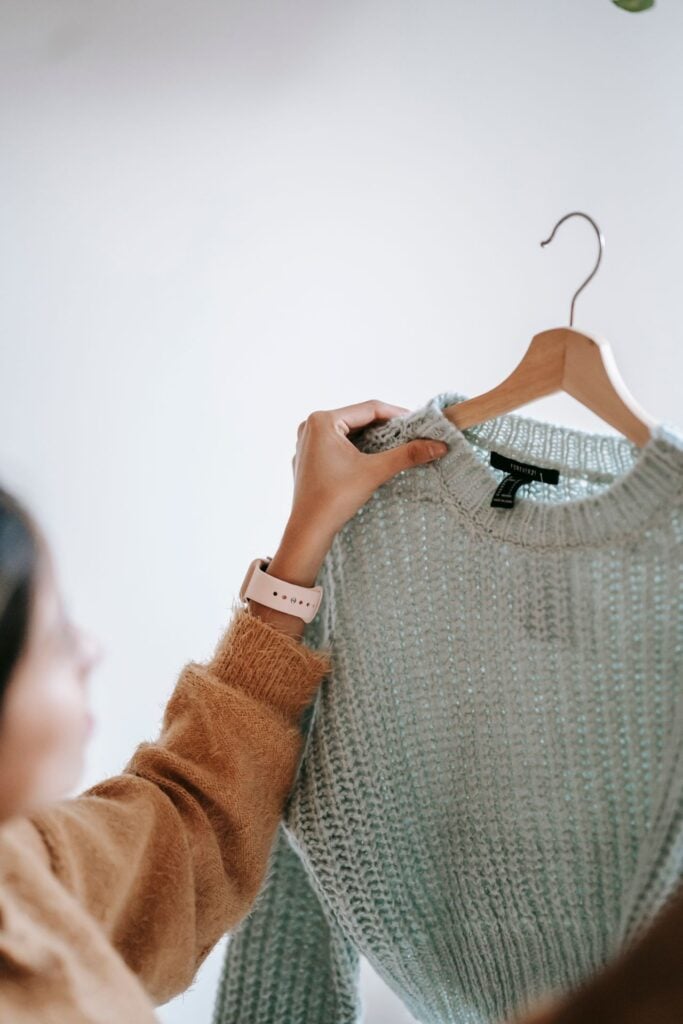
If someone is looking at it, give them a minute
If someone is clearly looking at an item or browsing a small section, give them a chance to finish before moving in.
That doesn’t mean an entire aisle belongs to one person, but a little space goes a long way. There will always be another shelf to check while you wait.
Don’t park your cart in the middle of the aisle
Thrift store aisles can already be tight, especially when racks are packed, and the store is busy. Leaving a cart sideways while digging through clothing can make it nearly impossible for anyone else to get through.
Pulling the cart to one side takes only a second. And if someone says “excuse me,” that’s usually a sign they need to pass not an invitation to move two inches and continue blocking the aisle.
Don’t treat the toy section like free childcare
Kids naturally want to investigate a wall of toys, and letting them look is part of the fun. But there’s a difference between browsing together and leaving children sitting in an aisle playing with merchandise while everyone else tries to shop around them.
The toys are still merchandise that other customers may want to inspect or purchase. Keeping kids nearby and making sure toys go back where they came from keeps the section usable for everyone.
Related: These Places Will Gladly Take Your Kids’ Old Toys
If it’s in someone’s cart, consider it taken
Thrifting has an element of competition because there’s often only one of each item. But once another shopper has put something in their cart, it’s theirs.
The same courtesy works both ways. If you’ve found something you really want, keep your cart with you instead of leaving it unattended across the store and assuming everything inside will remain untouched.
Don’t hide something just because you’re undecided
Finding an amazing piece and not knowing whether to buy it is a classic thrifting dilemma. Put it in your cart while you decide, then return it to the proper area if you change your mind. Other shoppers should have a fair chance at finding it if you’re not going to buy it.
Put your unwanted finds back where they belong
The final cart review can prevent many unnecessary purchases. But deciding against a lamp doesn’t mean it belongs abandoned in the shoe aisle because that’s where you happened to change your mind.
Return unwanted merchandise to its original section when practical, or ask an employee where they’d like it left. It’s a small thing that keeps an already unpredictable store from becoming even more chaotic.
Don’t open sealed packages unless the store allows it
It’s reasonable to want to know whether a puzzle has all its pieces or a boxed appliance has all its attachments. That doesn’t necessarily mean shoppers should tear through tape, packaging or bags that employees have intentionally sealed.
Ask an employee whether you can open and inspect the item. Otherwise, pieces can get lost, and the next shopper may not know whether the package is still complete.
Don’t expect garage-sale negotiations
Goodwill and other thrift stores sell donated merchandise, but that doesn’t automatically make the prices negotiable. The cashier generally isn’t the item’s owner and may have little or no authority to change the price just because a shopper thinks it’s too expensive.
It can be reasonable to politely ask about store policy when something has significant damage that may have been overlooked. Haggling over every price, however, is better saved for garage and estate sales.
Give people room to dig
Sometimes a bin of records, a rack of newly rolled-out clothing, or a shelf of vintage kitchenware suddenly attracts several shoppers. Everyone wants to see what’s there, but crowding directly against another person or reaching across them makes the treasure hunt unnecessarily unpleasant.
Wait for an opening and work through another part of the section in the meantime. The possibility of someone finding the good Pyrex first is simply part of thrifting.
Related: Before You Shop at Goodwill, Check the Color of the Week—It Could Save You 50%
Don’t make a mess looking for an Item
Finding the good stuff sometimes requires digging. It doesn’t require leaving a pile of unfolded clothes, scattered shoes or an entire shelf of merchandise behind afterward.
Employees already have a constant stream of donated merchandise to sort, price and put away. Putting things back reasonably close to how they were found takes little effort and makes the hunt better for whoever comes along next.