
Buying furniture at an estate sale can occasionally come with a surprise, but one shopper found something much more interesting than an old receipt or a few forgotten coins.
After purchasing a desk at an estate sale, she discovered a ring hidden inside. She later took it to a jewelry store and learned it was worth around $250.
That sparked an interesting question: if you buy the desk, do you also own whatever was accidentally left inside?
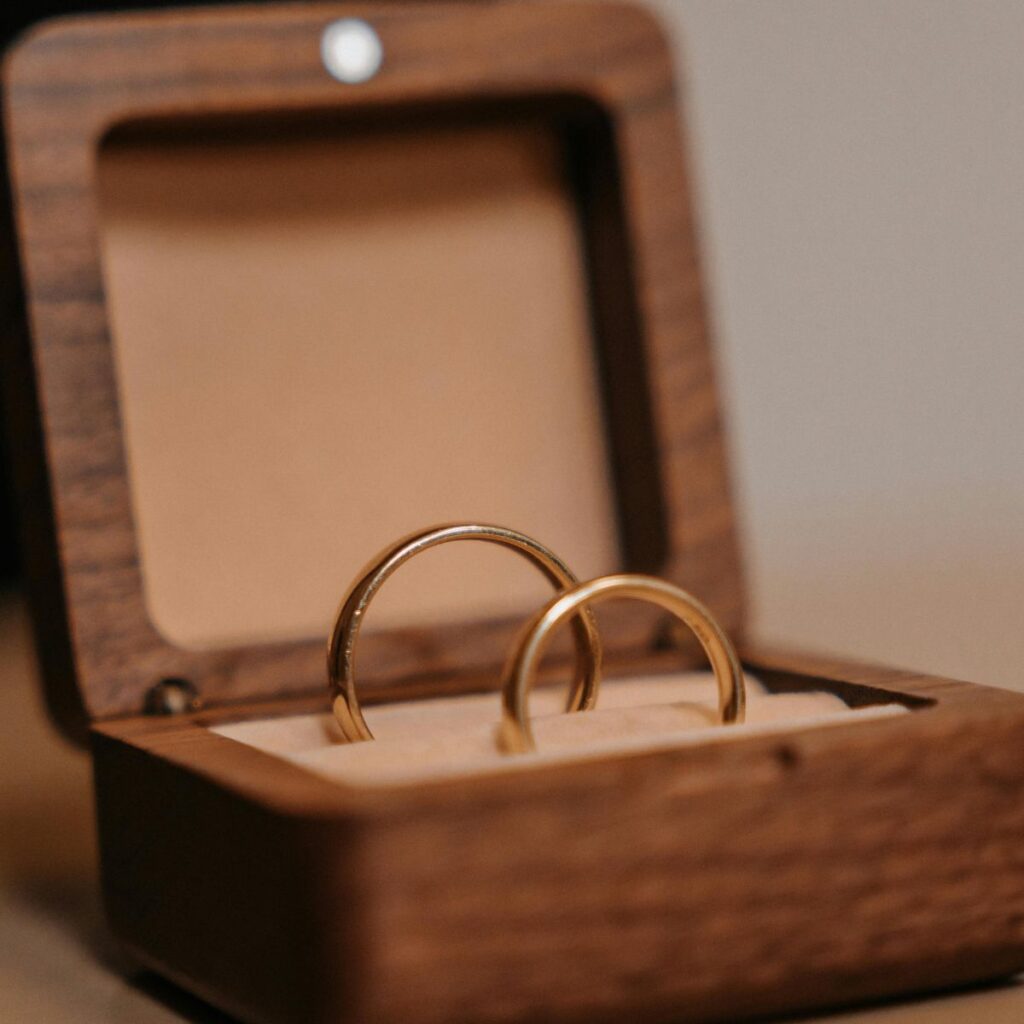
Many People Said the Ring Was Hers
Plenty of people felt the answer was simple. The desk was sold, the buyer paid for it, and whoever organized the estate sale had the opportunity to empty and inspect it beforehand.
Some people with experience running estate sales and auctions agreed, pointing out that checking drawers, compartments, and other hiding places is normally part of preparing furniture for sale. If something gets overlooked, buyers may reasonably assume everything included with the purchase came with it.
But “Finders Keepers” Isn’t Necessarily the Law
Legally, buying the desk doesn’t automatically mean an accidentally forgotten ring becomes yours.
Property laws vary by state, but there’s an important distinction between abandoned property and lost property. Something intentionally abandoned may generally be claimed by someone else, while property that was accidentally lost or left behind may still belong to its original owner.
So if the previous owner intentionally included everything in the desk with the sale, the buyer would have a stronger argument for keeping it. If the ring was accidentally forgotten, the original owner could potentially still have a claim.
The Sentimental Value Could Be Much Higher
Several people pointed out that $250 may not be the ring’s most important value. Jewelry can be connected to a marriage, deceased family member, milestone, or other memory that makes it virtually priceless to the person who lost it.
One commenter shared a story about finding a missing ring that had belonged to her father’s longtime partner. It wasn’t the monetary value that mattered; the family connection made finding it incredibly important.
Related: Decluttering Is Hard When You’re Sentimental—Here’s What Helps
There’s an Easy Way to Find Out
One of the best suggestions was to contact the estate sale company without mentioning exactly what was found. Simply say you discovered a personal item inside the desk and ask whether the family has reported anything missing. If someone claims it, ask them to describe the item before revealing that it’s a ring.
That prevents someone from falsely claiming a $250 piece of jewelry while giving the original owner a chance to recover something meaningful.
So, Is the Ring Hers to Keep?
Maybe, but buying the desk alone doesn’t necessarily settle the question.
If nobody can identify the ring and the buyer has followed any applicable found-property requirements in her state, she may ultimately be able to keep it. But if the family can accurately describe a ring they accidentally left behind, returning it would avoid both the legal uncertainty and the possibility of keeping something with far more sentimental value than its $250 price tag.
Either way, this story is a pretty good reminder for both sides of an estate sale: always check every drawer before you sell or buy an old piece of furniture.
Other Posts You Might Like
- 20 Collectibles in Your Parents’ House That Could Be Worth a Fortune
- 13 Random Items in Your Home That Could Be Worth Thousands
- From Oil Lamps to Porcelain Pigs, These Are the Strangest Things People Collect
- 13 Garage Sale Items That Collectors Actively Look For (and Pay Well For)
- 17 Everyday Items in Your Kitchen That Are Secretly Valuable