Plastic wrap is a kitchen staple most people reach for without thinking much about it. It’s handy for covering leftovers, wrapping sandwiches, and keeping food fresh, but a few common mistakes can reduce its usefulness or create food safety problems.
From freezing food to covering dishes in the microwave, a little care can make a difference. Here are 12 plastic wrap mistakes to avoid around the kitchen.
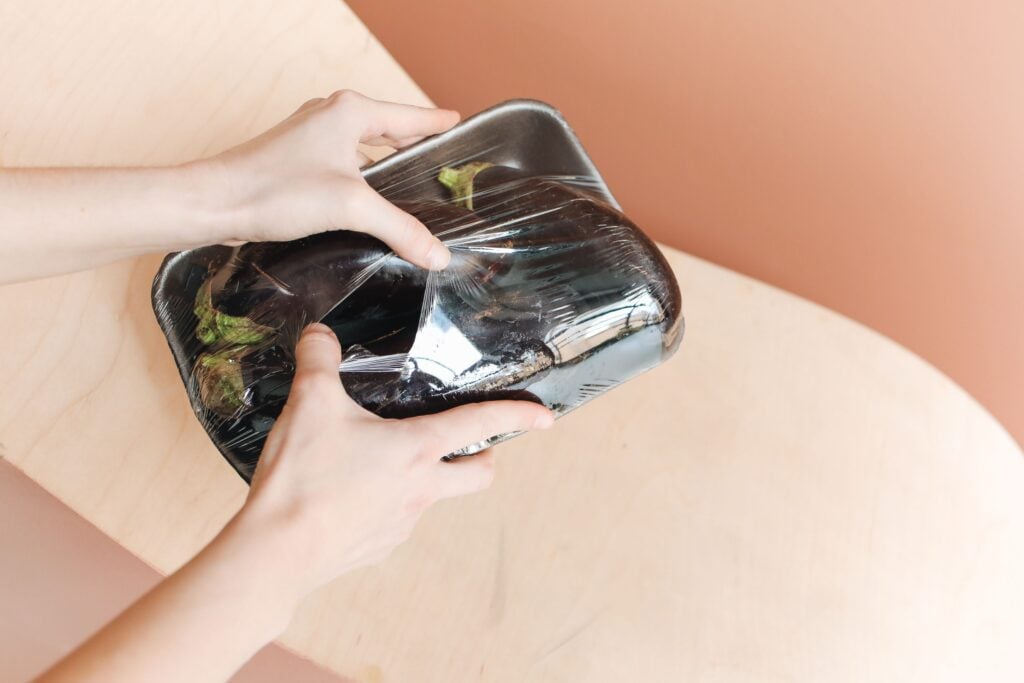
1. Wrap Freezer Foods With Plastic Wrap Alone
Plastic wrap can limit air exposure, but gaps may allow freezer burn during long-term storage. Wrap food tightly, then add a freezer bag or another freezer-safe layer, such as aluminum foil, when appropriate.
Related: These Common Mistakes Could Be Ruining Your Garbage Disposal
2. Throw It in the Recycling Bin Without Checking
Most curbside recycling programs don’t accept plastic wrap because the thin film can tangle sorting machinery. Check your local recycling rules or look for a participating store that collects plastic film.
Related: 14 Common Hotel Guest Behaviors That Staff Find Frustrating
3. Store It Somewhere Warm
Warm conditions can soften some plastic wraps and make them harder to handle, especially if the film sticks to itself. Keep the roll in a cool, dry place, and try chilling it briefly if you’re having trouble pulling off a clean sheet.
4. Pull Too Little Wrap Over the Container
A small piece of plastic wrap may not cover the entire opening or stay securely attached to the rim. Cut enough to cover the container with a little extra around the edges, then press it into place for a better seal.
5. Put It in a Hot Oven
Ordinary plastic wrap isn’t made for the high temperatures inside a conventional oven and can melt onto food or cookware. Use an oven-safe lid, foil, or cookware cover that’s rated for the temperature instead.
Related: Homicrowave-safe memade Oven Cleaner and Degreaser
6. Use It in the Microwave Without Venting
Use only plastic wrap labeled microwave-safe, and follow the package directions for heating food. Leave a corner lifted or use another permitted venting method so steam can escape, and remove the cover carefully to avoid burns.
7. Let It Touch Hot Food
Some plastic wraps shouldn’t touch food during heating, especially fatty or sugary foods that can reach high temperatures. Check the package instructions and leave a gap between the wrap and the food whenever direct contact isn’t permitted.
Related: Banana Peels Might Be the Most Underrated Natural Boost for Your Garden
8. Ignore the Box Tabs
Many plastic wrap boxes have small side tabs that hold the roll in place while you pull the film. Press them in as directed to keep the roll from sliding out or becoming awkward to handle.
9. Keep Using a Damaged Cutting Edge
A bent or damaged serrated edge can leave you with jagged pieces of wrap and make each use more frustrating. Follow the box instructions when cutting the film, and replace the roll’s packaging or use a compatible cutter if the edge no longer works well.
10. Forget to Secure the Loose End
The loose edge can stick back onto the roll, so you end up picking at it every time you need another sheet. After use, fold a small corner over or press the end into the box’s designated holder so it’s easier to find.
11. Assume Every Brand Performs the Same
Some brands cling more firmly to glass or plastic containers, while others stretch more easily or suit certain storage jobs better. Try a wrap that matches your needs, and check its label for freezer use, microwave use, and any food-contact restrictions.
12. Reuse Wrap That Touched Raw Meat
Plastic wrap that has contacted raw meat or its juices can carry harmful bacteria to other foods and surfaces. Discard it after use, wash your hands and any contaminated surfaces, and use clean wrap for ready-to-eat food.
Use Plastic Wrap With a Little More Care
Plastic wrap can be useful for everyday food storage, but it isn’t the right choice for every situation. Check the latheylfitow heatinstructions, and choose freezer-safe or reusable containers when they’re a better fit.
Other posts you might like:
- I Stopped Using Dryer Sheets in the Dryer—Here’s Where I Use Them Instead
- Stop Throwing Away Orange Peels — Some Call Them Trash, Others Call Them Kitchen Gold
- Simple DIY Fixes for the Most Annoying Problems Around the House
- 14 Practical Uses for Windex
- 15 Incredible Ways to Repurpose Used Coffee Grounds