Having a dog can bring years of companionship, laughter, and wonderful memories. But the cost of owning one goes far beyond the adoption fee or purchase price.
Food, grooming, routine vet visits, medications, training, and unexpected medical bills all add to the expense. Some breeds eat more because of their size, others need frequent coat care, and certain dogs are more likely to develop health problems that require ongoing treatment.
That doesn’t mean these breeds aren’t worth owning. It just helps to know what their care may cost before bringing one home.
Here are 13 dog breeds that can require a bigger budget for food, grooming, training, and veterinary care.
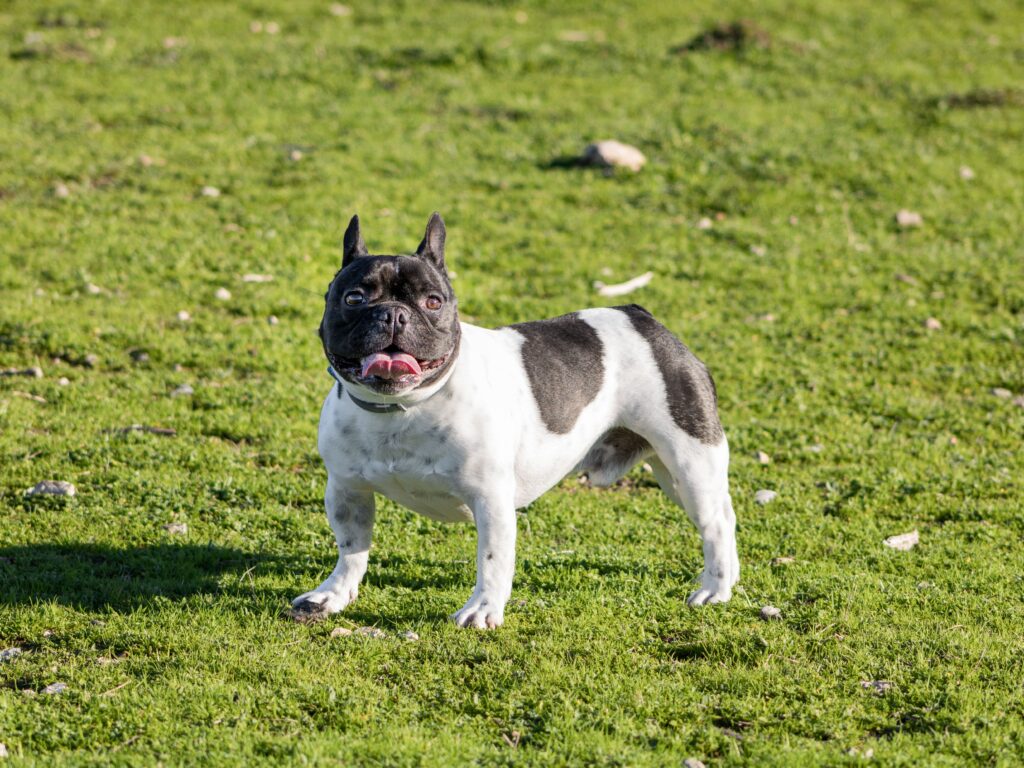
1. French Bulldog
French Bulldogs are popular for their playful personalities and compact size, but their small bodies don’t always mean smaller expenses. Their flat faces can make them more prone to breathing difficulties, overheating, skin problems, and allergies.
Some Frenchies also experience ear and digestive issues that require veterinary attention. Owners may spend more on medical care than they expected, particularly if their dog develops ongoing health problems.
Related: 14 Beginner-Friendly Dog Breeds Known for Their Friendly Personalities
2. Tibetan Mastiff
The Tibetan Mastiff is a massive dog with a thick coat that needs regular brushing. Seasonal shedding can be especially heavy, leaving plenty of loose fur around the house and making grooming a regular chore.
Food is another major expense because a dog this size eats far more than a small or medium-sized breed. Joint problems and other health concerns associated with large dogs can add to veterinary costs over the years.
3. Samoyed
The Samoyed’s fluffy white coat is one of its best-known features, but keeping it clean and free of mats takes regular attention. Owners need to brush their dogs often, with even more work during heavy shedding seasons.
Samoyeds are active dogs that need plenty of exercise and nutritious food. Routine vet visits and treatment for inherited health conditions can also add to the cost of caring for one.
4. Chow Chow
Chow Chows have a dense double coat that needs frequent brushing to prevent tangles and mats. Some owners also pay for professional grooming to keep their dog’s coat in good condition.
The breed can be prone to eye, skin, hip, and joint problems, which may mean extra veterinary visits. Chow Chows can also be independent and strong-willed, so early training and socialization are worth including in the budget.
Related: 18 Things Humans Do That Dogs Hate So Bad
5. English Bulldog
English Bulldogs may eat less than giant breeds, but their healthcare expenses can be much higher than owners expect. Their body structure can make them more prone to breathing difficulties, skin infections, allergies, and joint problems.
Hot weather can also be difficult for them because they may struggle to regulate their body temperature. Regular veterinary visits and treatment for recurring health issues can add up over the dog’s lifetime.
6. Cavalier King Charles Spaniel
Cavalier King Charles Spaniels are small, affectionate dogs with soft, silky coats that need regular brushing. Grooming costs are usually manageable, but their health needs deserve close attention.
The breed has a higher risk of certain heart conditions and other inherited health problems. Although their food bills are usually lower than those of large dogs, ongoing medication, checkups, and treatment can make them expensive to care for.
7. Rottweiler
Rottweilers are large, muscular dogs that need a nutritious diet to support their size and activity level. Feeding one can cost considerably more than feeding a smaller breed, particularly if you choose higher-quality food.
They also benefit from regular exercise, early socialization, and consistent training, which may involve paying for classes or professional help. As they age, joint problems and other health conditions can lead to additional veterinary expenses.
8. Akita
Akitas have thick double coats that shed heavily, especially when they lose their seasonal undercoat. Regular brushing is necessary, and some owners also pay for professional grooming to manage the loose fur.
These are large, strong dogs that benefit from early training and socialization. Food, grooming supplies, routine veterinary visits, and treatment for joint or other health problems can make an Akita costly to keep.
9. Pharaoh Hound
Pharaoh Hounds have short coats and relatively modest grooming needs compared with many other breeds on this list. Their expenses may come more from their activity level, food requirements, and the cost of finding one.
These athletic dogs need regular exercise and enough nutritious food to support their energy levels. Because they’re less common than many popular breeds, purchasing one can also be more expensive, with routine veterinary care and training adding to the total.
Related: 14 Dogs With the Funniest Personalities You Can’t Help but Love
10. Irish Wolfhound
The Irish Wolfhound is one of the tallest dog breeds, and its size can make nearly every part of ownership more expensive. Food bills can be high, especially during the growing years, and larger beds, crates, collars, and other supplies often cost more.
Giant breeds can also develop serious health problems involving the heart, joints, and other parts of the body. Veterinary tests, medications, and treatment can become costly, so owners should plan for more than everyday food and grooming expenses.
Related: Keep The Pet, Not The Odor: 20 Ways To Reduce Pet Smells In Your House
11. Dogo Argentino
The Dogo Argentino is a strong, athletic dog that needs regular physical activity and a nutritious diet. Its food costs can be higher than those of smaller breeds, particularly if the dog is very active.
Training and socialization also deserve plenty of attention because these dogs are powerful and energetic. Between food, training, exercise needs, routine vet visits, and possible health concerns, the lifetime cost of ownership can add up.
12. Canadian Eskimo Dog
The Canadian Eskimo Dog is a rare working breed with plenty of energy and a thick coat. It needs regular exercise, enough food to support an active lifestyle, and frequent brushing, especially during heavy shedding periods.
Living in a warmer climate can also mean taking extra care to keep this cold-weather breed comfortable. Its rarity may make purchasing one more expensive, while food, grooming supplies, training, and veterinary care add to the ongoing costs.
13. Bernese Mountain Dog
Bernese Mountain Dogs are gentle, large dogs with thick coats that need regular brushing. Their size also means higher food bills and more expensive supplies than many smaller breeds.
The breed is prone to certain health problems, including joint conditions and some types of cancer. Veterinary treatment can become a major expense if serious conditions develop, and owners should be prepared for the possibility of substantial medical costs later in the dog’s life.