Gas prices can make an ordinary trip to the pump feel like a major expense. I recently paid more than $90 to fill my tank, compared with around $60 not too long ago, and that kind of increase is hard to ignore.
Finding a cheaper gas station can help, but there are other ways to spend less on fuel. Your driving habits, vehicle maintenance, and even the items you carry in your trunk can affect how much gasoline your car uses.
You don’t have to make drastic changes to your daily routine. Avoiding a few common mistakes and picking up some simple habits can help keep your fuel expenses under control.
1. Don’t Pay Extra for Premium Gas If Your Car Doesn’t Need It
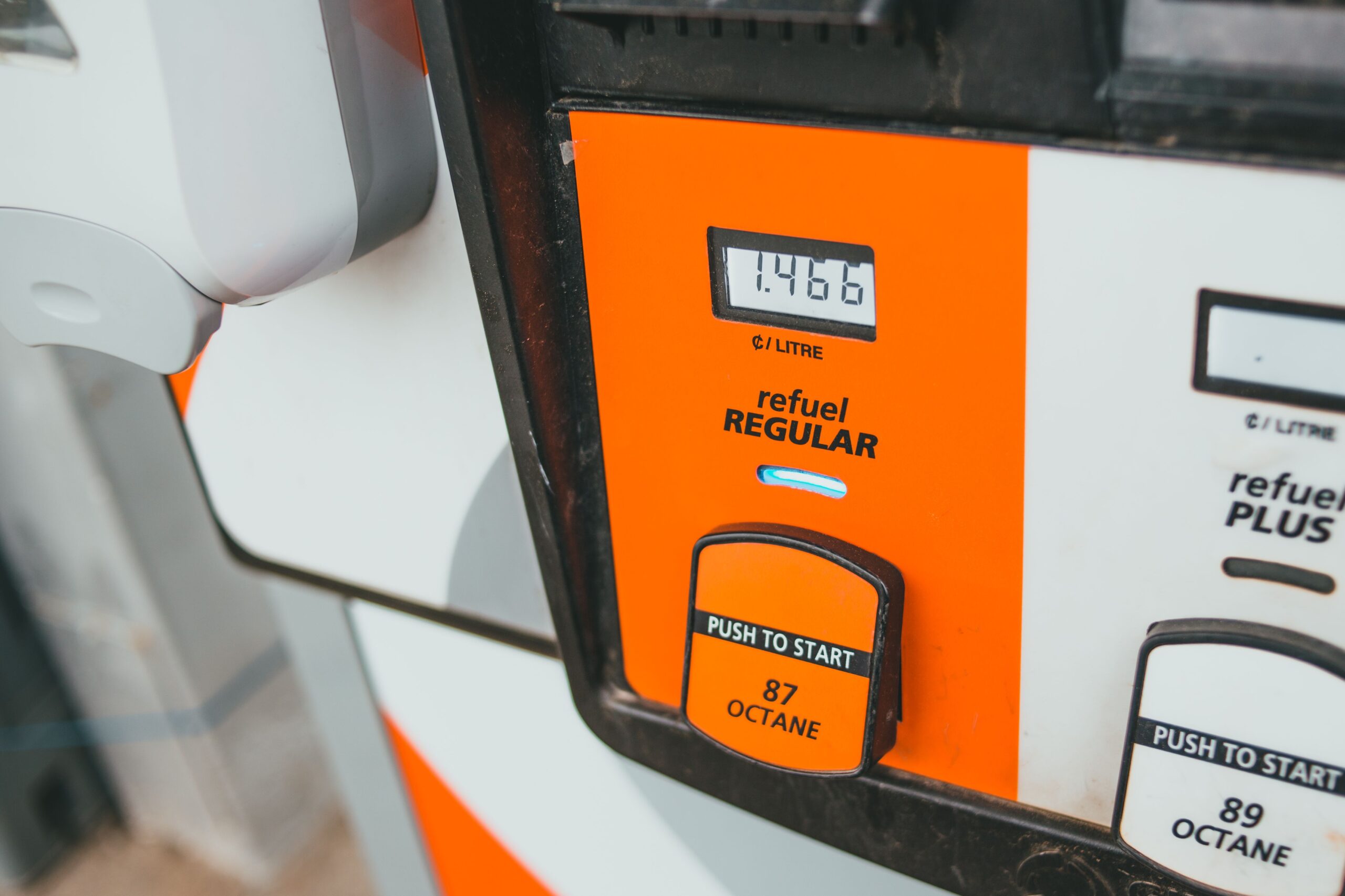
Premium gasoline may sound like the better option, but it won’t automatically make your car run better. Most vehicles are built to use regular fuel, and paying more for premium usually won’t improve mileage or performance if the manufacturer doesn’t require it.
Check your owner’s manual for the recommended fuel grade and follow it. There’s little reason to spend extra at every fill-up when regular gasoline is perfectly suitable for your vehicle.
Related: 12 Things You Should Avoid Doing at a Gas Station
2. Stop Pumping When the Nozzle Clicks
Once the gas pump automatically shuts off, your tank has enough fuel. Trying to squeeze in another few cents’ worth doesn’t give you much extra usable gasoline.
Overfilling can push fuel into parts of your vehicle’s evaporative emissions system that are meant to handle vapor, not liquid gasoline. That can damage components and lead to costly repairs, so let the pump stop when it clicks.
Related: 14 Reasons Your Car Is Burning Through Gas Faster Than It Should
3. Don’t Make a Habit of Driving on an Almost Empty Tank
You don’t need to fill up every time your fuel gauge drops below half, but regularly waiting until the tank is nearly empty can cause problems. The fuel surrounding the pump helps keep it cool, and repeatedly running with very little gasoline may put extra strain on the pump.
A nearly empty tank also leaves little room for unexpected delays, traffic, or a long search for an open gas station. Refilling before you’re down to the last few miles gives you more flexibility and may help prevent trouble.
Related: Gas Prices Are High Enough—Avoid These Costly Fueling Mistakes
4. Think Twice About Filling Up During a Fuel Delivery
You may have heard that buying gas while a tanker truck is refilling a station’s underground tanks can stir up sediment and send it into your vehicle. Modern gas stations use filtration systems and procedures to keep contaminants out of the fuel supply, so the risk isn’t as straightforward as that warning suggests.
Still, there’s no particular reason to fill up while a delivery is underway if you can easily come back later. Waiting until the truck has finished is a reasonable precaution, especially if the station is busy.
I’ve been using the Capital One Venture X, and it’s easily one of my favorite travel cards right now. If you apply through my referral link and get approved, you can earn up to 75,000 bonus miles plus travel perks like a $300 annual credit.
5. Turn Off Your Engine Before Getting Gas
There’s no reason to leave your vehicle running while you’re filling the tank. Turn off the engine before fueling, since gasoline vapors are highly flammable and shutting off the vehicle is a basic safety precaution.
An idling engine also burns fuel while you’re sitting still. The amount may be small during a quick stop, but there’s no point wasting gasoline unnecessarily.
Related: People Are Flooding Costco for Gas (And It’s Not Going Well)
6. Switch Pumps If One Isn’t Working Properly
If a pump keeps shutting off, won’t dispense fuel properly, or appears to be malfunctioning, move to another one. There’s no reason to spend extra time struggling with equipment that isn’t working as it should.
Let the station attendant know about the problem so someone can check it. A quick switch can save you the frustration of dealing with a faulty pump.
7. Check That Your Gas Cap Is Tight
A loose gas cap is easy to overlook, especially when you’re in a hurry to leave the station. If it doesn’t seal properly, fuel vapors can escape and your vehicle’s emissions system may detect a leak.
Before driving away, turn the cap until it’s securely fastened. In some vehicles, a loose cap can trigger the check engine light, so this small check can save you an unnecessary trip to the repair shop.
8. Pay Attention to Gas Prices Throughout the Week
Gas stations don’t always charge the same price every day. Some change their prices several times a week, and costs can climb around holidays and busy travel periods.
If you don’t need fuel immediately, compare prices at a few nearby stations before filling up. There’s no reason to drive across town for a tiny discount, but checking stations along your usual route can help you find a better price.
9. Take Advantage of Fuel Rewards
Fuel rewards can lower your gas bill over time, especially if you fill up regularly. Grocery stores may offer fuel points with purchases, while some gas stations, membership programs, and credit cards provide discounts of their own.
A few cents off each gallon may seem small, but the savings can add up over several months. Just avoid buying things you don’t need to earn points, since spending extra to get a discount defeats the purpose.
10. Remove Unnecessary Weight From Your Car
Take a look inside your trunk and see what’s been sitting there for months. Heavy boxes, unused equipment, and other items add weight, which can make your vehicle use more fuel, particularly during acceleration.
You don’t need to strip your car of everything you might need in an emergency. Keep the useful supplies and move the rest back into your garage or storage area.
11. Keep Your Tires Properly Inflated
Your tire pressure affects how much effort your vehicle needs to move down the road. Underinflated tires create more rolling resistance, which can increase fuel consumption and contribute to uneven tire wear.
Check the recommended pressure in your owner’s manual or on the sticker inside the driver’s door. Don’t use the maximum pressure printed on the tire as your target unless your vehicle manufacturer specifies it.
12. Compare Gas Stations Before Filling Up
The closest gas station isn’t always the cheapest one. Prices can differ noticeably between stations just a few minutes apart, so checking a gas-price app or looking at prices along your regular route may help you spend less.
There’s no need to make a special trip just to save a few cents per gallon. But if a cheaper station is already on your way, filling up there can be an easy way to lower your fuel bill.
13. Keep Up With Basic Car Maintenance
A vehicle that’s overdue for routine maintenance may cost more to operate. Follow the recommended oil-change schedule, use the motor oil specified for your car, and replace dirty or worn filters when needed.
Regular maintenance can help your engine run properly and give you a chance to catch problems before they turn into expensive repairs. Check your owner’s manual before paying for extra services, since not every item advertised by a repair shop is necessary for your vehicle.
14. Avoid Aggressive Driving
Hard acceleration, sudden braking, and frequent changes in speed can increase fuel consumption. You don’t have to drive unusually slowly, but gradual acceleration and a steady pace can help you get more miles from each tank.
Leave enough space between your vehicle and the one ahead so you aren’t constantly braking and speeding up. Cruise control can also help maintain a consistent speed on suitable stretches of highway.
Capital One Shopping makes it easy to save with automatic discounts and rewards at thousands of retailers. Sign up through my link, and you can get an $80 bonus, no purchase required.
15. Use Grocery Store and Membership Club Fuel Discounts
Some grocery stores, warehouse clubs such as Sam’s Club and Costco, and credit card programs offer ways to lower the price you pay at the pump. These benefits may come in the form of fuel points, cents-off discounts, or special member pricing.
Read the rules before counting on the savings, since some rewards expire, have limits, or only work at certain stations. If you’re already shopping at a store that offers fuel benefits, using those rewards can be an easy way to trim your gas expenses.
Small Changes Can Help Lower Your Fuel Bill
You may not be able to control what gas stations charge, but you can make a few changes to how much fuel your vehicle uses. Stick with the recommended gasoline, keep your tires properly inflated, stay current on maintenance, and avoid unnecessary idling or aggressive driving.
Compare local prices and use fuel rewards when they offer real savings. These habits won’t bring gas prices down, but saving a little with every fill-up can add up over the course of a year.