Most of us didn’t learn how to clean from a manual. We picked it up by watching our parents, grandparents, or whoever ran the household. Maybe you watched someone scrub the floors every Saturday morning or saw a grandparent follow the same cleaning routine year after year.
A lot of those habits stuck with us simply because they were familiar. But cleaning methods have changed quite a bit over the years. We have different fabrics, appliances, cleaning tools, and products than previous generations did, and some old habits can create extra work without giving you better results.
That doesn’t mean everything we learned growing up was wrong. Some old-fashioned cleaning tricks are still useful, but a few are worth reconsidering. Here are 12 housekeeping habits you may have grown up with that could be making your cleaning routine harder than it needs to be.
Using a Newspaper to Clean Windows
Using an old newspaper to clean windows was once a common household trick. It was cheap, readily available, and seemed to leave glass looking clean. Today, though, newspaper can sometimes leave ink or bits of paper behind, especially when the paper gets wet.
A microfiber cloth is usually a much easier choice for everyday glass cleaning. It picks up dust and grime without leaving as much lint behind, and you can wash and reuse it.
If you’re still hanging onto old newspapers, there are plenty of other ways to put them to use, including some unexpected garden projects. Here are 11 ways I use old newspapers in my garden.
Dusting at the End of Cleaning
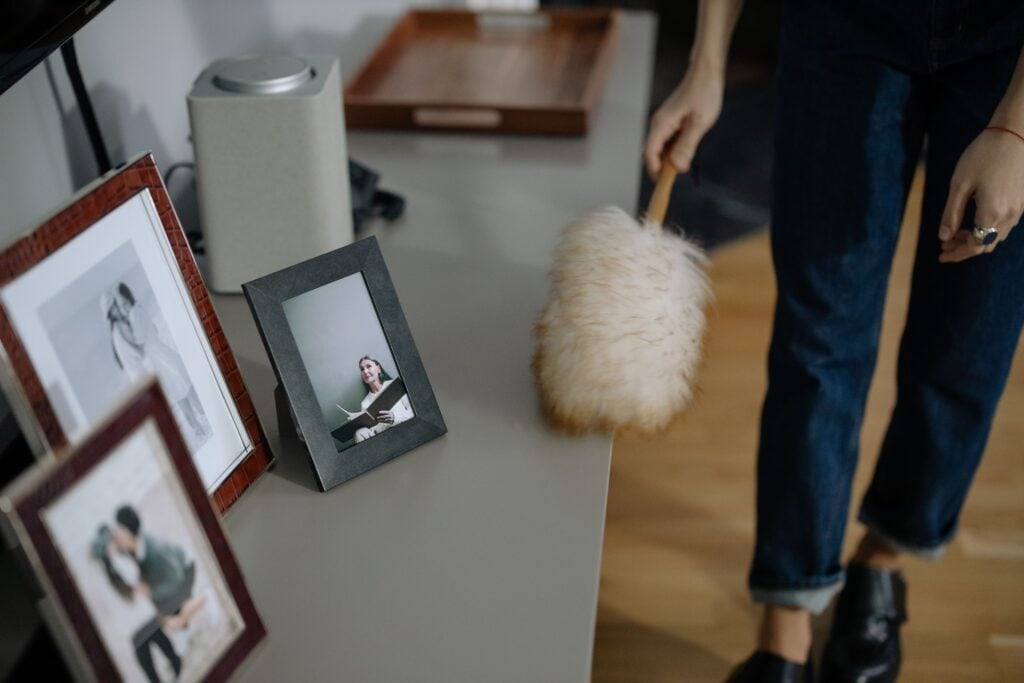
Some of us grew up cleaning a room from the bottom up without giving much thought to where all that dust was going. The trouble is that dusting furniture after you’ve already vacuumed or cleaned the floor can send dust and debris right back onto the surfaces below.
A top-to-bottom routine makes more sense. Dust shelves, tables, furniture, and other higher surfaces first, then finish by vacuuming or cleaning the floor so you aren’t doing the same job twice.
Ironing Every Piece of Clothing
There was a time when ironing clothes was just part of doing laundry. Shirts, pants, sheets, and plenty of other household fabrics were expected to look crisp before they went into the closet.
These days, many fabrics are designed to resist wrinkles, and hanging clothes up soon after the dryer finishes can help remove many creases. There’s no reason to spend half an afternoon ironing clothes that will look fine without it.
Save the iron for dress shirts, special occasions, or anything else that genuinely needs a little extra attention. Ironing has become much less common for a reason.
Polishing Furniture Constantly
Furniture polish used to be part of the regular cleaning routine in many homes. A quick spray and a good buff made wood furniture look shiny and freshly cleaned, so it became easy to assume that more polish meant better care.
The problem is that repeatedly applying polish can leave buildup on some furniture. That residue may make surfaces feel greasy and give dust something to cling to.
For everyday upkeep, a soft cloth and the cleaning method recommended for the particular finish are often enough. Save furniture polish for occasions when the piece actually needs it. If you enjoy making your own, this beeswax furniture polish is another option.
Forgetting Door Knobs and Handles
Floors, countertops, toilets, and sinks usually get plenty of attention during cleaning. Door knobs, cabinet pulls, drawer handles, and light switches are much easier to overlook, even though people touch them constantly.
These small areas don’t need to become a separate cleaning project. Just add them to your regular routine and give them a quick wipe when you’re already cleaning nearby surfaces.
It can be especially helpful to pay attention to the spots everyone in the household touches throughout the day. These old-school cleaning tips can help you build those little tasks into your routine.
Cleaning Windows on Sunny Days
A bright, sunny day might seem like the perfect time to wash your windows. You can see every smudge, and the extra light makes it easier to tell whether the glass is clean.
The problem is that direct sunlight can heat the glass, causing some cleaning solutions to dry before you have a chance to wipe them away. That can leave behind streaks and make you feel like you have to clean the same window twice.
A cloudy day or a cooler part of the morning or evening can make the job easier. If you’re making your own window cleaner, here’s a simple homemade glass cleaner to try.
Beating Rugs Outside to Remove Dust
Taking rugs outside and beating them to knock out dust was once a pretty normal household chore. It worked to loosen dirt, but it also sent a lot of that dust into the air around you.
A vacuum with the right attachment is usually a better choice for routine rug cleaning. It lets you collect dirt instead of sending it into the air, and you can reach edges and other areas that are easy to miss when you’re shaking a rug outside.
Some rugs still need special care, so check the manufacturer’s cleaning instructions before reaching for a vacuum or cleaning solution.
Saving Everything “Just in Case”
A lot of us grew up in homes where throwing something away was almost unthinkable. An empty container might come in handy someday, an old appliance cord might be useful later, and a drawer full of miscellaneous items was considered good preparation.
Being resourceful is great, but keeping every possible spare item can eventually make the house harder to clean and organize. When storage areas are packed with things you haven’t touched in years, even simple chores become more frustrating.
A regular decluttering habit can help keep that from happening. You don’t have to clear out your entire house in one weekend, either. These decluttering strategies can make the process much more manageable.
Using the Same Sponge for Everything
Many people grew up with one trusty kitchen sponge that handled just about every small mess. It washed dishes, wiped the counter, cleaned up spills, and sometimes ended up being used for jobs it probably shouldn’t have handled.
Sponges can hold onto food particles and moisture, so reusing the same one for multiple tasks isn’t a good idea. You don’t want to move grime from one surface to another with the same cleaning tool.
Keep separate cloths or sponges for different jobs, and wash or replace them regularly. It also helps ensure reusable cleaning tools dry properly between uses, rather than sitting wet beside the sink.
Overloading the Dishwasher
Trying to squeeze one more plate, cup, or bowl into the dishwasher can feel like a smart way to save a cycle. But if everything is packed too tightly, water and detergent may not reach every surface properly.
That can leave you with dishes that still have food or residue on them after the cycle ends. You may then have to wash those same dishes by hand, which defeats the point of packing the machine so tightly in the first place.
Follow the loading instructions for your dishwasher and leave enough room for water to move around the dishes. A properly loaded machine can usually do a much better job than one crammed from top to bottom.
Using Too Much Laundry Detergent
More soap doesn’t automatically mean cleaner clothes. This is one of those habits that makes sense at first, especially if you’ve grown up thinking that a bigger scoop means a better wash.
Too much detergent can leave residue on clothing and inside the washing machine. In some cases, that buildup can contribute to odors and make fabrics feel less fresh.
Modern laundry detergents are often concentrated, so check the label and use the amount recommended for your load size and washer. If your clothes aren’t heavily soiled, you may need less detergent than you think.
Using Harsh Chemicals for Every Cleaning Job
Strong-smelling cleaners were often treated as a sign that something was really getting clean. Many people grew up believing that if a cleaner didn’t smell powerful, it probably wasn’t doing much.
For everyday messes, you often don’t need the strongest product in the cabinet. Warm water, mild dish soap, or a cleaner formulated for the specific surface can handle many routine tasks without the need for harsh chemicals.
That doesn’t mean stronger cleaners never have a place. Disinfectants and specialty products can be useful for certain jobs, but they should be used according to their labels and never mixed with other cleaners unless the label specifically says it’s safe. Here are some gentler homemade cleaning options for everyday jobs.
Other Posts You Might Like
- How to Clean a Couch with a Steam Cleaner
- This Is What People With Clean, Organized Homes Do Differently
- 12 Hidden Habits of People Who Always Have An Immaculately Clean and Organized Home
- 19 Airbnb Cleaning Hacks (Cleaning Secrets for Hosts)
- Grandma’s Best Kept Cleaning Tips That Put Today’s Cleaning Routines to Shame