You can wipe down the kitchen counters, vacuum the living room, and scrub the bathroom until everything looks spotless. Yet there are probably a handful of everyday items around the house that rarely make it onto your cleaning list.
The problem is that many of these things don’t look dirty. They’re touched constantly, handled while we’re eating or cooking, and exposed to moisture, dust, skin oils, and food residue throughout the day. A quick glance won’t tell you how much grime has built up on them.
That doesn’t mean you need to disinfect your entire house from top to bottom every day. A few high-touch items just deserve more attention than they usually get. Here are 10 household items that are easy to overlook during your regular cleaning routine.
1. Kitchen Sponge
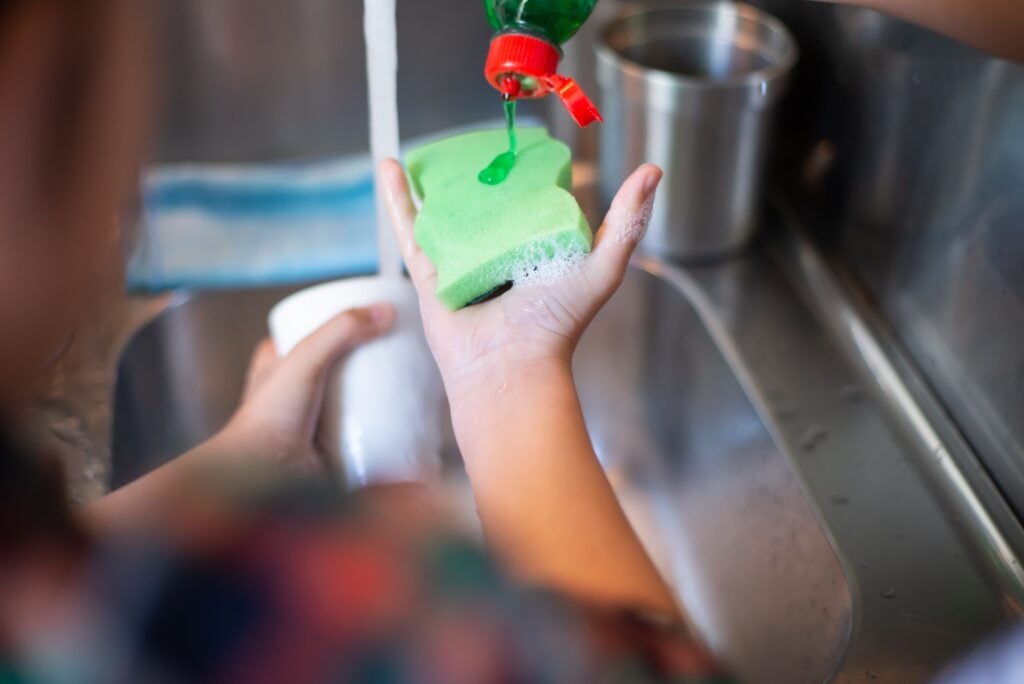
That little sponge sitting beside your sink may look innocent, but it gets exposed to just about everything that comes off your dishes. Food particles, grease, moisture, and leftover crumbs can all end up trapped inside, and the sponge often stays damp between uses.
A quick rinse doesn’t remove everything that has worked its way into the material. Replace sponges regularly, let them dry between uses, and clean them according to the manufacturer’s instructions. If you’re using a sponge that is dishwasher-safe, running it through the dishwasher is an easy way to clean it.
Related: 12 Easy Ways to Keep Your House Clean Without Cleaning All Day
2. Toothbrush Holder
You probably think about keeping your toothbrush clean, but the holder underneath it is easy to forget. Water drips from the bristles, toothpaste can collect around the bottom, and the container can stay damp for hours.
Give the holder a good wash with hot, soapy water at least once a week. Rinse it well and let it dry completely before putting the toothbrushes back. If several people share one holder, it may need to be cleaned more often.
Related: The Forgotten Skills That Once Kept Homes Clean, Tidy, and Comfortable
3. Remote Controls
The remote control gets passed around the house, handled while people are eating, and dropped on couches, tables, and other surfaces. Yet it’s one of those items that can go months without getting wiped down.
Fingerprints, skin oils, crumbs, and dust can collect around the buttons and in the narrow spaces between them. Wipe the remote regularly with a cleaner that’s safe for electronics, and use a dry cotton swab to work around the buttons. Don’t spray liquid directly onto the remote, since moisture can damage the electronics.
4. Kitchen Sink
The kitchen sink may look clean after you rinse it, but it handles a lot throughout the day. Raw meat juices, food scraps, dirty produce, dishwater, and greasy residue all pass through the basin, and some of that mess can remain around the drain and faucet.
Give the sink a proper scrub instead of just rinsing it after doing the dishes. Pay attention to the drain, faucet handles, and the area around the edges where water and food residue can collect.
Related: 12 Items You Should Stop Storing Under the Kitchen Sink
5. Light Switches
Light switches are touched constantly, but most people rarely think about cleaning them. Every person in the house leaves behind fingerprints, skin oils, and whatever else is on their hands.
Take a few seconds to wipe down the switch plates and the switches themselves during your normal cleaning routine. Kitchen and bathroom switches deserve extra attention because they’re often used while cooking, cleaning, or washing up. Use a lightly dampened cloth or a suitable disinfecting wipe, and don’t let liquid seep into the electrical parts.
6. Phone Screens
Your phone probably travels with you everywhere. It sits on desks and counters, gets handled while you’re eating, and comes into contact with your hands dozens, if not hundreds, of times throughout the day.
All that handling means the screen can collect fingerprints, oils, dust, and bacteria. Clean your phone regularly with a microfiber cloth and a screen-safe cleaning product, following the manufacturer’s instructions. Never spray liquid directly onto the phone.
Related: Got Greasy Baking Sheets? Here’s How to Clean Them Without Endless Scrubbing
7. Cutting Boards
Cutting boards can develop tiny grooves from years of chopping and slicing. Those marks can hold onto food residue, especially when the board isn’t washed thoroughly after preparing a meal.
Using the same cutting board for raw meat and ready-to-eat foods can also increase the chance of cross-contamination if it isn’t cleaned properly between uses. Wash boards with hot, soapy water after each use and follow the care instructions for wooden boards. If a board has deep cracks, severe knife marks, or areas that are difficult to clean, it’s probably time to replace it.
8. Refrigerator Handles
You probably open the refrigerator several times a day, and your hands aren’t always clean when you do it. You might grab the handle while preparing raw chicken, handling produce, eating a snack, or cleaning up after dinner.
All of that ends up on a surface that gets touched repeatedly. Wipe refrigerator and freezer handles regularly, and don’t forget the handles on crisper drawers or other frequently used parts of the appliance.
9. Pillows
Washing your pillowcases is a good start, but the pillow underneath can accumulate sweat, body oils, dust, and dead skin over time. Some pillows can also collect dust mites, which can be a problem for people with allergies.
Check the care label before washing or drying a pillow because different fillings require different care. Some pillows can be machine-washed, while others need spot cleaning or replacement. If a pillow has developed an odor, permanent stains, or has become badly flattened, it may be time to replace it.
10. Reusable Grocery Bags
Reusable grocery bags can get surprisingly dirty because they’re constantly carrying food and other groceries. A bag might hold fresh produce one trip, packaged meat the next, and a leaking container after that, leaving behind residue that isn’t always visible.
If you toss the bags back into the car after every shopping trip without washing them, that buildup can accumulate over time. Wash reusable bags according to their care instructions and let them dry completely before storing them. Bags used for raw meat or other foods that can leak deserve extra attention.