Termites are one of the few household problems that can cause serious damage long before you realize they’re there. They work quietly behind walls, beneath floors, and inside wooden structures, often going unnoticed for months or even years.
Many infestations don’t begin because of one major problem. Instead, they’re often the result of small maintenance issues that make a home easier for termites to invade. A little extra moisture, a pile of firewood in the wrong spot, or a few cracks around the foundation can be all it takes.
The good news is that many of these problems are easy to prevent once you know what to look for. Here are 12 common mistakes that can increase the risk of termite damage.
Excess Moisture
Termites need moisture to survive, so damp areas around your home naturally attract them. Leaking pipes, clogged gutters, poor drainage, and humid crawl spaces all create conditions where termites are more likely to settle.
Fixing leaks quickly and keeping moisture under control can make your home much less appealing.
Wood-to-Ground Contact
Wood that sits directly on the soil gives termites an easy route into your home. Deck posts, wooden siding, porch steps, and fence posts are common trouble spots.
Leaving a gap between wood and the ground makes it much harder for termites to reach your home’s structure.
Poor Ventilation
Crawl spaces, basements, and attics need good airflow to stay dry. Without enough ventilation, moisture builds up and creates conditions termites prefer.
Adding vents or improving air circulation can help keep these areas drier throughout the year.
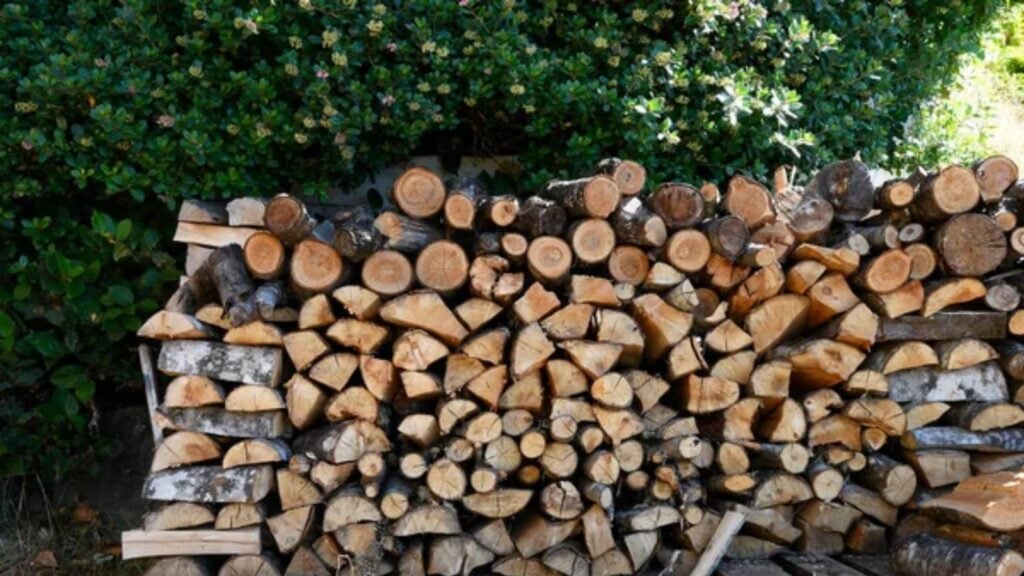
Storing Firewood Too Close to the House
A stack of firewood may seem harmless, but it can become the perfect hiding place for termites. Once they’ve settled into the pile, it’s a short trip to your home.
Store firewood several feet away from the house and keep it raised off the ground whenever possible.
Cracks in the Foundation
Tiny cracks in your foundation may not seem like a big deal, but termites don’t need much space to get inside. Once they find an opening, they can move into the wooden parts of your home without being noticed.
Inspect your foundation regularly and seal cracks before they become larger problems.
Letting Landscaping Get Overgrown
Shrubs, vines, mulch, and tree branches that press against your home can trap moisture and give termites easy access to the structure.
Keeping plants trimmed back also makes it easier to spot mud tubes and other early signs of termite activity.
Poor Drainage Around the Foundation
Water that collects near your home’s foundation keeps the soil damp, creating an environment termites prefer.
Make sure gutters, downspouts, and grading direct rainwater away from the house instead of allowing it to pool nearby.
Using Untreated Wood Outdoors
Untreated lumber breaks down faster and offers little protection against termites. Decks, fences, garden beds, and other outdoor structures made from untreated wood are more likely to suffer damage over time.
Pressure-treated lumber or naturally resistant wood species can provide better protection.
Leaving Yard Debris to Build Up
Old tree stumps, fallen branches, piles of leaves, and scraps of lumber can all attract termites. These materials hold moisture and provide food while allowing colonies to grow close to your home.
Cleaning up yard debris regularly removes places where termites like to gather.
Ignoring Small Gaps and Openings
Tiny gaps around pipes, utility lines, doors, windows, and foundation joints may seem unimportant, but they can provide termites with another way inside.
Sealing these openings is a simple home maintenance task that can help keep pests out.
Skipping Regular Inspections
Because termites often stay hidden, waiting until you see damage usually means they’ve been active for quite some time.
Checking your home regularly for mud tubes, damaged wood, discarded wings, or other warning signs can help you catch a problem before repair costs grow.
Placing Mulch Against the Foundation
Mulch helps retain moisture in flower beds, but placing thick layers directly against your home’s foundation can also create favorable conditions for termites.
Leave several inches of space between mulch and your home’s exterior, and avoid piling it too deeply near the foundation.
Other Topics You Might Like
- If a neighbor’s tree falls on your home in California, who is responsible?
- Need to Block a Neighbor’s View of Your Yard? Here’s How to Do It Without Starting a War
- If a fence falls between neighbors in California, who is responsible for repairs?
- If You Spot These Vintage Garden Peices at a Garage Sale, Grab Them Fast