It’s strange how quickly familiar things can become memories. An item that once sat in almost every home can suddenly become something you only spot in a thrift store, an old family photo, or a forgotten box in the closet.
We’ve watched this happen with things like VHS tapes, cassette players, and pagers. They were once part of everyday life, but changing technology and new habits pushed them aside.
The same thing is happening with many items we still recognize today. Some have already become harder to find, while others are still around but are used less and less. In many cases, these older items may become interesting collectibles simply because fewer people are holding onto them.
If you still have any of these items, you might want to think twice before getting rid of them.

Landline Phones
Traditional home phones have become much less common as smartphones have taken over. Many households no longer see a need for a separate phone line.
Older landline phones, especially vintage models, can still attract collectors who appreciate their design and history.
DVDs, Blu-rays, and CDs
Streaming services have changed the way people watch movies and listen to music. Physical discs that were once stacked on shelves are now often stored away or donated.
Some special editions, rare releases, and older collections may become harder to find as fewer people keep physical copies.
Cash, Coins, and Physical Wallets
Digital payments have made it easier to pay with a phone or card, reducing the need to carry cash. Many younger people rarely keep bills or coins on hand.
While cash is still widely used, traditional wallets and coin collections are becoming less common in everyday life.
Alarm Clocks
For many people, the first thing they reach for in the morning is their phone. Built-in alarms have replaced the small bedside clocks that used to sit on nightstands everywhere.
Classic alarm clocks, especially older mechanical styles, are becoming nostalgic pieces for collectors.
Fax Machines
Fax machines were once a common sight in offices and homes. Today, email, online forms, and digital document sharing have made them far less necessary.
Many younger people have never used one, making fax machines a reminder of an earlier era of communication.
Standalone GPS Devices
Dedicated GPS units were once a must-have for drivers. Today, most people rely on navigation apps built into their smartphones.
Older GPS devices may eventually become collector’s items as fewer people use separate navigation tools.
Printed Newspapers
Many newspapers have moved online as readers turn to websites and digital subscriptions for updates.
Printed editions are still available in many areas, but daily newspapers are no longer as common in homes as they once were.
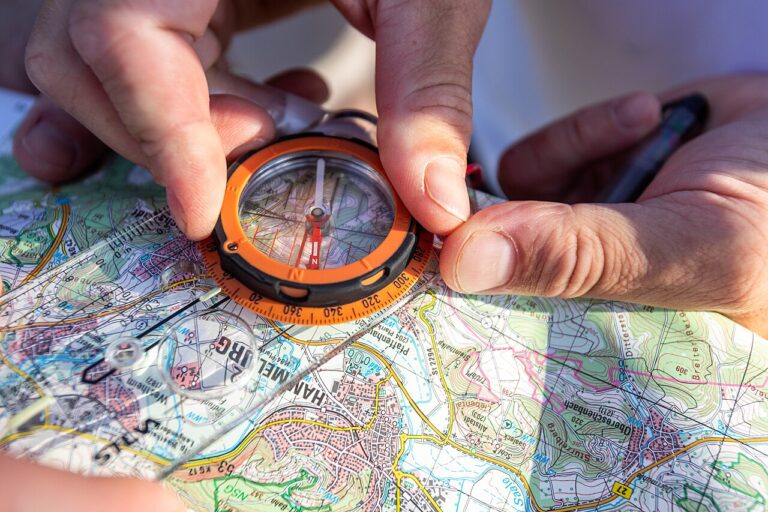
Paper Maps
Before smartphones, paper maps and atlases were essential for road trips and travel. Now, turn-by-turn directions are available instantly through navigation apps.
Old maps can still hold value for collectors, travelers, and people interested in local history.
Printed Photos
Most pictures today stay on phones, computers, or cloud storage. Physical photo printing has become less common than it was years ago.
Old photo collections, albums, and family pictures are often worth saving because they preserve memories that cannot be replaced.
Desktop Computers
Laptops and tablets have become the preferred choice for many people who want portability. Desktop computers are still used for certain jobs and hobbies, but they are less common in homes.
Older computer models may become interesting to technology collectors as time passes.
MP3 Players
Devices like the iPod changed how people listened to music before smartphones took over. Today, most people stream songs directly from their phones.
Working MP3 players and early music devices may become collectible pieces from the early days of digital music.
Point-and-Shoot Digital Cameras
Smartphones now handle most casual photography, reducing the need for separate digital cameras.
Older compact cameras may still appeal to photography fans who enjoy their unique features and image quality.
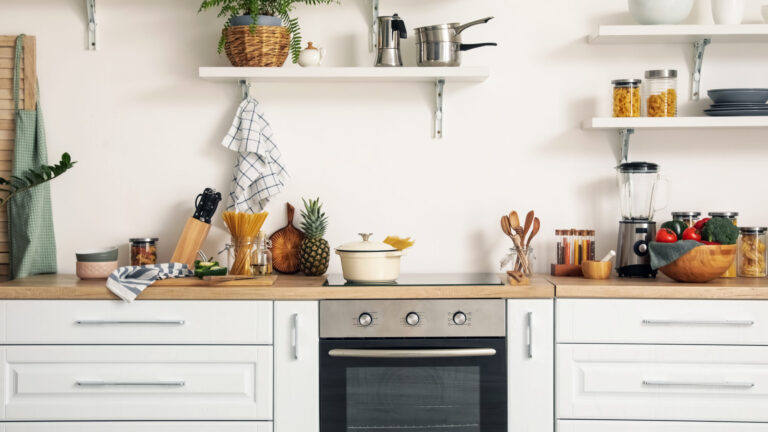
Physical Cookbooks
Online recipes, cooking apps, and videos have changed how many people find meal ideas. As a result, fewer kitchens have large cookbook collections.
Classic cookbooks, family recipe books, and older editions can still hold sentimental and collectible value.
DVD and CD Players
As physical media becomes less common, the devices used to play discs are also disappearing. Many newer homes no longer have DVD players or CD players.
Older models, especially high-quality audio equipment, may become harder to find in good condition.
Physical Photo Albums
Digital storage has replaced many traditional photo albums. Instead of printing pictures, people often keep thousands of images on their phones.
Still, physical albums remain special because they provide a tangible connection to family memories and past events.
Technology will keep changing, but items from the past often gain new meaning once they become rare. Before you clear out old drawers, closets, or storage boxes, take a second look. Some of those forgotten items may be worth keeping.
Other Posts You Might Like
- 20 Collectibles in Your Parents’ House That Could Be Worth a Fortune
- 13 Random Items in Your Home That Could Be Worth Thousands
- From Oil Lamps to Porcelain Pigs, These Are the Strangest Things People Collect
- 13 Garage Sale Items That Collectors Actively Look For (and Pay Well For)
- 17 Everyday Items in Your Kitchen That Are Secretly Valuable