Basements are often used for extra storage, casual living space, and shelter during severe weather. While they can be incredibly useful, not everything belongs in a basement. Storing the wrong items can create safety risks and even cause long-term damage to your home.
To help protect your space and keep it organized, here are 12 things you should never store in a basement.
Important Documents and Valuables
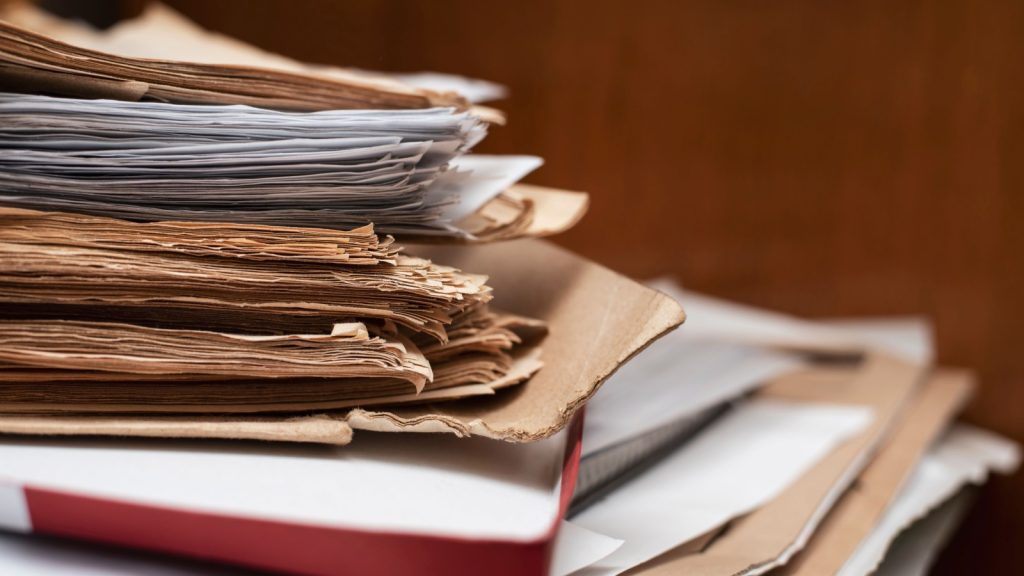
Basements are prone to moisture, which can damage important papers such as birth certificates, passports, and other legal documents. Additionally, storing valuables such as jewelry and cash in a basement increases the risk of theft or damage from flooding or leaks.
Keep these documents and valuables in a secure location on an upper level of your home, preferably in a fireproof and waterproof safe.
Related: 15 Important Documents You Should Never Throw away
Paint
Many people store leftover paint cans in their basements, which can be dangerous. Extreme basement temperatures can cause paint to freeze or dry out, rendering it unusable. Paint also emits harmful fumes that can seep into nearby items. Store paint in a temperature-controlled area or dispose of it properly in accordance with local regulations.
18 Best Cabinet Paint Colors by Sherwin-Williams, 2026
Wooden Furniture
Basements are often damp, which can cause wooden furniture to warp and rot. If you have no other place to store the wooden furniture besides the basement, get yourself a dehumidifier to lower the moisture levels.
Food
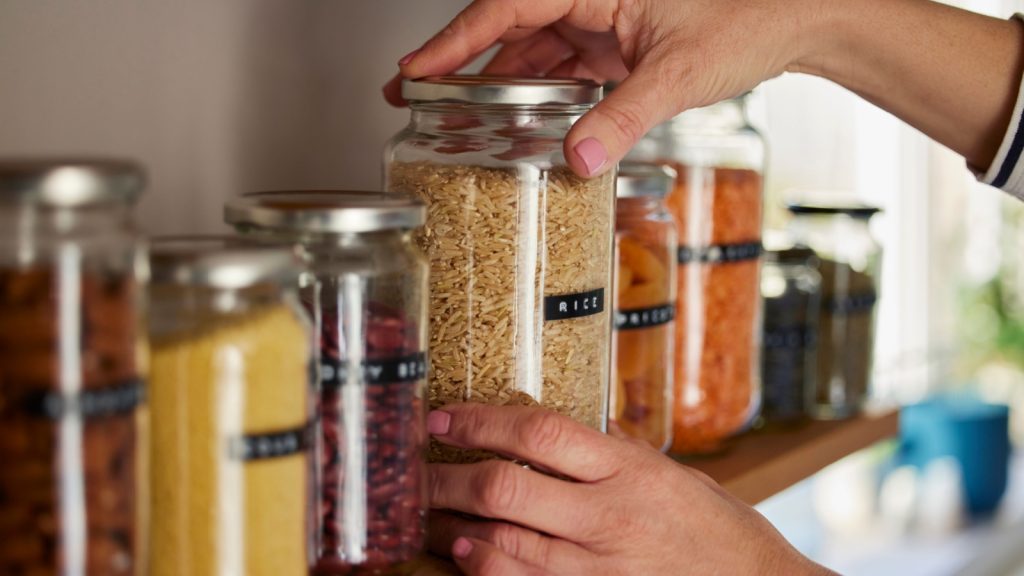
Basements and food storage are a lousy combination because of the potential for exposure to pests, mold, and mildew, which can make food unsafe and inedible. Keep non-perishable goods on shelving units or in a pantry on the upper floor of your home.
Related: 6 Effective Ways to Clean Mold from Shower Caulk and Grout
Electronics
Basements are notorious for being damp and prone to flooding, which can damage electronic devices beyond repair. If you must store electronics in a basement, keep them elevated off the ground and sealed in waterproof containers.
Photos and Albums
Photos and albums should never be stored in basements. Moisture, heat, and pests can ruin these sentimental belongings. If you can, store them in a cool, dry place on a higher level of your house.
Books
Why keep your favorite books in a damp basement? Too much moisture can warp pages and cause mold, rendering them unreadable. Store books in a heated, climate-controlled area of your home, or consider installing a dehumidifier in your basement.
Musical Instruments
Many people use their basements as practice spaces for musical instruments. However, extreme temperatures and humidity can cause damage to these delicate instruments. Store them in temperature-controlled areas or invest in a dehumidifier for your basement.
Clothing
Clothing should not be stored in basements. They can absorb moisture, which can cause stinky odors and mildew growth. If you have to store clothes in the basement, put them in sealed containers and check them for signs of damage or dampness regularly.
Flammable Items
Never store gasoline, propane tanks, or other flammable items in a basement. They could create hazardous vapors and increase the danger of fires or blasts. Instead, please keep them in a dry, well-ventilated location outside your home.
Hazardous Chemicals
Basements should never be used to store dangerous chemicals, such as pesticides, fertilizers, paint thinners, etc. If these chemicals leak or spill, they can emit toxic fumes that can be harmful to your health and that of your loved ones. Store these items in a well-ventilated area away from your home.
Unused Appliances and Tools
Although storing additional tools and appliances in the basement is tempting, this will only create chaos. Mold and drastic temperatures may ruin these items, making them unsafe to use. For appliances that must be stored in the basement, ensure they are raised off the floor and wrapped in a water-resistant material.