We don’t usually think of the kitchen as a dangerous place. It’s where we cook, gather, and unwind. But hidden among everyday tools and ingredients are items that can become surprisingly hazardous under the right (or wrong) conditions.
We’re not talking about dramatic movie-style explosions. In most cases, it’s built-up pressure, trapped steam, rapid temperature changes, or flammable particles that cause sudden bursts, shattering glass, or fire flare-ups.
The good news? Most of these risks are completely preventable once you know what to watch for. Here are common kitchen items that can explode — and why.
Aerosol Cans
That can of cooking spray, whipped cream, or even canned air might seem harmless sitting on the counter. But aerosol cans are pressurized. If left near a hot stove, oven vent, or in direct sunlight, the internal pressure can rise enough to cause the can to burst.
Store aerosol products in a cool, dry place and never leave them near heat sources.
Carbonated Drinks in the Freezer
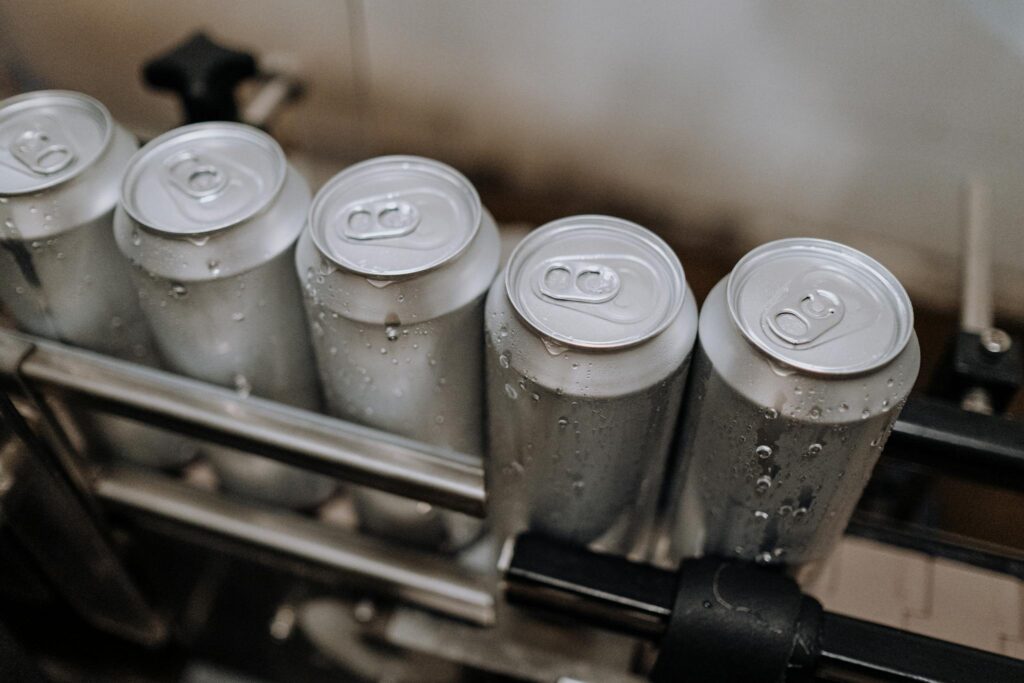
It’s tempting to toss a soda or sparkling water in the freezer for a quick chill. But carbonation plus freezing equals pressure. As liquid freezes and expands, the sealed can or bottle can burst.
If you do freeze one briefly, set a timer so you don’t forget it.
The Most Unexpected Ways People Use A Can of Coke That Have Nothing to Do With Drinking It
Glass Containers in the Freezer
Putting leftovers in a glass jar and sliding them into the freezer feels efficient until the contents expand. Liquids expand as they freeze, and if there’s no room to accommodate that expansion, the pressure can crack or shatter the glass.
Worse, if that cracked container later goes straight into the microwave or oven, it can break dramatically. Use freezer-safe glass and always leave headspace for liquids.
Overheated Microwave Popcorn

Microwave popcorn works because the moisture inside the kernels turns to steam. But if the bag overheats or is left too long, the paper can ignite. It doesn’t happen often, but it absolutely can.
Always listen for the popping to slow and avoid walking away mid-cycle.
Boiled Eggs (Especially in the Microwave)
Heating whole eggs in the microwave is a common mistake. Steam builds inside the shell (or even inside a peeled egg), and without a way to escape, pressure builds until it bursts, sometimes after you remove it.
If reheating eggs, slice them first to release pressure.
Don’t Throw Away Eggshells—11 Frugal Ways to Reuse Them in Your Garden
Pressure Cookers
Modern pressure cookers are much safer than older models, but they still rely on tightly controlled steam pressure. If the vent is blocked or the lid is opened prematurely, hot steam can release forcefully.
Always follow manufacturer instructions and allow full pressure release before opening.
Blending Hot Liquids
Pouring hot soup into a blender and sealing the lid tightly can create a pressure bomb. Heat turns to steam, steam builds pressure, and without ventilation, the lid can blow off mid-blend.
Let liquids cool slightly and vent the blender lid to prevent pressure buildup.
Deep Frying Wet or Frozen Food
Water and hot oil do not mix. When frozen or wet food hits hot oil, the water instantly turns to steam, expanding rapidly and causing oil to splatter violently. In worst cases, it can lead to flare-ups or grease fires.
Always pat food dry before frying.
Bulging or Damaged Canned Goods
If a canned food container is bulging, dented at the seams, or hissing when opened, that’s a sign of gas buildup from bacterial growth. In rare cases, severely pressurized cans can rupture.
Never use canned goods that show swelling or rust around the seams.
Flour and Powdered Sugar Near Open Flame
This one surprises most people. Fine powders like flour and powdered sugar are combustible when dispersed in the air. If enough dust becomes airborne near a gas flame or spark, it can ignite.
This is why commercial bakeries follow strict dust-control safety rules.
Mason Jars in the Oven
Mason jars are made for canning, not baking. They aren’t designed to handle dry oven heat. Uneven expansion can cause the glass to crack or shatter.
Use oven-safe bakeware instead of standard canning jars.
Oil Near Active Burners
Bottles of cooking oil stored next to the stove can heat up faster than you realize. If a bottle tips or oil splashes onto an open flame, it can ignite quickly.
Keep oils stored away from burners and other heat sources.
Sealed Containers in the Microwave
Any fully sealed container heated in the microwave can build internal pressure from steam. Without a vent, it can suddenly burst open.
Loosen lids or use microwave-safe covers with ventilation.
Thermoses or Insulated Bottles Heated
Placing a sealed, insulated container near a heat source or in hot water can cause internal pressure to build. These containers are meant to retain heat, not withstand external heating.