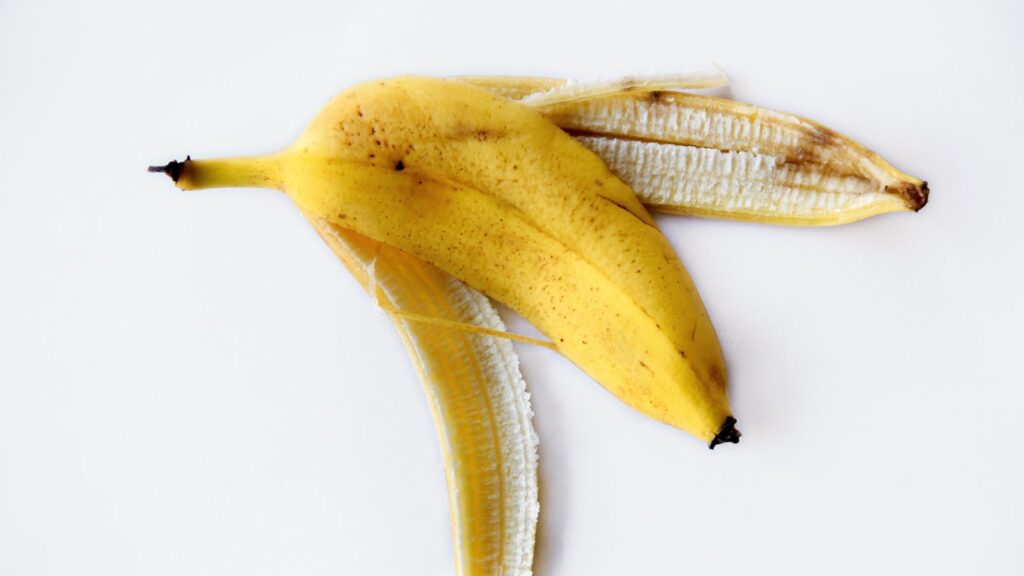
Most of us throw banana peels in the trash without giving them much thought. But before you toss your next one, consider putting it in the garden instead. Banana peels contain potassium and smaller amounts of calcium, magnesium, and other minerals that can contribute to healthy plant growth.
That doesn’t mean every plant needs banana peels, or that they can replace a balanced fertilizer. Used as compost, dried and ground into small pieces, or made into a simple banana peel tea, they can add organic material and nutrients to your soil.
The trick is using them in a way that lets the nutrients break down and become available to plants. Fresh peels buried directly beside plant roots can take time to decompose and may attract unwanted pests.
Here are 12 garden favorites that can benefit from banana peels when they’re used as part of good soil care.
Tomatoes
Tomatoes need a steady supply of nutrients throughout the growing season, particularly while they’re flowering and producing fruit. Potassium plays a role in fruit development, while calcium supports healthy plant tissue.
Adding banana peels to your compost is an easy way to put them to work. You can also use diluted banana peel tea occasionally, alongside your regular fertilizer routine.
Related: 10 Tomato Growing Tricks That Lead to a Garden Full of Fruit
Peppers
Peppers spend much of the growing season producing flowers and fruit, so keeping the soil well supplied with nutrients matters. Banana peels can contribute potassium as they break down in compost.
If you make banana peel tea, dilute it before using it around your plants. A light application from time to time is plenty; more fertilizer isn’t always better.
Cucumbers
Cucumber vines can grow surprisingly fast once warm weather arrives. With all that growth and fruit production, they need access to nutrients and moisture throughout the season.
Composted banana peels can add organic matter and minerals to the soil. Mix the finished compost into the garden bed rather than burying whole peels beside the roots.
Zucchini
A healthy zucchini plant can produce an impressive number of leaves, flowers, and fruits in a short period. That kind of growth means the plant benefits from fertile soil.
Banana peels can become part of that fertility through composting. The resulting compost adds organic matter while the decomposed peel contributes nutrients to the soil.
Green Beans
Green beans don’t need heavy feeding, particularly if they’re growing in healthy soil. Still, adding homemade compost that contains banana peels can provide organic matter and a modest amount of nutrients.
This is a better choice than piling fresh peels around the plants. Compost gives the peels time to break down and reduces the chance of attracting flies or other pests.
Strawberries
Strawberries produce flowers and fruit over a long portion of the growing season, so healthy soil can make a difference. Potassium is involved in many plant processes, including the movement of sugars within plants.
Adding banana peels to your compost is an easy way to recycle kitchen scraps while creating useful soil amendments for the garden.
Related: 14 Fruits and Vegetables You Should Never Store Together (They May Spoil Faster)
Roses
Roses put a lot of energy into producing new leaves, stems, and flowers. Banana peels are sometimes used by gardeners as a source of potassium, especially in homemade compost.
If you’d like to try them, compost the peels first and add the finished compost around your roses. Dried banana peel powder can also be mixed into compost rather than applied in large amounts directly around the plant.
Hydrangeas
Hydrangeas benefit from fertile soil and regular access to nutrients during the growing season. Adding banana peels to your compost can help create a nutrient-rich material for use around established plants.
Keep in mind that banana peels won’t determine whether your hydrangeas produce blue or pink flowers. Soil pH plays a much bigger role in flower color for varieties that can change color.
Related: Plant These 23 Colorful Perennials Once and Enjoy Years of Gorgeous Blooms
Sunflowers
Sunflowers can become surprisingly tall and produce large flower heads, which means they need good growing conditions throughout the season. Nutrient-rich soil helps support that growth.
Composted banana peels can be one small part of a healthy soil mix. Combine them with other compost ingredients rather than relying on banana peels alone to feed your sunflowers.
Marigolds
Marigolds are fairly easygoing garden plants, but they still benefit from fertile soil and regular watering. If you already compost kitchen scraps, banana peels make a useful addition to the pile.
Once the peels have broken down into finished compost, mix some into the soil before planting or add a small amount around established plants.
Related: 18 Disease-Resistant Plants That Are Easy to Grow
Eggplant
Eggplants, like tomatoes and peppers, produce fruit over the course of the growing season and need access to a steady supply of nutrients. Potassium is especially useful during periods of flowering and fruit production.
Banana peel compost can add a little extra organic matter and potassium to the soil. If you’re using banana peel tea, keep it diluted and treat it as a supplement rather than the plant’s only source of fertilizer.
Blueberries
Blueberries are a little different from many of the plants on this list. They prefer acidic soil, so tossing banana peels directly around them isn’t a magic fertilizer trick.
Instead, banana peels can be added to a compost pile along with other organic materials. Use the finished compost sparingly, and keep the blueberry bed’s soil pH within the range blueberries need. A soil test is much more useful than guessing based on the plant’s appearance.
A Better Way to Use Banana Peels in the Garden
Banana peels can be useful, but there’s no need to make them the star of your fertilizer routine. Composting is usually the easiest option because it lets the peels break down alongside other kitchen and yard waste.
If you prefer banana peel tea, don’t treat it as a complete fertilizer. Banana peels are relatively low in nitrogen, so plants still need other nutrients for balanced growth.
And if you bury peels directly in the garden, chop them into smaller pieces and keep them away from the plant stem. This gives them a better chance to break down without creating a pile of food waste right beside your plants.
The next time you eat a banana, that peel doesn’t have to go straight into the trash. Add it to the compost pile, and your garden can make use of what would otherwise become kitchen waste.