Creating a healthier, more resilient garden doesn’t have to be complicated. One of the easiest ways to reduce maintenance needs and avoid common plant problems is to choose varieties that are naturally resistant to disease.
These plants are better equipped to handle challenges like pests, drought, and changing weather conditions. Instead of constantly treating issues, you can rely on hardy plants that continue to grow and bloom with minimal effort.
If you’re looking for dependable options that still bring color and interest to your space, these disease-resistant plants are a great place to start.
Black-Eyed Susan (Rudbeckia hirta)
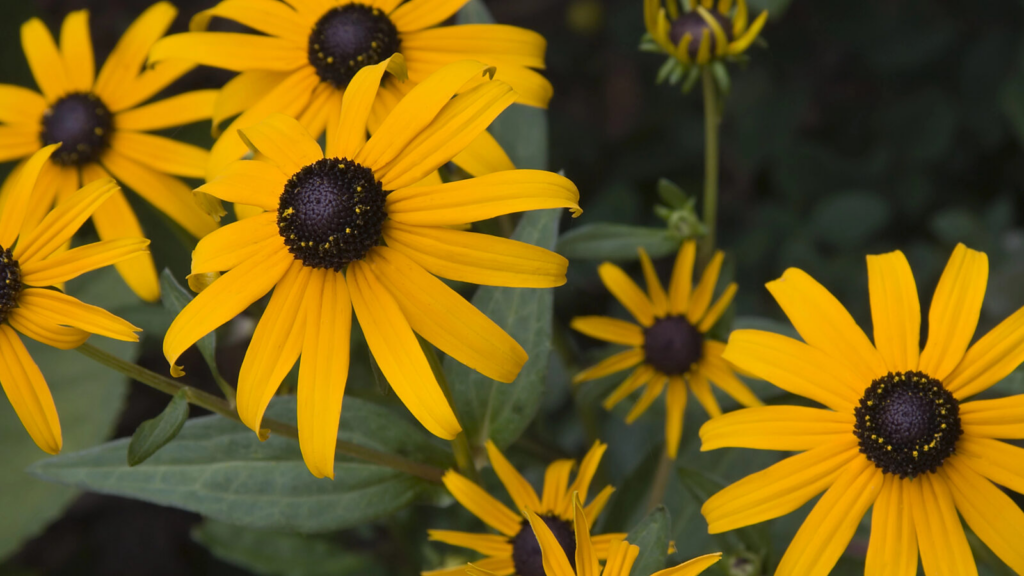
Black-eyed Susan is a cheerful, sun-loving flower that originates from North American wildflowers. It’s known for its strong disease resistance and ability to thrive in a range of conditions.
Growing 2-3 feet tall, it does best in full sun with well-drained soil and performs well in zones 3–9.
Purple Coneflower (Echinacea purpurea)
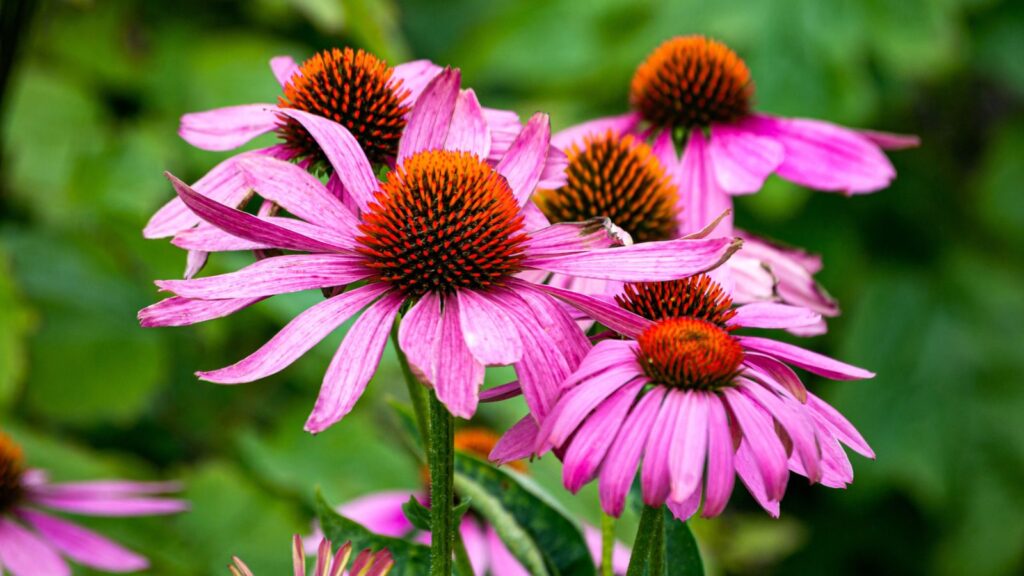
This hardy perennial produces large, daisy-like flowers with purple petals and a distinctive orange center.
It typically grows 2 to 4 feet tall and blooms from early summer into fall. Purple coneflower thrives in full sun to partial shade and is well-suited for zones 3–9.
Bee Balm (Monarda didyma)
Bee balm is a vibrant perennial that produces clusters of red, pink, or purple flowers that attract pollinators.
It prefers full sun to partial shade and moist, well-drained soil. While it spreads easily, it’s generally disease-resistant and thrives in zones 4–9.
Blazing Star (Liatris spicata)
Blazing star stands out with its tall spikes of purple flowers and upright growth habit.
This low-maintenance plant is rarely affected by pests or disease and grows 2 to 4 feet tall. It performs best in full sun and well-drained soil.
Blue False Indigo (Baptisia australis)
This bushy perennial produces tall spikes of blue, pea-like flowers in late spring. It grows up to 4 feet tall and thrives in full sun or partial shade. Once established, it’s very hardy and requires little attention.
New England Aster (Symphyotrichum novae-angliae)
A great choice for challenging soil conditions, New England aster produces bright purple or pink blooms with yellow centers. It handles clay soil and heavy rainfall well while attracting bees and butterflies.
Butterfly Weed (Asclepias tuberosa)
Known for its bright orange flowers, butterfly weed is a favorite for attracting pollinators. It grows in clumps and prefers full sun with well-drained soil. It’s a tough, drought-tolerant plant once established.
Joe-Pye Weed (Eutrochium purpureum)
This tall perennial produces clusters of soft pink-purple flowers and can grow up to 7 feet tall. It prefers moist soil and does well in full sun to partial shade, offering both height and strong disease resistance.
Coral Bells (Heuchera spp.)
Coral bells are valued for their colorful foliage and delicate flower spikes. They are low-growing and ideal for shaded areas, especially woodland gardens, and are rarely affected by disease.
Penstemon (Penstemon digitalis)
Penstemon is a drought-tolerant perennial with tall spikes of tubular white or pink flowers. It adapts well to both full sun and partial shade and requires minimal watering once established.
Lavender (Lavandula)
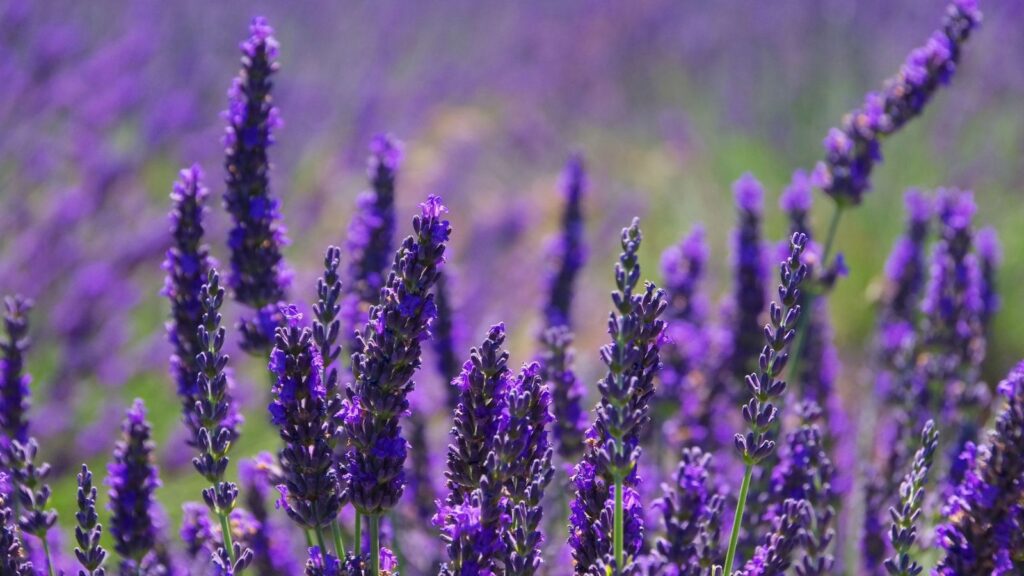
Lavender is a well-known favorite for its fragrance and soft purple blooms. It thrives in full sun, requires little water, and naturally resists pests and deer, making it a great low-maintenance option.
Eastern Red Columbine (Aquilegia canadensis)
This plant produces delicate red and yellow flowers that bloom in spring and early summer. It’s a good choice for rain gardens and grows well in zones 3–8.
Cardinal Flower (Lobelia cardinalis)
Cardinal flower produces striking red blooms and does well in partially shaded areas. It grows 2 to 4 feet tall and adds bold color while maintaining strong disease resistance.
Creeping Phlox (Phlox subulata)
This low-growing plant spreads to form a colorful carpet of flowers, making it ideal as ground cover. It tolerates light foot traffic and thrives in sunny areas with well-drained soil.
Prairie Smoke (Geum triflorum)
Prairie smoke is known for its unique, wispy seed heads that resemble drifting smoke. It produces soft pink flowers and grows well in zones 3–7 in full sun or partial shade.
Yarrow (Achillea millefolium)
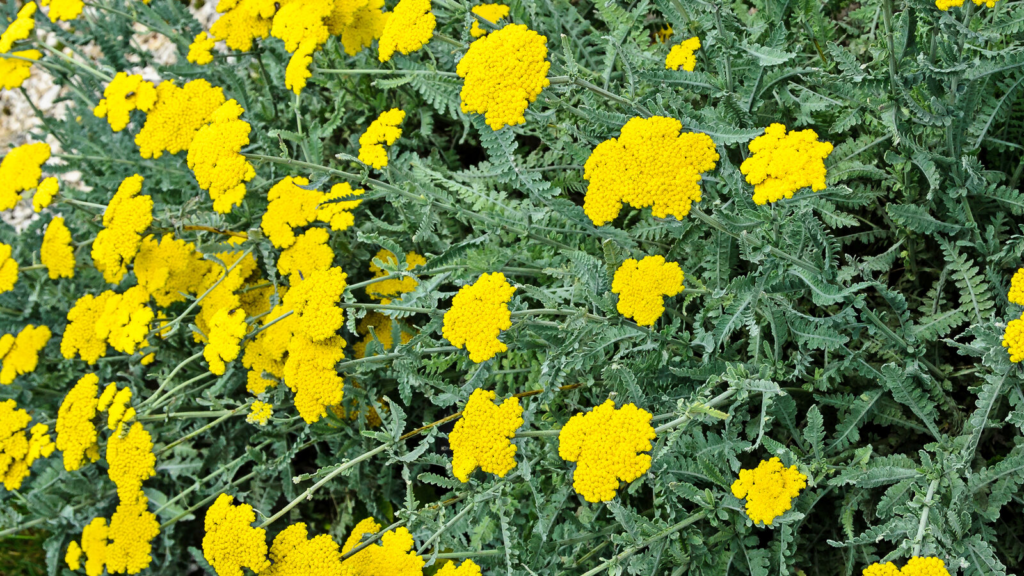
Yarrow is a tough, drought-tolerant plant that produces clusters of small flowers in white, yellow, or pink. It grows 1 to 3 feet tall and thrives in poor soil with plenty of sunlight.
Goldenrod (Solidago spp.)
Goldenrod is a hardy native plant that adapts to many soil types. It produces bright yellow flowers and grows up to 5 feet tall in sunny conditions.
Blanket Flower (Gaillardia spp.)
This colorful perennial produces red and yellow daisy-like flowers throughout the summer. It’s low-growing, easy to care for, and thrives in zones 3–10.
Other Topics You Might Like
- 13 Gardening Antiques Collectors Love and Often Pay Up For
- I Stopped Buying Fertilizers After Years of Gardening and Started Using This Instead
- Some of the Best Gardening Tips I Ever Got That Break All the Rules
- 9 Vintage Gardening Tools Hiding in Grandma’s Potting Shed— Some Could Be Worth a Small Fortune