
It’s easy to assume the things we use every day will always be around, but plenty of once-common items have already faded from daily life. Phone books, VHS tapes, pagers, and floppy disks were familiar parts of life just a few decades ago, yet many people rarely encounter them today.
New technology, changing habits, and a preference for digital services could make other familiar products less common over the next 10 to 20 years. Some may stick around for specific uses, while others could become harder to find outside thrift stores, antique shops, and collectors’ shelves.
Printed Bills and Statements
Many banks, utility companies, and service providers now let customers receive bills and statements online instead of through the mail. Paper copies will likely remain available, but fewer households may choose to receive them as online accounts become more common.
Related: Everyday Items That Are Almost Always Worth Buying Secondhand
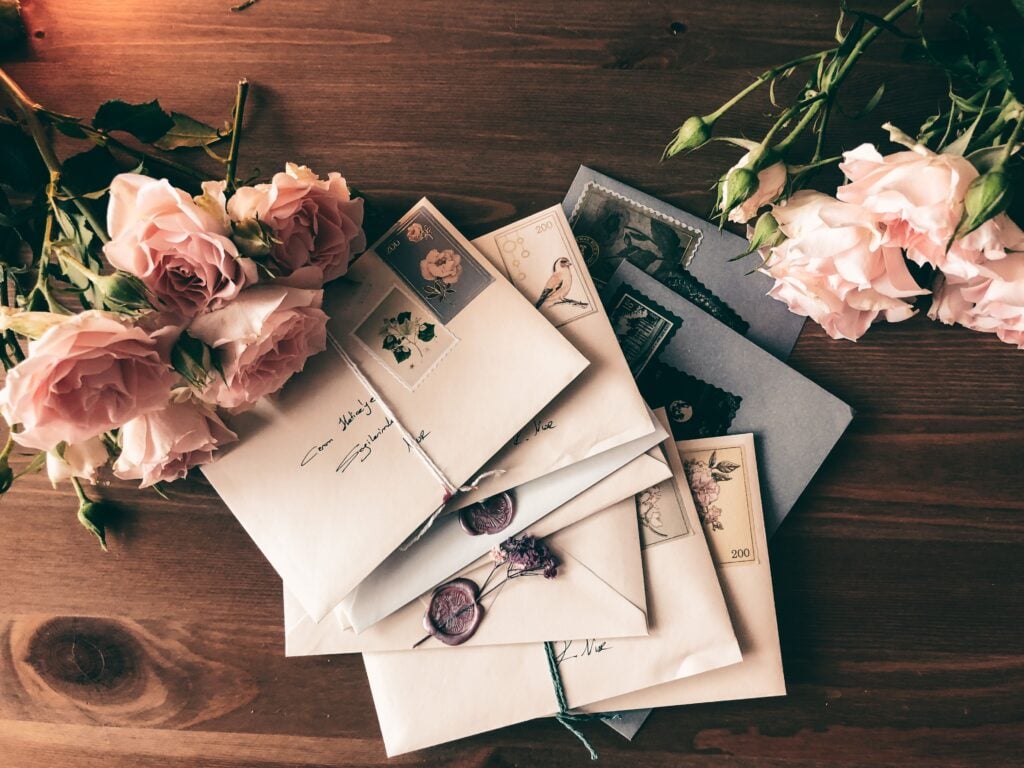
Envelopes and Stamps
Personal letters are less common than they once were, and many documents can now be signed and sent electronically. Postal mail isn’t going away, but fewer people may keep envelopes and postage stamps on hand for everyday correspondence.
Related: 15 Yard Sale Items Buyers Snatch Up Almost Immediately
Traditional Radio (AM/FM)
Many listeners now use music apps, podcasts, and internet radio instead of tuning in to traditional AM and FM stations. Broadcast radio still serves drivers, local communities, and emergency communication needs, though its role in daily entertainment may continue to change.
Related: 13 Vintage Gardening Items That Collectors and Gardeners Seek Out
Cable TV Boxes
Streaming services have given viewers more ways to watch shows and movies without a traditional cable subscription. As smart TVs and streaming devices become common, fewer households may need a cable box sitting beside the television.
Related: Dollar Tree Shoppers Agree These Items Aren’t Worth Bringing Home
Paper Receipts
Many retailers offer receipts by email or text, and some customers choose not to print a copy at all. Paper receipts still work for certain purchases and returns, but more shoppers may prefer digital records.
Plastic Shopping Bags
Some cities and retailers have restricted single-use plastic shopping bags, encouraging customers to bring reusable bags or choose other options. Rules vary by location, but disposable bags may become less common where restrictions or fees apply.
Landline Phones
Many households have given up traditional landlines and now rely on mobile phones for calls. Home phone service may remain useful for some families and businesses, but younger generations are becoming less familiar with the old telephone sitting on the kitchen counter.
DVDs, Blu-rays, and CDs
Streaming platforms have made movies and music available without needing a shelf full of discs. Physical media will likely remain popular with collectors and fans who prefer owning their favorites, though fewer new devices include built-in disc drives.
Gas-Powered Vehicles
Electric vehicles are becoming more common, and automakers continue to offer more options for drivers interested in electric transportation. Gas-powered cars are likely to remain on the road for many years, but their share of new vehicle sales could decline as charging access and vehicle choices change.
Cash and Physical Wallets
Contactless cards and mobile payment apps let people pay for many purchases without carrying much cash. Bills and coins remain useful in plenty of situations, but some people may eventually choose smaller wallets or use phone-based payment options for most transactions.
Alarm Clocks
Smartphones have replaced separate alarm clocks in many bedrooms because they can handle wake-up alarms, timers, and reminders in one place. Traditional clocks still appeal to people who prefer a screen-free bedroom or want a backup alarm without relying on their phone.
Fax Machines
Fax machines were once common in offices and some homes, but email, electronic forms, and digital signatures now handle many tasks that required a fax. Some medical, legal, and business settings still use fax technology, though many younger workers are less familiar with it.
Standalone GPS Devices
Dedicated GPS units were once a popular choice for drivers on road trips. Smartphone navigation apps now offer turn-by-turn guidance and live traffic updates, leaving fewer people with a reason to buy a separate device.
Printed Newspapers
Many readers now check news websites, mobile apps, and digital subscriptions instead of buying a printed newspaper each day. Print editions remain available in many communities, but they may become less common as publishers focus more attention on digital readers.
Remote Controls
Remote controls are still common, but some televisions and connected devices can be managed through smartphone apps or voice commands. As these options improve, some devices may have fewer physical controls or rely more on app-based settings.
Checkbooks
Online bill payment, bank transfers, and payment apps have made writing paper checks less common for everyday expenses. People still use checks for some personal and business payments, but fewer keep a checkbook in their bag or desk drawer.
Paper Maps
Folded road maps and printed atlases were once familiar travel companions, especially on long drives through unfamiliar places. Navigation apps now provide live directions and traffic updates, though paper maps may still appeal to campers, travelers, and people who want a backup when phone service is unavailable.
Printed Photos
Most pictures today are taken on smartphones and stored on devices or in online accounts rather than printed. Physical prints may become less common, but they remain a favorite way to display family memories or create keepsakes for special occasions.
Desktop Computers
Laptops and tablets are easier to carry, making them a practical choice for many households and workplaces. Desktop computers will likely remain popular for gaming, professional tasks, and home offices, though they may take up less space in the average home than they once did.
Wired Headphones
Wireless earbuds and Bluetooth headphones let people listen without cables, making them a popular choice for phones and other portable devices. Wired headphones still offer a simple option without battery charging, but they may become less common as more devices omit the traditional headphone jack.
USB Flash Drives
Cloud storage services make it easy to save files online and open them from different devices without carrying a physical drive. USB flash drives still work well for moving files offline, but fewer people may rely on them as online storage becomes more familiar.
Point-and-Shoot Digital Cameras
Smartphone cameras can take detailed pictures and make it easy to share them right away, reducing the need for a separate compact camera. Dedicated cameras still appeal to photography fans who prefer their controls or image quality, so they may remain available for those who want something beyond a phone.
Printed Cookbooks
Recipe websites, food blogs, and cooking videos make it easy to find meal ideas without buying a printed book. Cookbooks still have a place in many kitchens, especially for family recipe collections and well-loved editions people enjoy browsing or passing down.
Wall Calendars
Digital calendars can send reminders and sync appointments across phones and computers, making scheduling easier for many people. Wall calendars remain useful for quick visual planning, but fewer households rely on them as their main way to track dates.
Physical Photo Albums
Family photo albums once held years of memories on shelves or coffee tables, but many people now keep their pictures on phones and in online storage. Printed albums still offer a personal way to revisit family events, and they can be especially valuable when shared with relatives or passed down through generations.
Paper Boarding Passes
Many airlines let passengers use mobile boarding passes, which passengers can scan directly from their phone at the airport. Printed passes may still help travelers who prefer paper or struggle with a mobile device, but they may become less common as digital check-in grows.
Traditional Car Keys
Many newer vehicles use key fobs, push-button starts, or digital keys that work with compatible smartphones. Metal keys remain common in older cars and may still be used as backups, but drivers buying newer models are becoming less familiar with them.
Physical Gift Cards
Digital gift cards can be sent by email or text and used online or at participating stores, eliminating the need for a plastic card. Physical gift cards remain popular for birthdays and holidays, though digital versions may become the more convenient choice for many shoppers.
Paper Coupons
Retailers increasingly share discounts through websites, email offers, and mobile apps instead of printed coupon pages. Paper coupons still appear in newspapers and mailers, but shoppers may find more promotions through digital accounts and store apps.
Store Loyalty Cards
Many retailers now let customers collect rewards and access discounts through an app or online account. Plastic loyalty cards may linger for years, but phone-based membership details can reduce the need to carry a separate card for every store.
Printed Instruction Manuals
Many manufacturers now put product instructions online, sometimes using a QR code or website address included with the purchase. Printed manuals are still useful when internet access is limited, but some products may include shorter paper guides and keep the full instructions online.