Building a food stockpile doesn’t require filling an entire cart or spending hundreds of dollars at once. Adding an extra $10 to your grocery budget each week gives you $520 over a year to gradually put toward food and other basics you actually use.
The key is not trying to buy everything at once. Spend that $10 strategically, take advantage of lower prices when you find them, and slowly build a pantry that can help during an emergency, unexpected expense, or simply a week when the grocery budget is tight.
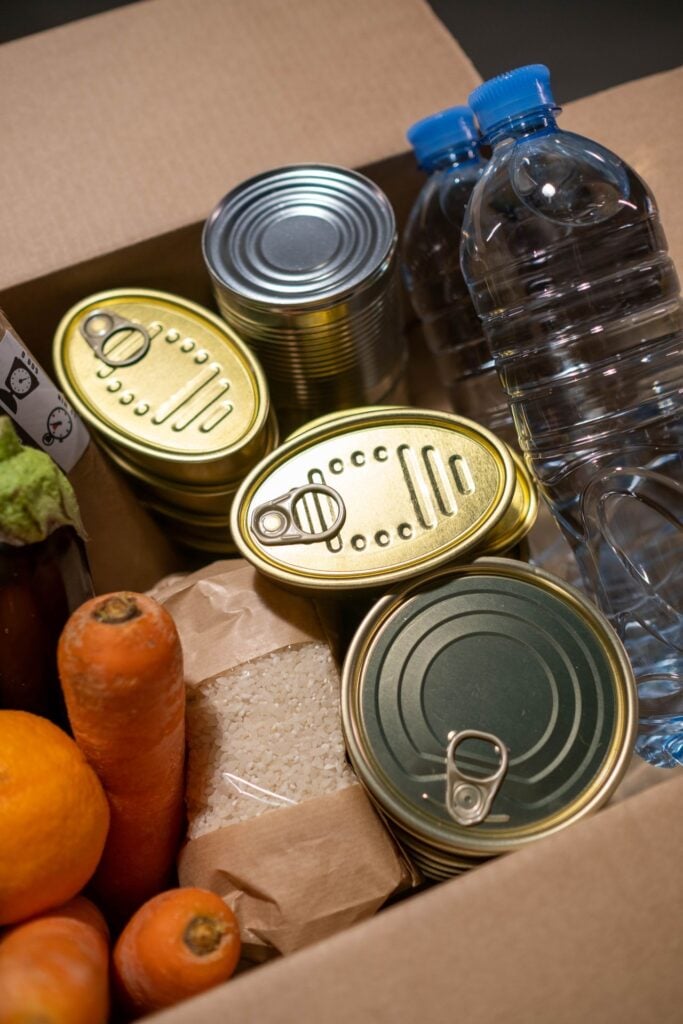
Give the $10 Its Own Job
Treat the $10 as a separate part of your weekly grocery budget rather than grabbing random extras at checkout. Before shopping, decide what your stockpile needs most and use that week’s money specifically for it.
One week might be canned vegetables and the next could be rice or peanut butter. Having a plan keeps a small budget from disappearing on things that don’t add much value to your pantry.
Buy Whatever Is on Sale That Week
You don’t have to buy the same stockpile items every week. Let the sales help decide where your $10 goes.
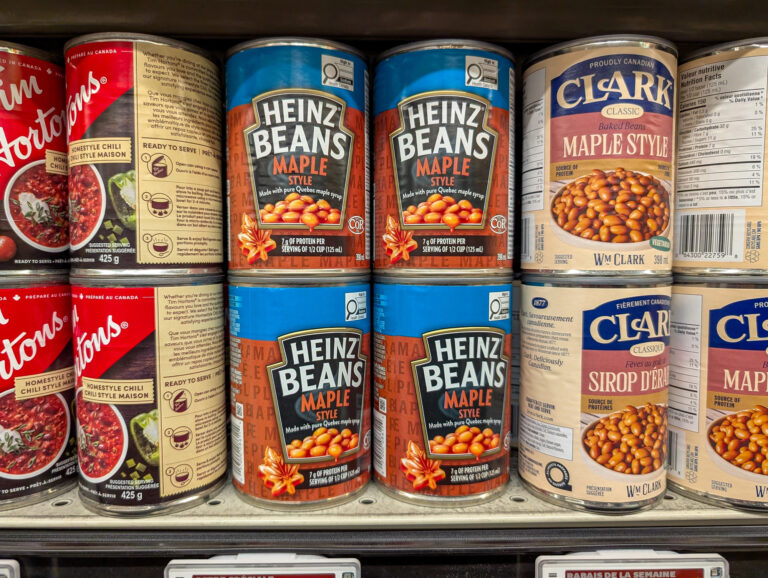
If canned beans are unusually cheap, buy several. If pasta is at its regular price but canned tomatoes are marked down, put the money toward tomatoes and wait for a better pasta sale.
Combine Sales With Coupons and Cash Back
Coupons, store rewards, and cash-back offers can stretch a $10 budget a little further. They’re particularly useful when they overlap with something already on your stockpile list.
The goal isn’t to buy something simply because there’s a coupon for it. A discount only saves money when it’s for food your household will actually eat.
Start With Inexpensive Shelf-Stable Foods
Rice, dried beans, pasta, oats and canned foods can give you plenty of options without using the entire weekly budget on one item. Start with foods that last reasonably well and can become part of several different meals.
You don’t need six months of rice before moving on to something else. Slowly build a variety so your stockpile contains ingredients you can actually turn into meals.
Give Store Brands a Chance
When you’re working with only $10, even a difference of 50 cents or $1 can mean the difference between bringing home one extra item. Compare store brands with the name brands you normally buy instead of automatically reaching for the familiar label.
For basic pantry foods such as canned vegetables, beans, pasta, oats, and flour, the less expensive option can leave more of that week’s $10 available for something else.
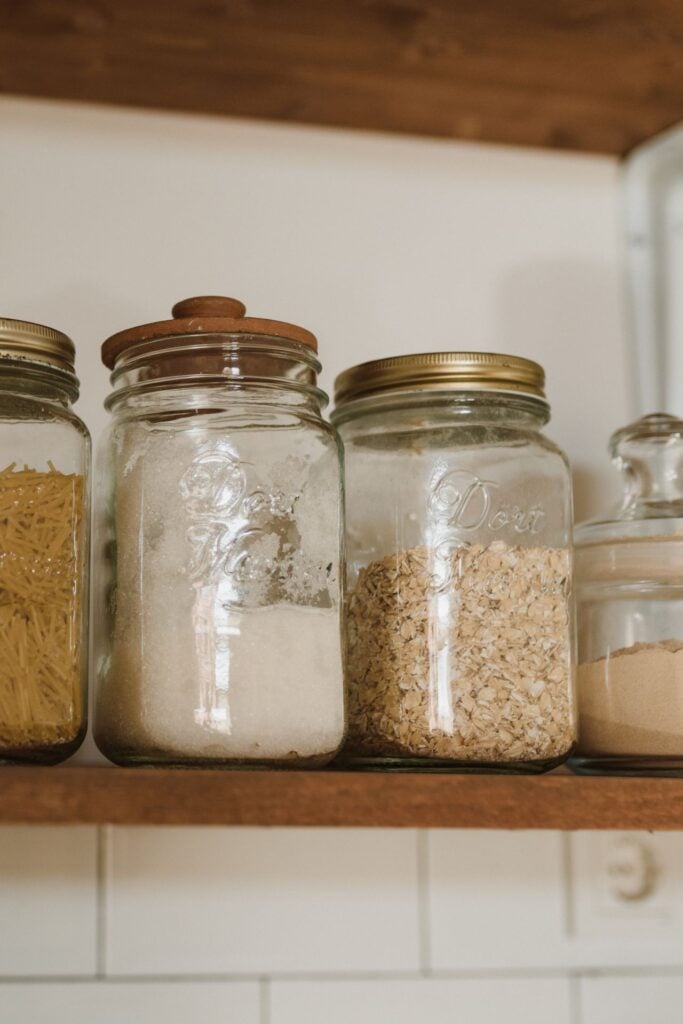
Build Around Foods You Already Eat
A stockpile isn’t particularly useful if it’s filled with foods nobody in the house wants. Start with the shelf-stable versions of ingredients that already appear regularly in your meals.
If your family eats pasta every week, extra pasta and sauce make sense. If nobody eats canned peas, a great sale on 12 cans of peas still isn’t a particularly useful investment.
Check Discount Grocers Before Paying Full Price
Aldi, discount grocery stores, salvage grocers, and other lower-cost retailers can be worth checking for pantry basics. Prices vary by location and product, so compare rather than assuming one store will always be cheapest.
Your $10 might buy four items at one store and six at another. When the budget is this small, those little price differences matter.
Looking for Cheap Groceries? 13 Best Grocery Stores for Budget Shoppers
Look for Seasonal Deals From Local Growers
Farm stands, farmers’ markets, and local growers can sometimes be useful when produce is abundant and prices drop toward the end of the season. Buying larger quantities only makes sense, however, if you have a plan to preserve or use the food before it spoils.
If you garden yourself, preserving some of your own harvest can also gradually add food to the pantry without requiring another full grocery purchase.
Add Shelf-Stable Protein
It’s easy to end up with a stockpile full of carbohydrates because foods such as rice and pasta are inexpensive. Make room in the weekly rotation for protein sources your household eats, such as dried or canned beans, lentils, peanut butter, canned fish or canned meats.
You don’t need to buy them all in the same week. Use one week’s $10 to fill a protein gap, then move on to another category the following week.
Canned Meats With a Long Shelf Life to Stock in an Emergency Pantry
Choose Ingredients That Can Make Several Meals
A $10 stockpile budget goes further when you aren’t buying foods with only one purpose. Oats, rice, beans, pasta, canned tomatoes and similar basics can work across multiple breakfasts, lunches and dinners.
Think in terms of ingredients rather than simply accumulating cans and boxes. A useful stockpile should give you enough variety to put together actual meals.
23 Overnight Oats Recipes Packed With Flavor
Don’t Forget Water
Food isn’t the only thing worth setting aside gradually. If you’re building the stockpile partly for emergencies, safe drinking water deserves space in the plan too.
You don’t necessarily have to spend the entire $10 on water at once. Add to your emergency water supply gradually and follow current recommendations for safe containers, storage and replacement.
Use a Stockpile List to Fill the Gaps
Once you have a few weeks of purchases on the shelf, take inventory before buying more. You may discover you have plenty of pasta but very little protein, canned vegetables or breakfast food.
A simple list prevents you from repeatedly buying whatever happens to be cheapest. Each week’s $10 can then go toward whichever category is running low.
Rotate Instead of Storing and Forgetting
A frugal stockpile should save food, not create waste. Put newer purchases behind older ones, and regularly use the foods at the front as part of your normal meals.
Then replace what you’ve eaten when the price is right. This creates a rotating pantry rather than a collection of food that sits untouched until it’s past its best quality.
Protect What You’ve Already Bought
There’s little benefit in spending months building a stockpile only to lose food to moisture, pests or damaged packaging. Store food in a cool, dry area and use suitable, food-safe containers when you need extra protection.
For foods intended for longer-term storage, research the proper storage method for that particular food rather than assuming everything belongs in the same type of container.