It’s funny how quickly everyday items can fall out of use. Things that once sat in nearly every home now show up in thrift stores, antique shops, or boxes tucked away in a closet.
VHS tapes, cassette players, and pagers show how changing technology can leave familiar objects behind. Plenty of other household items are still around, but people use them less often than they once did.
Some older items are worth keeping for sentimental reasons, while certain models may interest collectors depending on their condition and demand. Before clearing out your storage space, check out these 15 things you might be glad you kept.
Landline Phones
Many households have dropped traditional landlines for mobile phones, leaving old home phones sitting unused in drawers or garages. Vintage rotary phones and unusual designs may appeal to collectors, though their resale value depends on the model and condition.
Related: 4 Things Aldi Cashiers Wish Every Shopper Would Stop Doing
DVDs, Blu-rays, and CDs
Streaming services have changed how many people watch movies and listen to music, so shelves full of discs are less common than they used to be. Special editions, out-of-print releases, and hard-to-find albums can still interest collectors, while ordinary discs may be worth keeping if you enjoy owning your favorites.
Related: 12 Things You Should Never Do at a Gas Station
Cash, Coins, and Physical Wallets
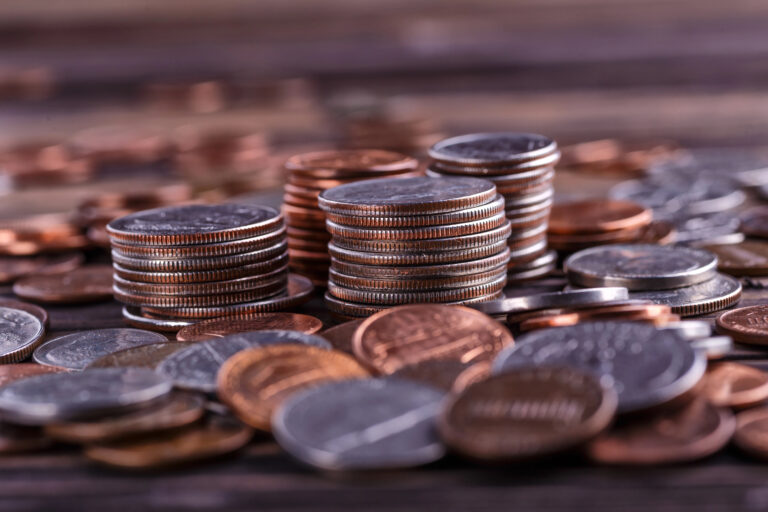
Mobile payment apps and contactless cards make it easier to shop without carrying much cash, but bills and coins still work well in many situations. Collectors may be interested in older coins, unusual designs, and certain discontinued currencies, while a well-made traditional wallet can last for years.
Related: 10 Things Plumbers Wish You’d Stop Pouring Down the Drain
Alarm Clocks
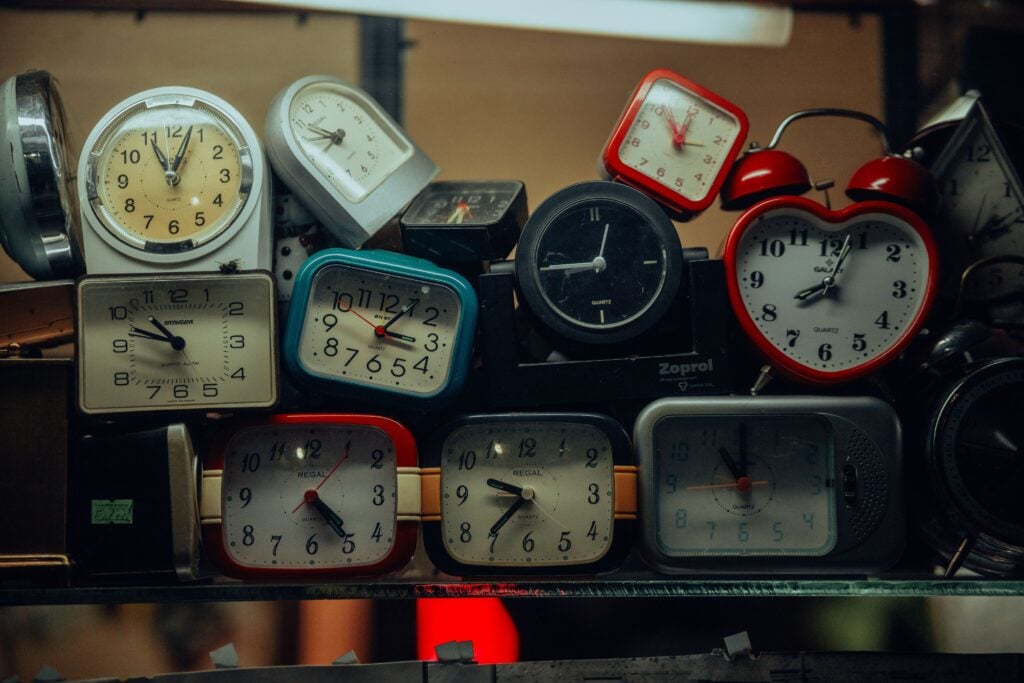
Many people now use their phones to wake up, leaving traditional bedside alarm clocks less common in some homes. Mechanical wind-up clocks and older models can appeal to collectors, and a simple battery-powered clock is still handy if you prefer to keep your phone out of bed.
Related: If You Struggle to Throw Things Away, Try Asking Yourself This
Fax Machines
Fax machines were once common in offices, medical practices, and even some homes, but email and digital document services have taken over many of their former tasks. Some workplaces still use them, and older machines can be interesting reminders of how people handled paperwork before digital files became commonplace.
Standalone GPS Devices
Dedicated GPS units were once common in cars and especially useful for road trips. Phone navigation apps now handle many of those tasks, though some drivers still prefer standalone devices for their dedicated screens and features.
Printed Newspapers
Printed newspapers once played a daily role in many households, but online news and digital subscriptions have changed reading habits. Local papers and special editions remain available, and some older newspapers may interest collectors for their coverage of historic events or their connection to a particular place.
Paper Maps
Before navigation apps became common, drivers often kept road maps and atlases in their cars for long trips. Older maps can be worth saving for their historical details, regional artwork, or personal memories, though their usefulness for current travel depends on how much the roads have changed.
Printed Photos
Most people take pictures on their phones and leave them stored on a device or online, so printing photographs is less common than it once was. Old prints can be especially meaningful because they preserve family moments, faces, and places that may no longer exist in the same form.
Desktop Computers
Laptops and tablets are convenient for people who need to work on the go, while desktop computers remain common for gaming, office work, and other tasks. Older models may interest computer collectors, especially when they’re well preserved or represent an important stage in personal computing history.
MP3 Players
Dedicated music players, such as early iPods, changed how people carried and listened to music before smartphones became the main device for everything. Working models may appeal to tech collectors or people who prefer a dedicated music player, especially when the device is in good condition.
Point-and-Shoot Digital Cameras
Phone cameras have replaced many compact digital cameras for everyday snapshots, leaving older models less common in bags and drawers. Some photography fans still enjoy using them for their look, controls, or limitations, and certain models may attract buyers who appreciate their particular image quality.
Physical Cookbooks
Online recipes and cooking videos make it easy to find meal ideas without buying a cookbook, so some kitchens have fewer printed recipe books than before. Older cookbooks, first editions, and family collections can be worth keeping for their recipes, personal notes, and connection to how people cooked in the past.
DVD and CD Players
As more people stream movies and music, fewer households rely on dedicated disc players. A working player can still be useful for anyone with a physical collection, and well-built audio equipment may interest people who prefer listening to CDs.
Physical Photo Albums
Digital galleries have made it easy to store thousands of pictures without filling shelves with albums. Printed albums are still worth keeping because they bring family photos together in a format that’s easy to share, revisit, and pass on to future generations.
Other Posts You Might Like
- 20 Collectibles in Your Parents’ House That Could Be Worth a Fortune
- 13 Random Items in Your Home That Could Be Worth Thousands
- From Oil Lamps to Porcelain Pigs, These Are the Strangest Things People Collect
- 13 Garage Sale Items That Collectors Actively Look For (and Pay Well For)
- 17 Everyday Items in Your Kitchen That Are Secretly Valuable