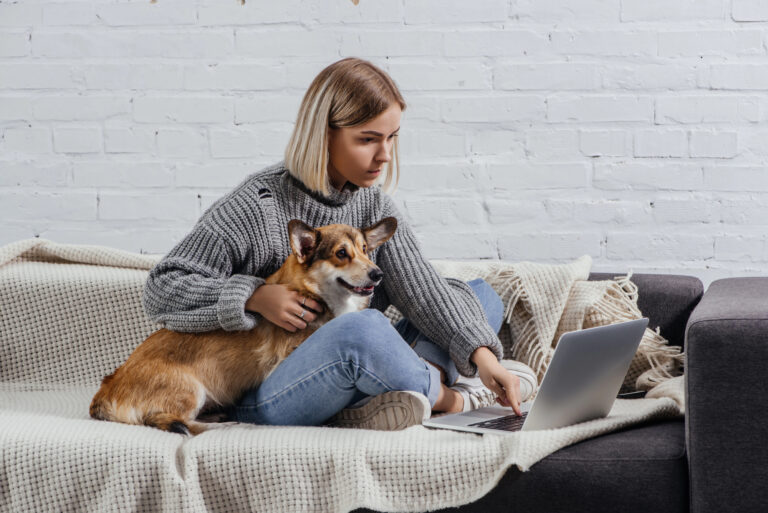
Dogs can be incredibly affectionate, loyal, and patient with their people. Still, loving you doesn’t mean they enjoy everything you do. Some everyday human habits can make dogs uncomfortable, stressed, or downright annoyed.
The tricky part is that dogs can’t tell us, “Please stop.” Instead, they communicate through body language. Turning away, licking their lips, hiding, stiffening up, or trying to move away can all be signs that a dog isn’t enjoying an interaction.
Some behaviors are easy to overlook because humans see them as harmless or affectionate. Here are 18 things people do that many dogs would happily skip.

1. Ignoring Their Personal Space
Dogs need personal space just like people do. Getting too close, leaning over them, or repeatedly putting your face right next to theirs can make a dog feel trapped.
A dog may tolerate it because they trust you, but tolerance isn’t the same as enjoyment. Pay attention to whether your dog comes toward you for attention or tries to move away. Giving them room when they ask for it can build a much stronger bond.
2. Yelling Around Them
Dogs are very sensitive to the way people speak. Loud voices, shouting, arguments, and sudden bursts of noise can make them nervous, even when the yelling isn’t directed at them.
A calm voice is usually much easier for a dog to respond to. If your dog starts hiding, pacing, trembling, or keeping their distance after someone raises their voice, that behavior is telling you something.
3. Wearing Strong Perfumes or Sprays
A dog experiences the world largely through its nose. A perfume or air freshener that seems mild to you can be incredibly strong to them.
Heavy fragrances, hairspray, scented cleaners, and air fresheners can overwhelm some dogs. If your dog regularly leaves the room after you spray something, consider using less fragrance or giving them a place where they can get away from the smell.
4. Leaving Them Alone for Too Long
Some dogs are perfectly happy to nap while you’re gone. Others struggle with long stretches of alone time, especially if they’re used to having people around.
Too much time alone can lead to boredom, anxiety, barking, destructive chewing, or other unwanted behaviors. Dogs need interaction, exercise, play, and mental stimulation. How much they need varies by age, breed, personality, and health.
Related: 12 Longest Living Dog Breeds That Make Loyal Companions
5. Constantly Changing Their Routine
Dogs tend to feel more comfortable when their days have some predictability. Moving mealtimes around, skipping regular walks, changing bedtime, or suddenly changing the household schedule can leave some dogs unsettled.
Life obviously gets busy, and routines won’t always stay the same. Still, keeping meals, walks, rest, and other daily activities fairly consistent can help dogs feel more secure.
6. Forcing Them to Interact With People or Other Dogs
Not every dog wants to greet every stranger or play with every dog they meet. Some are naturally social, while others prefer a little more distance.
Dragging a reluctant dog toward another animal or insisting they say hello can make an already uncomfortable situation worse. Give your dog the option to step away when they need to. A dog that feels safe is more likely to relax around new people and animals.
7. Rushing Them on Walks
A walk isn’t just a chance for your dog to burn off energy. Sniffing is a major part of how dogs gather information about their surroundings.
Constantly pulling them away from every interesting smell can make the walk less enjoyable. Of course, there are times when you need to keep moving, especially near traffic or other hazards. But giving your dog time to sniff along a safe route can make an ordinary walk much more satisfying.
8. Dressing Them in Uncomfortable Outfits
Some dogs are perfectly happy wearing a sweater on a cold day. Others seem personally offended by anything that goes over their head.
Costumes, tight clothing, hats, shoes, and accessories can restrict movement or make a dog uncomfortable. Watch how your dog behaves after putting something on them. If they freeze, scratch at it, repeatedly try to remove it, or refuse to move, the outfit probably isn’t worth it.
9. Blowing in Their Face
Blowing into a dog’s face may seem like a silly game, but many dogs don’t find it funny. A sudden blast of air can be startling, especially when it comes from very close to their eyes and nose.
Some dogs will turn their heads, lick their lips, back away, or show other signs that they want the interaction to stop. There are plenty of other ways to play with your dog that they’re much more likely to enjoy.
10. Waking Them Up Suddenly
Nobody likes being startled awake, and dogs are no different. A sleeping dog can be disoriented for a few moments after waking, and a sudden touch can cause an instinctive reaction.
This is particularly important with older dogs, dogs with hearing or vision problems, and dogs that sleep deeply. If you need to wake your dog, give them a moment and approach calmly rather than poking or grabbing them.
Related: 14 Dogs That Are Adorably Awkward (and Impossible Not to Love)
11. Hugging Them Too Tightly
People usually see hugs as a loving gesture. Dogs don’t necessarily see them the same way. Being held tightly can make some dogs feel restrained, especially if they can’t move away.
Pay attention to your dog’s reaction. A stiff body, turned head, lip licking, pinned ears, or an attempt to escape can mean they’re uncomfortable. Gentle petting is often a better choice.
12. Sending Mixed Signals During Training
Dogs learn through repetition, so inconsistent commands can leave them confused. If “down,” “off,” and “no” are used interchangeably, your dog may have trouble figuring out what you’re asking.
The same goes for body language. If a behavior is allowed one day and punished the next, your dog has little way of knowing what you expect.
Using clear, consistent cues makes training easier for both of you.
13. Touching Their Paws Too Much
A dog’s paws are sensitive, and many dogs dislike having their feet handled. This can become a problem during nail trims if they haven’t gotten used to having their paws touched.
Rather than grabbing a paw out of nowhere, introduce handling slowly. Touch the paw briefly, reward calm behavior, and gradually work up to longer handling. Patience can make grooming much less stressful.
14. Keeping the Leash Too Tight
A constantly tight leash can make walks uncomfortable for both the dog and the person holding it. Some dogs also become more tense or reactive when they constantly feel pressure around their collar or harness.
Teaching loose-leash walking takes time, but it can make outings much calmer. Your dog gets more freedom to move and sniff while you maintain control of the walk.
Related: How To Make Your Airbnb Pet Friendly: The Pros And Cons
15. Forcing Them Into Scary Situations
Dragging a frightened dog toward something that scares them usually isn’t a good way to make the fear disappear. A dog that is already overwhelmed may become even more frightened if they can’t escape.
Instead, give them distance and let them experience the situation gradually. Treats, patience, and calm exposure can help some dogs build confidence without making the experience overwhelming.
16. Being Constantly Stressed or Angry
Dogs often pick up on changes in human behavior. If the household is tense, noisy, or unpredictable all the time, some dogs become anxious right along with everyone else.
You don’t have to be cheerful every minute of the day. Everyone has bad days. But giving your dog a calm place to rest and keeping your interactions gentle can help them feel more secure when life gets stressful.
17. Teasing Them for Entertainment
Pretending to throw a ball, repeatedly pulling a treat away, chasing a dog around the house, or deliberately annoying them might get a laugh from people, but it can be frustrating for the dog.
Dogs don’t always know that you’re joking. Repeated teasing can make them wary of your hands or less willing to trust you during play.
Play should be something both sides enjoy. If your dog keeps trying to leave, hides, or stops participating, it’s time to end the game.
18. Surrendering or Abandoning Them
For a dog, losing the person and home they know can be deeply distressing. Dogs form strong bonds with their families, and suddenly being placed in a shelter or unfamiliar environment can be frightening.
Bringing a dog home is a long-term commitment. There will be expensive vet visits, damaged shoes, training challenges, messy floors, and plenty of days when things don’t go according to plan. Giving a dog up should never be treated as a casual decision.
If you’re struggling to care for a pet, reaching out to a veterinarian, trainer, rescue group, or trusted person may help you find a safer solution. Dogs depend on their people, and treating that responsibility seriously is one of the kindest things an owner can do.